
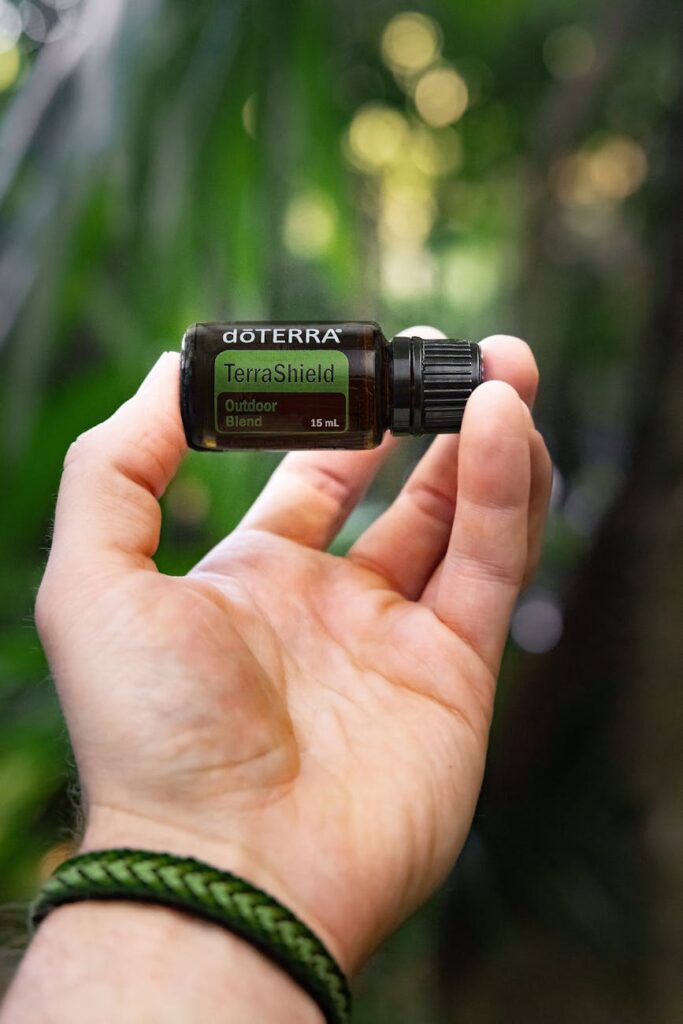
Complete Guide to Respiratory Blends Part 11
Introduction
Respiratory blends are a category of essential oil combinations designed to support respiratory health and promote easier breathing. With the growing interest in natural remedies and holistic approaches, these blends have gained popularity among aromatherapy enthusiasts and practitioners alike. This guide will provide a comprehensive overview of respiratory blends, including their benefits, common applications, and safety considerations.
What Is Respiratory Blends?
Respiratory blends are mixtures of essential oils specifically formulated to assist with respiratory issues. These issues can range from seasonal allergies and colds to chronic conditions such as asthma and bronchitis. The essential oils in these blends may possess properties that help to clear airways, reduce inflammation, and promote relaxation. Commonly included essential oils in respiratory blends include eucalyptus, peppermint, tea tree, and lavender, each contributing unique characteristics to the overall effect of the blend.
Key Benefits and Properties
The essential oils in respiratory blends are selected for their various beneficial properties:
1. Expectorant Properties: Oils like eucalyptus and peppermint can help loosen mucus and phlegm, making it easier to breathe.
2. Anti-inflammatory Effects: Certain oils, such as tea tree and lavender, have anti-inflammatory properties that may help soothe irritated airways.
3. Antimicrobial Action: Many essential oils exhibit antimicrobial properties, which can help reduce the risk of infections. For example, tea tree oil is well-known for its ability to combat bacteria and fungi.
4. Calming Effects: Oils like chamomile and lavender can promote relaxation and ease anxiety, which is beneficial for those experiencing respiratory distress.
5. Decongestant Qualities: Peppermint and eucalyptus are commonly recognized for their decongestant effects, helping to open up nasal passages and promote easier breathing.
Common Uses
Respiratory blends can be used in various ways to enhance respiratory health and wellness. Here are some common applications:
1. Diffusion: Adding a few drops of a respiratory blend to a diffuser can help purify the air and create a calming atmosphere.
2. Inhalation: Inhaling the aroma directly from the bottle or using a personal inhaler can provide immediate relief for congested airways.
3. Topical Application: Diluted blends can be applied to the chest, back, or wrists for localized benefits. This method allows the essential oils to absorb into the skin and provide targeted relief.
4. Steam Inhalation: Adding a few drops of a respiratory blend to a bowl of hot water and inhaling the steam can help clear sinuses and relieve congestion.
5. Baths: Incorporating respiratory blends into a warm bath can provide a soothing experience, promoting relaxation and easing respiratory discomfort.
Aromatherapy Applications
Aromatherapy is the practice of using essential oils to improve physical and emotional well-being. Respiratory blends play a significant role in this practice, particularly for those seeking relief from respiratory discomfort. Here are some common aromatherapy applications:
1. Relaxation and Stress Relief: Using respiratory blends in a diffuser during meditation or yoga can promote a sense of calm and help individuals breathe more easily.
2. Seasonal Support: During allergy season, inhaling respiratory blends may help alleviate symptoms related to pollen and other allergens.
3. Support During Illness: When experiencing colds or flu-like symptoms, respiratory blends can provide comfort and support, helping to ease breathing and promote restful sleep.
4. Enhancing Air Quality: Diffusing respiratory blends can help purify the air in living spaces, contributing to a healthier indoor environment.
5. Pre-Workout Preparation: Inhaling a respiratory blend before physical activity can help open airways, enhancing breathing and performance.
Safety Considerations
While respiratory blends can be beneficial, it is essential to use them safely. Here are some important safety considerations:
1. Dilution: Always dilute essential oils before applying them to the skin. A common dilution ratio is 2-3 drops of essential oil per teaspoon of carrier oil.
2. Patch Test: Conduct a patch test on a small area of skin to check for any adverse reactions before using a new blend.
3. Avoid Sensitive Areas: Keep essential oils away from sensitive areas, such as the eyes and mucous membranes.
4. Pregnancy and Nursing: Pregnant or nursing individuals should consult with a healthcare professional before using essential oils.
5. Children and Pets: Some essential oils may not be suitable for young children or pets. Always research specific oils and consult guidelines regarding their use in these contexts.
6. Pre-existing Conditions: Individuals with respiratory conditions or allergies should consult with a healthcare provider before using essential oils.
Storage and Shelf Life
Proper storage of essential oils is crucial to maintain their potency and effectiveness. Here are some guidelines for storing respiratory blends:
1. Dark Glass Bottles: Store essential oils in dark glass bottles to protect them from light, which can degrade their quality.
2. Cool Environment: Keep essential oils in a cool, dry place away from direct sunlight and heat sources.
3. Tightly Sealed: Ensure that bottles are tightly sealed to prevent evaporation and contamination.
4. Shelf Life: The shelf life of essential oils varies depending on the type. Generally, citrus oils may last 1-2 years, while more stable oils like sandalwood and patchouli can last up to 5 years or more. Regularly check for any changes in color or scent, which may indicate that the oil has gone bad.
Frequently Asked Questions
1. Can respiratory blends replace my medication?
Respiratory blends are not intended to replace prescribed medications for respiratory conditions. Always consult with a healthcare professional for medical advice regarding treatment plans.
2. How do I choose the right respiratory blend for my needs?
Consider your specific symptoms and preferences. Look for blends that contain oils known for their benefits related to your concerns, and always read the ingredient list.
3. Can I use respiratory blends daily?
Many individuals use respiratory blends regularly, but it is essential to monitor your body’s response. If you experience any adverse reactions, discontinue use and consult a healthcare provider.
4. Are there any essential oils I should avoid in respiratory blends?
Some oils may be irritating or unsuitable for certain individuals. Always perform a patch test and consult safety guidelines if you have specific health concerns.
5. Where can I purchase high-quality respiratory blends?
Look for reputable suppliers that provide high-quality, pure essential oils. Reading reviews and checking for third-party testing can also help ensure the quality of the products you choose.
Conclusion
Respiratory blends offer a holistic approach to supporting respiratory health through the use of essential oils. With a variety of applications and benefits, these blends can enhance well-being and promote easier breathing. By understanding their properties, common uses, and safety considerations, individuals can confidently incorporate respiratory blends into their wellness routines. Always prioritize safety and consult with professionals when necessary to make informed choices regarding essential oils and aromatherapy.