
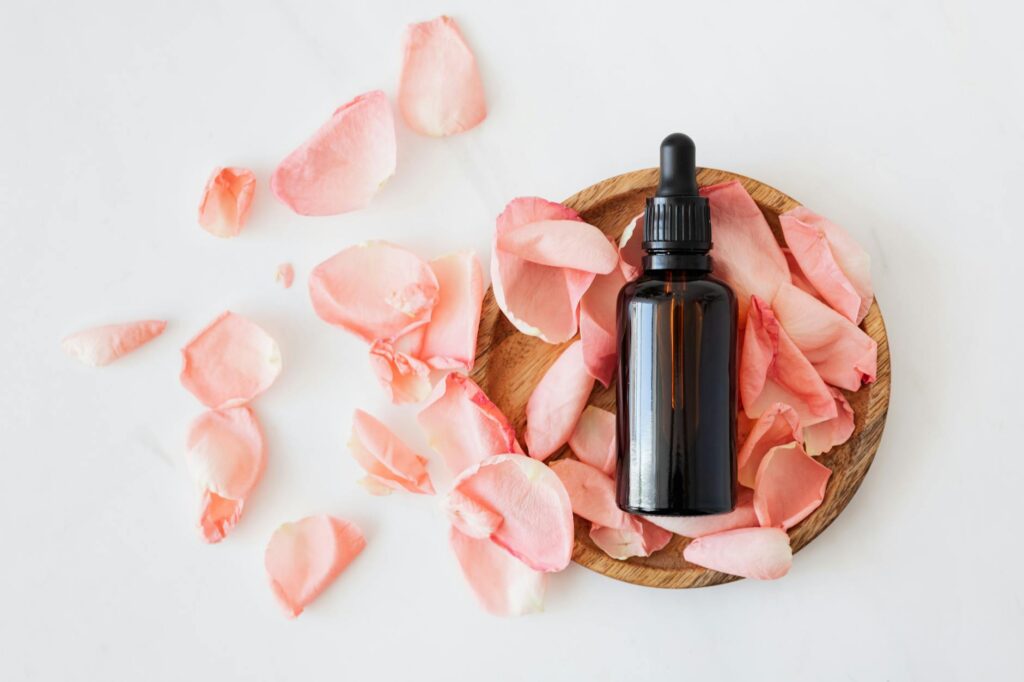
Complete Guide to Rose Essential Oil
Introduction
Rose essential oil, derived from the petals of the Rosa damascena (Damask rose) and other rose species, is one of the most cherished and widely used essential oils in the world. Known for its exquisite fragrance, rose oil has been utilized for centuries in various cultures for its aromatic, therapeutic, and cosmetic properties. This article serves as a comprehensive guide to understanding rose essential oil, its benefits, common uses, and key considerations for safe and effective use.
What Is Rose Essential Oil?
Rose essential oil is extracted from the petals of the rose flower through methods such as steam distillation or solvent extraction. The steam distillation process is the most common, producing a highly concentrated oil that captures the delicate scent and beneficial properties of the rose flower.
Rose essential oil can vary in quality, with factors such as the species of rose, the extraction method, and the geographical origin influencing its characteristics. Rosa damascena is often viewed as the highest quality rose oil, prized for its rich, floral aroma and therapeutic benefits.
Key Benefits and Properties
Rose essential oil is renowned for its diverse range of properties and potential benefits:
1. Emotional Well-being: The aroma of rose essential oil is believed to have mood-enhancing properties. It may help alleviate feelings of anxiety, stress, and depression.
2. Skin Health: Rose oil is often included in skincare products due to its anti-inflammatory and hydrating properties. It can help soothe irritated skin, reduce redness, and promote an even skin tone.
3. Antimicrobial Properties: Preliminary studies suggest that rose essential oil may possess antimicrobial properties, making it a potential candidate for natural disinfectants.
4. Hormonal Balance: Some sources suggest that rose oil may help with hormonal balance, particularly in women, though more research is needed in this area.
5. Aphrodisiac Qualities: The romantic scent of rose essential oil has long been associated with enhancing love and intimacy.
Common Uses
Rose essential oil is versatile and can be used in various applications:
1. Aromatherapy: Commonly used in diffusers, inhalers, and personal inhalers, rose essential oil can create a calming atmosphere.
2. Skincare: Often found in moisturizers, serums, and facial oils, rose oil can help improve skin texture and tone.
3. Massage: When diluted with a carrier oil, rose essential oil can be used in massage to promote relaxation and relieve tension.
4. Baths: Added to bathwater, rose oil can enhance the bathing experience, providing both aromatic and skin benefits.
5. Perfumes: Due to its exquisite scent, rose essential oil is frequently utilized in high-quality perfumes.
Aromatherapy Applications
In aromatherapy, rose essential oil can be employed in various ways to support emotional and physical well-being:
1. Diffusion: Using a diffuser, a few drops of rose essential oil can be blended with other complementary oils, such as lavender or bergamot, to create a calming atmosphere.
2. Inhalation: Direct inhalation of rose oil from the bottle or on a cotton ball can provide immediate emotional relief and elevate mood.
3. Topical Application: When diluted with a carrier oil (such as jojoba or sweet almond oil), rose essential oil can be applied to pulse points, such as the wrists or behind the ears, for a more personal aromatic experience.
4. Meditation and Mindfulness: Incorporating rose essential oil into meditation practices can enhance relaxation and focus, helping to create a peaceful environment.
Safety Considerations
While rose essential oil is generally regarded as safe when used appropriately, there are several safety considerations to keep in mind:
1. Dilution: Always dilute rose essential oil with a carrier oil before applying it to the skin. A typical dilution ratio is 1-2% for topical use.
2. Allergies: Conduct a patch test before using rose essential oil to check for possible allergic reactions, especially for those with sensitive skin.
3. Pregnancy and Nursing: Pregnant or nursing individuals should consult with a healthcare professional before using rose essential oil.
4. Children: Due to its potency, rose essential oil should be used cautiously around children. Always seek guidance from a qualified professional for appropriate usage.
5. Quality: Ensure you are using high-quality, pure rose essential oil to avoid potential irritation or adverse effects from synthetic additives.
Storage and Shelf Life
Proper storage is essential to maintain the integrity and efficacy of rose essential oil. Here are some guidelines for optimal storage:
1. Container: Store rose essential oil in a dark glass bottle to protect it from light. Amber or cobalt blue bottles are ideal choices.
2. Temperature: Keep the oil in a cool, dry place away from direct sunlight and heat sources.
3. Shelf Life: When stored correctly, rose essential oil typically has a shelf life of 2 to 3 years. However, it’s advisable to check for any changes in aroma or consistency over time.
Frequently Asked Questions
1. What is the difference between rose oil and rose essential oil?
Rose oil can refer to either essential oil or a fragrant oil made from synthetic ingredients or diluted with carrier oils. Always check the label to ensure you are getting pure essential oil.
2. Can rose essential oil be used for cooking or ingestion?
Rose essential oil is not typically recommended for culinary use or ingestion unless specifically labeled as food-grade and appropriate for consumption. Always consult with a qualified professional before considering this use.
3. What are the best ways to incorporate rose essential oil into my daily routine?
You can incorporate rose essential oil into your routine through diffusion, topical application (diluted), adding it to your bath, or using it in skincare products.
4. How can I tell if my rose essential oil is pure?
Check for quality indicators such as the scientific name on the label, country of origin, and whether it is labeled as 100% pure essential oil. A reputable supplier should provide detailed information about their sourcing and testing methods.
5. Is rose essential oil suitable for all skin types?
Rose essential oil is generally well-tolerated, but those with sensitive or allergic skin should conduct a patch test before full application. People with specific skin conditions should consult with a qualified professional.
Conclusion
Rose essential oil is a treasured substance with a rich history and a multitude of benefits. From its enchanting aroma to its potential therapeutic properties, it has earned its place as a staple in aromatherapy and skincare. By understanding its uses, benefits, and safety considerations, individuals can appreciate this beautiful oil and harness its potential in their daily lives. Always remember to prioritize quality and safety when selecting essential oils, ensuring a rewarding experience with this fragrant treasure.