
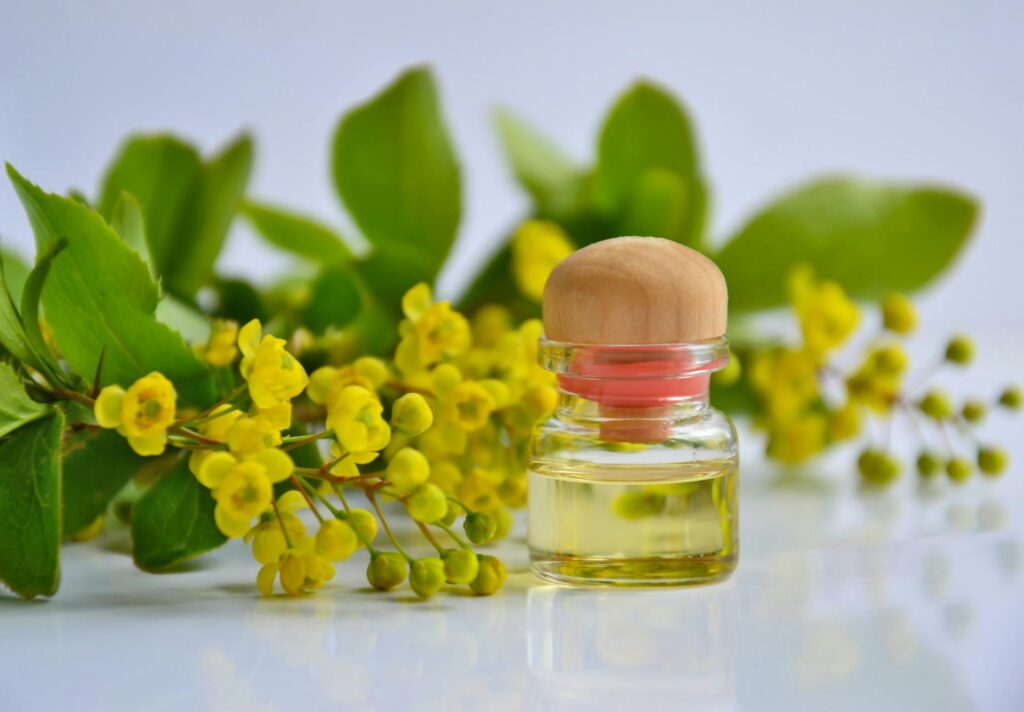
Complete Guide to Rose Hydrosols
Introduction
Rose hydrosols, often referred to as rose water, are a fragrant byproduct of the steam distillation process used to extract essential oil from rose petals. Renowned for their delightful aroma and diverse benefits, rose hydrosols have been a part of human culture for centuries, finding application in beauty, wellness, and culinary arts. This guide aims to provide a comprehensive overview of rose hydrosols, exploring their properties, uses, and more.
What Is Rose Hydrosols?
Rose hydrosols are aqueous solutions containing the essential oils and other compounds extracted during the distillation of rose petals. When steam passes through the plant material, volatile compounds are released, and upon cooling, this steam condenses into two distinct layers: the essential oil and the hydrosol. While rose essential oil is highly concentrated, rose hydrosol retains a gentler profile, making it suitable for a variety of applications.
Hydrosols are often described as having a milder aroma and therapeutic properties compared to their essential oil counterparts. They are considered to be more user-friendly, especially for individuals who may be sensitive to the potency of essential oils.
Key Benefits and Properties
The benefits of rose hydrosols stem from their unique composition, which includes various aromatic compounds, phenols, and flavonoids. Some key properties include:
1. Hydrating and Soothing: Rose hydrosol is known for its hydrating properties, making it an excellent choice for dry or sensitive skin. Its soothing qualities can help calm irritation and redness.
2. Antioxidant Rich: The presence of antioxidants in rose hydrosol aids in combating oxidative stress, contributing to overall skin health.
3. Mood Enhancer: The aroma of rose is often associated with emotional well-being. Inhalation of rose hydrosol may promote relaxation and reduce feelings of stress and anxiety.
4. Anti-Inflammatory: Some studies suggest that the anti-inflammatory properties of rose hydrosol may help alleviate minor skin irritations.
5. Astringent Qualities: Rose hydrosol may help tighten the skin and minimize the appearance of pores, contributing to a refined complexion.
Common Uses
Rose hydrosols can be used in various ways, making it a versatile addition to your collection of natural products. Some common uses include:
1. Facial Toner: Rose hydrosol is often used as a natural facial toner. It can refresh and hydrate the skin, preparing it for further skincare products.
2. Body Mist: A delightful body mist can be created by diluting rose hydrosol with water, providing a refreshing scent and hydration throughout the day.
3. Hair Care: It can be used as a hair rinse to enhance shine and softness or as a scalp treatment to soothe irritation.
4. Culinary Uses: In some cultures, rose hydrosol is used to flavor beverages, desserts, and dishes, adding a floral note to culinary creations.
5. In Bathing: Adding rose hydrosol to bath water can create a luxurious and aromatic bathing experience, aiding in relaxation.
6. Crafting Natural Products: It serves as an excellent ingredient in homemade lotions, creams, and other skincare products.
Aromatherapy Applications
In aromatherapy, rose hydrosol is valued for its gentle properties. It can be used in several ways:
1. Mist for Relaxation: Spray rose hydrosol in your environment or on pillows and linens to create a calming atmosphere, particularly during meditation or yoga sessions.
2. Emotional Support: Inhale the scent directly from the bottle or diffuse it in a room to help uplift mood or ease emotional distress.
3. Blending with Other Oils: Rose hydrosol can complement other essential oils in blends, enhancing their aroma and therapeutic properties. It can be blended with oils like lavender or chamomile for a soothing effect.
4. Massage: Mixed with a carrier oil, rose hydrosol can be used in massage, providing both a pleasant scent and skin benefits.
Safety Considerations
While rose hydrosols are generally safe for most individuals, some considerations should be kept in mind:
1. Allergies: Conduct a patch test before using rose hydrosol on the skin, especially for those with sensitive skin or known allergies to roses.
2. Pregnancy and Nursing: Although rose hydrosol is considered safe for most individuals, pregnant or nursing women should consult with a healthcare professional before use.
3. Storage: Ensure that rose hydrosol is stored in a cool, dark place to maintain its quality. Avoid exposure to direct sunlight and high temperatures.
4. Consulting Professionals: If you have specific health concerns or are considering using rose hydrosol for therapeutic purposes, consult with a qualified aromatherapist or healthcare professional.
Storage and Shelf Life
Proper storage is crucial for maintaining the quality of rose hydrosol. Here are some guidelines:
1. Containers: Store rose hydrosol in dark glass bottles to protect it from light degradation. If possible, use amber or cobalt blue containers.
2. Temperature: Keep the hydrosol in a cool environment, ideally below 20°C (68°F), to prolong its shelf life.
3. Shelf Life: Rose hydrosols typically have a shelf life of 6 months to 1 year, depending on storage conditions and the presence of preservatives. Always check for any changes in smell or appearance before use.
Frequently Asked Questions
1. Is rose hydrosol the same as rose water?
Yes, rose hydrosol is often referred to as rose water. However, it is important to note that not all rose waters are created equal. Pure rose hydrosol is a natural product derived from the distillation of rose petals, while some commercial rose waters may contain synthetic fragrances or additives.
2. Can rose hydrosol be used on sensitive skin?
Rose hydrosol is generally safe for sensitive skin and can even help soothe irritation. Nevertheless, a patch test is recommended to ensure no allergic reactions occur.
3. How should I use rose hydrosol in my skincare routine?
You can incorporate rose hydrosol as a facial toner after cleansing, as a refreshing mist throughout the day, or as an ingredient in homemade skincare products like creams and masks.
4. Can I drink rose hydrosol?
While some cultures use rose hydrosol for culinary purposes, it is essential to ensure that the product is food-grade and free from additives. Always consult with a knowledgeable source before consuming any hydrosol.
5. How can I incorporate rose hydrosol into my aromatherapy practice?
You can use rose hydrosol in a diffuser, as a body mist, or by blending it with essential oils for massage. Its gentle aroma makes it suitable for various aromatherapy applications.
Conclusion
Rose hydrosols are a versatile and delightful addition to both personal care and holistic practices. Their unique properties and wide range of applications make them a cherished product in the world of aromatherapy and natural wellness. Whether used for skincare, emotional support, or culinary enhancement, rose hydrosols offer a gentle and fragrant experience that reflects the beauty of the rose itself.