
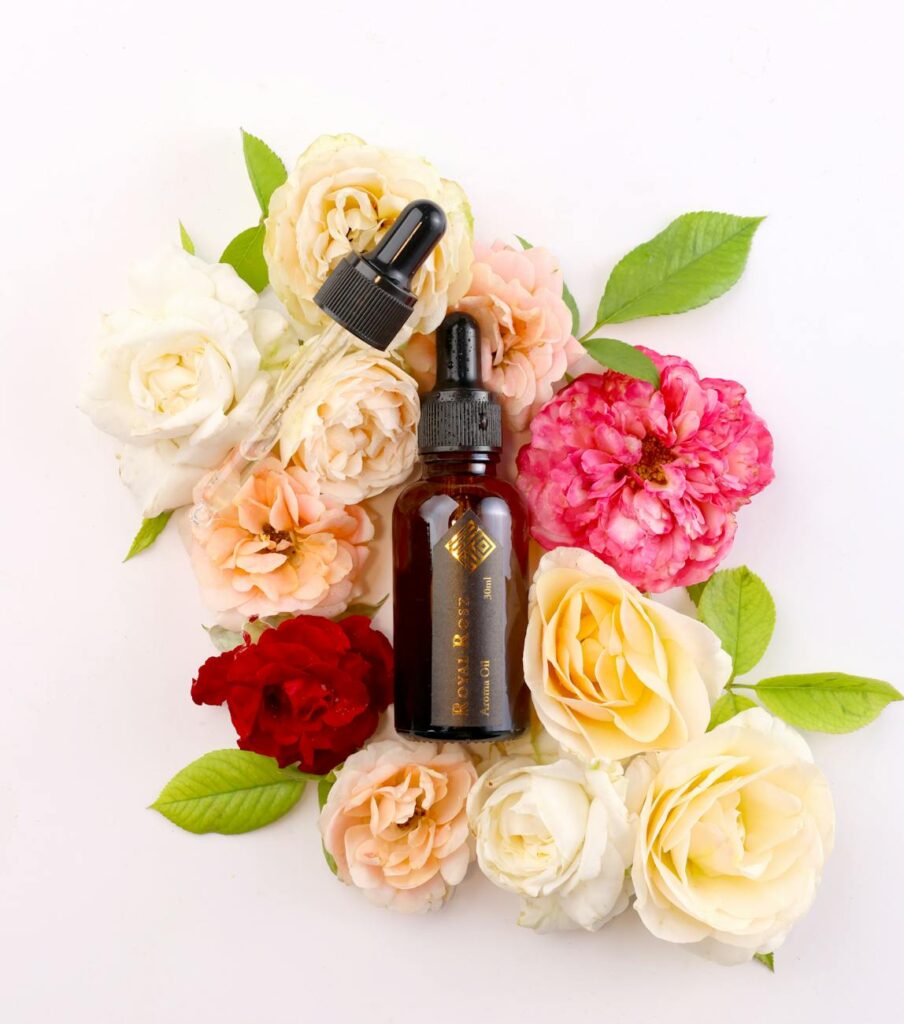
Complete Guide to Rose Oil Part 5
Introduction
Rose oil, known for its exquisite fragrance and myriad benefits, has captivated humanity for centuries. This luxurious essential oil is derived from the petals of various rose species, primarily Rosa damascena and Rosa centifolia. With its rich history in perfumery, cosmetics, and traditional medicine, rose oil has earned a respected place in both aromatherapy and holistic practices. This guide delves into the various aspects of rose oil, exploring its benefits, uses, and safety considerations.
What Is Rose Oil?
Rose oil is an essential oil extracted from the blossoms of the rose plant. The extraction methods primarily include steam distillation and solvent extraction. The steam distillation process involves passing steam through rose petals, capturing the volatile compounds that create the oil’s delightful scent. In contrast, solvent extraction uses a chemical solvent to dissolve the aromatic compounds, resulting in a more concentrated form known as rose absolute.
The two most commonly used types of rose oil are:
- Rose Otto (Rosa damascena): Known for its rich and complex fragrance, rose otto is produced through steam distillation and is considered the highest quality rose oil.
- Rose Absolute (Rosa centifolia): Extracted using a solvent, rose absolute is typically thicker and more viscous, offering a more intense scent profile.
- Skincare: Due to its moisturizing and soothing properties, rose oil is commonly found in creams, serums, and lotions aimed at promoting healthy skin.
- Perfumes: Rose oil’s captivating fragrance is a staple in the perfume industry, often serving as a base note in many floral blends.
- Haircare: The oil is sometimes included in shampoos and conditioners for its nourishing properties, promoting shiny and healthy hair.
- Bath Products: Bath oils and salts infused with rose oil can enhance relaxation and provide a luxurious bathing experience.
- Diffusion: Adding a few drops of rose oil to a diffuser can fill a room with its soothing aroma, creating a calming atmosphere.
- Inhalation: Direct inhalation from the bottle or a cotton ball can offer immediate emotional relief.
- Massage: Diluting rose oil in a carrier oil for massage can enhance relaxation and promote skin health.
- Bathing: Incorporating rose oil into a warm bath can create a serene environment, promoting emotional balance and relaxation.
- Keep it cool: Store rose oil in a cool, dark place away from direct sunlight to prevent degradation of its aromatic compounds.
- Use dark glass bottles: Dark glass containers protect the oil from light exposure, which can cause oxidation.
- Seal tightly: Ensure the bottle is tightly sealed to minimize exposure to air, which can also affect the oil’s quality.
- Shelf life: When stored correctly, rose oil can last for several years. However, it’s best to use it within 1-3 years for optimal efficacy.
Rose oil is often heralded as one of the most expensive essential oils due to the extensive labor and resources required for its production—approximately 60,000 roses are needed to produce just one ounce of rose oil.
Key Benefits and Properties
Rose oil is celebrated for its numerous properties and potential benefits:
1. Emotional Balance: Known for its uplifting and calming effects, rose oil can help alleviate stress and anxiety, promoting a sense of emotional well-being.
2. Anti-inflammatory: Rose oil may possess anti-inflammatory properties that can help soothe irritated skin and reduce redness.
3. Antioxidant-rich: The oil contains antioxidants, which can help protect the skin from environmental damage and oxidative stress.
4. Antimicrobial: Some studies suggest that rose oil may have antimicrobial properties, making it a potential natural remedy for various skin concerns.
5. Hormonal Balance: Rose oil is often associated with hormonal balance, particularly in women, and may aid in easing menstrual discomfort.
While these benefits are widely acknowledged, it’s essential to understand that individual experiences may vary, and scientific research is ongoing in these areas.
Common Uses
The versatility of rose oil lends itself to a variety of applications, including:
Aromatherapy Applications
In aromatherapy, rose oil is often used for its emotional and psychological benefits. Its sweet and floral scent can induce feelings of tranquility and happiness. Common methods of application include:
Safety Considerations
While rose oil is generally considered safe for use, some precautions should be taken to ensure a positive experience:
1. Dilution: Essential oils are potent and should typically be diluted with a carrier oil before topical application. A common ratio is 2-3 drops of essential oil per tablespoon of carrier oil.
2. Patch Test: Before applying rose oil to a larger area of the skin, it is advisable to conduct a patch test to check for any allergic reactions or sensitivities.
3. Pregnancy and Nursing: Pregnant or nursing individuals should consult with a healthcare professional before using rose oil, as its effects during these periods are not fully understood.
4. Allergies: Those with known allergies to roses or related plants should avoid using rose oil.
5. Medical Conditions: Individuals with specific medical conditions or those taking medications should consult a healthcare professional before using rose oil or any essential oils.
Storage and Shelf Life
Proper storage is crucial to maintaining the quality and potency of rose oil. Here are some tips for optimal storage:
Frequently Asked Questions
1. Is rose oil safe for everyone?
While rose oil is generally safe, individuals with allergies to roses, pregnant or nursing women, and those with specific medical conditions should consult a healthcare professional before use.
2. How can I use rose oil in my skincare routine?
Rose oil can be incorporated into your skincare routine by adding a few drops to your moisturizer or using it as part of a DIY facial serum. Always dilute it with a carrier oil before applying it topically.
3. Can rose oil help with emotional stress?
Many users report that rose oil can help alleviate feelings of stress and anxiety. Its soothing aroma is often used in aromatherapy to promote relaxation and emotional balance.
4. What is the difference between rose oil and rose absolute?
Rose oil (rose otto) is typically produced through steam distillation, yielding a lighter, more volatile oil, while rose absolute is obtained through solvent extraction, resulting in a thicker oil with a more concentrated scent.
5. How do I know if my rose oil is pure?
To ensure you are purchasing high-quality rose oil, look for reputable brands that provide information about their sourcing and extraction methods. Certifications, such as organic or therapeutic-grade, can also indicate purity.
Conclusion
Rose oil is a fascinating essential oil with a rich history and numerous applications. From its luxurious scent to its potential emotional and skin benefits, rose oil has become a staple in both aromatherapy and cosmetic formulations. By understanding its properties, uses, and safety considerations, you can appreciate and integrate this remarkable oil into your daily life. As with any essential oil, mindful usage and proper storage will ensure you enjoy the best of what rose oil has to offer.