
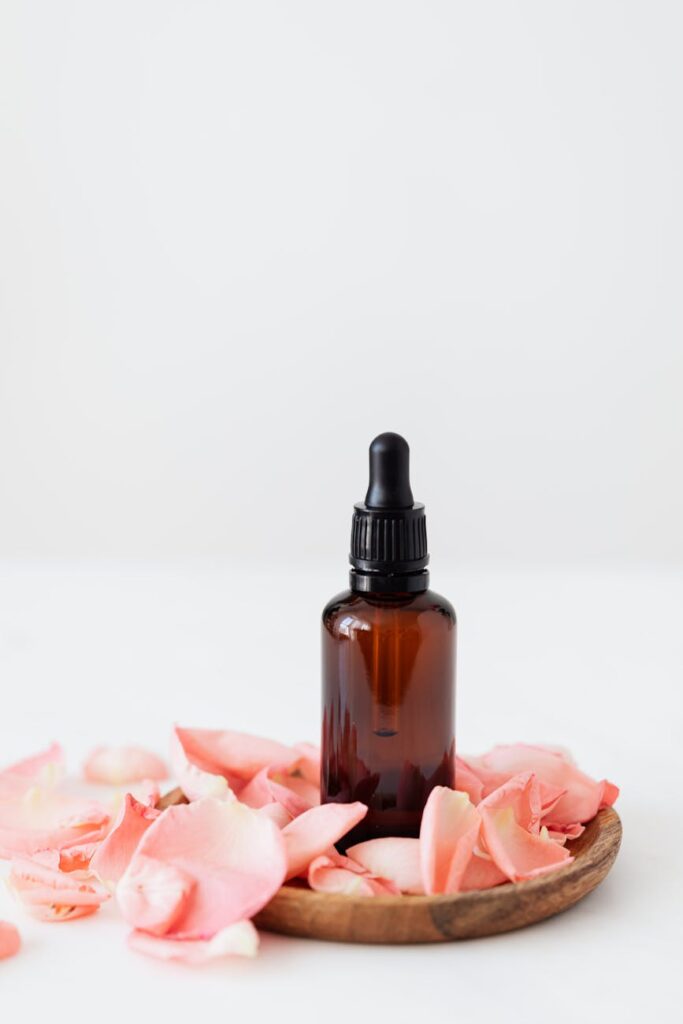
Complete Guide to Rose Oil Part 7
Introduction
Rose oil, often revered as one of the most luxurious and sought-after essential oils, has a rich history that spans centuries. Extracted from the petals of the rose plant, this essential oil is celebrated not only for its exquisite fragrance but also for its myriad uses in aromatherapy, cosmetics, and personal care. This guide aims to provide an in-depth understanding of rose oil, exploring its properties, benefits, applications, safety considerations, and more.
What Is Rose Oil?
Rose oil, also known as rose essential oil or rose otto, is obtained primarily through steam distillation of the petals of the Rosa damascena, commonly known as the Damask rose. The oil can also be derived from other species such as Rosa centifolia, or the cabbage rose. The distillation process captures the oil’s fragrant compounds, resulting in a highly concentrated product that is often described as floral, sweet, and slightly spicy.
The oil is typically a pale yellow to clear liquid and is noted for its complex aroma profile, which consists of over 300 different compounds, contributing to its rich scent and therapeutic properties.
Key Benefits and Properties
Rose oil is known for its diverse range of benefits, which can be categorized into several key properties:
1. Emotional Well-being
Rose oil is often associated with emotional balance and is believed to promote feelings of love, compassion, and tranquility. Its uplifting aroma may help alleviate feelings of anxiety and stress, making it a popular choice in practices aimed at emotional healing.
2. Antioxidant Properties
The oil contains various antioxidants that may help combat oxidative stress in the body. Antioxidants play a crucial role in neutralizing free radicals, thus supporting overall cellular health.
3. Skin Health
Rose oil is often included in skincare formulations due to its purported benefits for skin health. It may help in moisturizing dry skin, reducing redness, and promoting an even skin tone. Its anti-inflammatory properties can also aid in soothing irritated skin.
4. Antimicrobial Effects
Some studies suggest that rose oil possesses antimicrobial properties, which may help inhibit the growth of certain bacteria and fungi. This makes it a valuable ingredient in natural cleaning products and personal care items.
Common Uses
Rose oil has a variety of applications across different sectors:
1. Aromatherapy
In aromatherapy, rose oil is commonly used in diffusers, inhalers, or during massage therapy. Its calming properties can enhance mood and create a relaxing environment.
2. Cosmetics
Due to its pleasant fragrance and skin benefits, rose oil is frequently incorporated into perfumes, lotions, and creams. It is prized for its ability to hydrate and rejuvenate the skin.
3. Personal Care Products
Many personal care items, such as shampoos and conditioners, include rose oil for its aromatic qualities and potential benefits for hair health.
4. Culinary Uses
In some cultures, rose oil is utilized in culinary applications, particularly in desserts and beverages. However, it is essential to use food-grade rose oil for such purposes.
Aromatherapy Applications
In the realm of aromatherapy, rose oil serves multiple purposes:
1. Diffusion
Rose oil can be diffused in a room to create a calming atmosphere. It is often blended with other essential oils like lavender or bergamot to enhance its therapeutic effects.
2. Massage
When diluted with a carrier oil, rose oil can be used in massage therapy to promote relaxation and relieve tension.
3. Bathing
Adding a few drops of rose oil to a warm bath can create a soothing experience. The aromatic properties are known to enhance the relaxation process while providing skin benefits.
4. Inhalation
Direct inhalation of rose oil from the bottle or through a tissue can help uplift mood and reduce feelings of anxiety.
Safety Considerations
While rose oil is generally considered safe for most individuals, there are several important safety considerations to keep in mind:
1. Dilution
Rose oil is highly concentrated and should always be diluted with a carrier oil before applying it to the skin to prevent irritation or allergic reactions.
2. Sensitivity
Some individuals may experience skin sensitivity or allergic reactions to rose oil. It is advisable to conduct a patch test before using it more extensively.
3. Pregnancy and Nursing
Pregnant or nursing individuals should consult a healthcare professional before using rose oil, as its effects during these periods are not well-studied.
4. Interactions
Rose oil may interact with certain medications. It is essential to consult with a healthcare professional if you are on medication or have underlying health conditions.
Storage and Shelf Life
To maintain the quality and efficacy of rose oil, proper storage is crucial:
1. Storage Conditions
Rose oil should be stored in a cool, dark place, away from direct sunlight and heat. Ideal storage containers include dark glass bottles that help protect the oil from light exposure.
2. Shelf Life
When stored correctly, rose oil can last for about 2 to 3 years. Over time, the oil may lose potency or change in aroma, so it’s advisable to replace it periodically.
Frequently Asked Questions
1. How is rose oil different from rose absolute?
Rose oil is typically steam-distilled from rose petals, while rose absolute is extracted using solvent methods. The latter often has a richer aroma but may contain residual solvents from the extraction process.
2. Can rose oil be used in cooking?
Only food-grade rose oil should be used for culinary purposes. Always check for purity and safety guidelines before using essential oils in food.
3. Is rose oil suitable for all skin types?
While rose oil is generally well-tolerated, individuals with sensitive skin should conduct a patch test before extensive use.
4. Are there any known side effects of rose oil?
Common side effects may include skin irritation or allergic reactions, particularly in those with sensitivities. It is advisable to use the oil in moderation and consult a healthcare professional if concerns arise.
Conclusion
Rose oil stands as a multifaceted essential oil with a historic legacy and a wealth of benefits. Its captivating aroma and potential therapeutic properties make it a staple in the worlds of aromatherapy, skincare, and beyond. By understanding its uses, benefits, and safety considerations, individuals can appreciate the true value of this remarkable essential oil while harnessing its beauty and healing potential responsibly.