
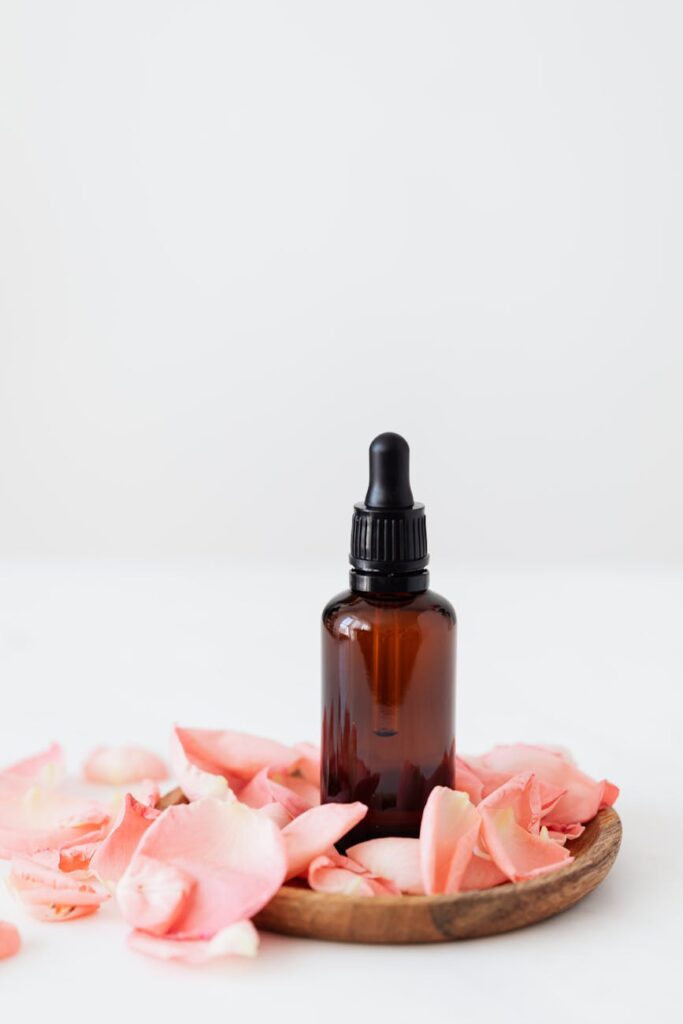
Complete Guide to Rose Oil Part 7
Introduction
Rose oil, derived from the petals of the Rosa damascena and other rose species, has been revered for centuries for its enchanting fragrance and myriad applications. This article serves as a comprehensive resource on rose oil, exploring its composition, benefits, applications, and safety considerations. Whether you’re a seasoned aromatherapy enthusiast or a curious newcomer, this guide aims to deepen your understanding of this exquisite essential oil.
What Is Rose Oil?
Rose oil is an essential oil extracted from the petals of roses through two primary methods: steam distillation and solvent extraction. The most commonly used species for oil production is the Damask rose (Rosa damascena), known for its rich scent and therapeutic properties. Other varieties, like the Bourbon rose (Rosa bourboniana) and the Chinese rose (Rosa chinensis), also yield essential oils with unique characteristics.
Extraction Methods
1. Steam Distillation: This method involves passing steam through rose petals, which causes the essential oil to evaporate. The vapor is then cooled to separate the oil from water. Steam distillation is the most common method for producing high-quality rose oil.
2. Solvent Extraction: In this method, a solvent is used to dissolve the essential oil from the rose petals. This method often results in a more fragrant and concentrated product but may not be suitable for all applications due to potential chemical residues.
Composition
The chemical composition of rose oil is complex, containing numerous compounds that contribute to its aroma and therapeutic properties. Major constituents include:
- Citronellol: Known for its sweet, floral scent, citronellol also possesses calming properties.
- Geraniol: This compound provides a fresh, rose-like fragrance and is often used in perfumes.
- Phenyl Ethyl Alcohol: Characterized by its sweet, floral scent, it is a key component in many rose oils.
- Emotional Balance: The scent of rose oil is often associated with feelings of love, compassion, and emotional well-being. It can help reduce feelings of anxiety and promote relaxation.
- Skin Care: Due to its anti-inflammatory and antibacterial properties, rose oil is frequently used in skincare formulations to soothe irritated skin and improve its overall appearance.
- Antioxidant Properties: The oil contains compounds that may help protect the skin from oxidative stress, contributing to a more youthful appearance.
- Hormonal Balance: Some studies suggest that rose oil may help regulate hormonal fluctuations, making it beneficial for women during their menstrual cycles.
- Perfumes: Rose oil is a popular base note in many fragrances, known for its sweet, floral scent that adds depth and complexity.
- Skincare: It is often included in creams, serums, and lotions for its moisturizing and soothing properties.
- Diffusers: Rose oil can be added to essential oil diffusers to create a calming atmosphere in any space.
- Candles: Many artisanal candle makers incorporate rose oil for its pleasing aroma.
- Dark Glass Containers: Essential oils should be stored in dark glass bottles to protect them from light, which can degrade their quality.
- Cool, Dry Place: Store rose oil in a cool, dry environment, away from direct sunlight and heat sources.
Key Benefits and Properties
Rose oil is celebrated not only for its captivating aroma but also for its various benefits, which include:
Common Uses
The versatility of rose oil allows it to be used in various applications:
Personal Care Products
Home Fragrance
Culinary Uses
In some cultures, rose oil is used in cooking, particularly in desserts and beverages, to impart a subtle floral flavor.
Aromatherapy Applications
In the realm of aromatherapy, rose oil is frequently used for its emotional and mental benefits. Here are some common applications:
Inhalation
Inhaling rose oil can provide immediate emotional support. A few drops can be added to a diffuser or inhaler for a calming effect.
Massage
When blended with a carrier oil, rose oil can be used in massage to promote relaxation and alleviate stress. The soothing properties of the oil can enhance the overall experience.
Bathing
Adding rose oil to bathwater can create a luxurious and relaxing experience. A few drops mixed with a carrier oil or bath salts can transform an ordinary bath into a spa-like retreat.
Safety Considerations
While rose oil is generally regarded as safe for most individuals, certain precautions should be taken:
Skin Sensitivity
As with any essential oil, it is advisable to conduct a patch test before applying rose oil to the skin. Diluting the oil with a carrier oil can help minimize the risk of irritation.
Allergies
Individuals with a known allergy to roses or related plants should avoid using rose oil.
Pregnancy and Nursing
It is recommended that pregnant or nursing women consult a healthcare professional before using essential oils, including rose oil.
Quality of Oil
The purity and quality of rose oil can vary significantly. It is advisable to purchase from reputable suppliers to ensure you are getting a high-quality product free from additives or synthetic compounds.
Storage and Shelf Life
To maintain the integrity of rose oil, proper storage is essential:
Storage Conditions
Shelf Life
When stored correctly, rose oil typically has a shelf life of about 3 to 5 years. However, it is crucial to check for changes in aroma or consistency, which may indicate that the oil has gone bad.
Frequently Asked Questions
What is the difference between rose oil and rose absolute?
Rose oil is typically steam-distilled, while rose absolute is obtained through solvent extraction. The latter often has a richer scent but may contain residual solvents.
Can rose oil be used for cooking?
Yes, in small amounts, rose oil can be used in culinary applications, particularly in desserts. However, it is essential to ensure that the oil is food-grade.
How can I incorporate rose oil into my skincare routine?
Rose oil can be added to creams, serums, or used in a carrier oil for massage. Always perform a patch test before applying it directly to the skin.
Is rose oil suitable for sensitive skin?
Rose oil may be suitable for sensitive skin, but it is advisable to dilute it with a carrier oil and perform a patch test to avoid irritation.
Can rose oil help with emotional issues?
Many people find the aroma of rose oil calming and uplifting. While it may support emotional well-being, it is not a substitute for professional mental health care.
Conclusion
Rose oil is a cherished essential oil with a rich history and a multitude of applications. Its unique properties make it a valuable addition to aromatherapy, skincare, and home fragrance. By understanding its benefits, safe usage, and storage, you can fully appreciate the beauty and versatility of this remarkable oil. Whether used in a calming massage, a relaxing bath, or as a fragrant addition to your home, rose oil continues to enchant and inspire.