
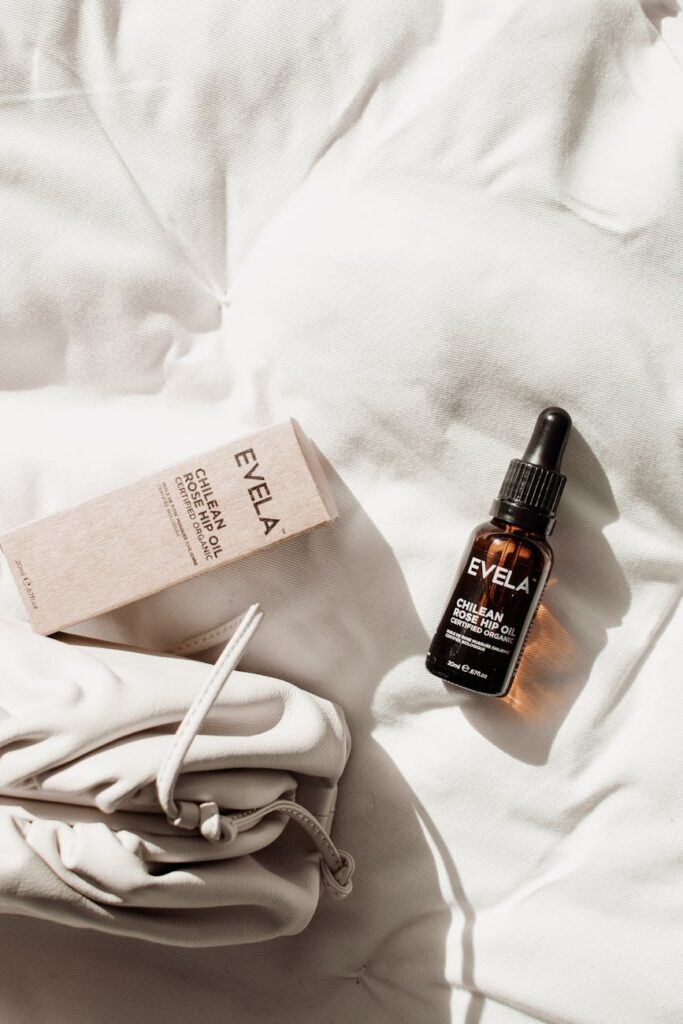
Complete Guide to Rosehip Oil Part 1
Introduction
Rosehip oil, derived from the seeds of the wild rose (Rosa canina), has gained popularity in the world of skincare and aromatherapy. Renowned for its rich nutrient profile and versatile applications, this oil has been used for centuries in various cultures for its potential benefits. This guide aims to provide a comprehensive overview of rosehip oil, covering its properties, uses, safety considerations, and more.
What Is Rosehip Oil?
Rosehip oil is extracted from the small, red fruit (or hip) of the rose plant, primarily the Rosa canina species. The extraction process typically involves cold-pressing the seeds to retain the oil’s valuable nutrients. Rich in essential fatty acids, vitamins, and antioxidants, rosehip oil is often regarded as a premium oil in both cosmetic and therapeutic applications.
The oil has a light, non-greasy texture and a distinct, earthy aroma, making it an appealing choice for various formulations, including facial oils, serums, and creams.
Key Benefits and Properties
Nutrient Profile
Rosehip oil is packed with essential fatty acids, particularly linoleic acid (omega-6) and alpha-linolenic acid (omega-3). These fatty acids are crucial for maintaining skin health and moisture. The oil also contains:
- Vitamins: Particularly vitamin A (in the form of retinoids), vitamin C, and vitamin E, which are known for their antioxidant properties.
- Antioxidants: These compounds help protect the skin from oxidative stress and environmental damage.
- Phenolic Compounds: These have anti-inflammatory properties that can benefit the skin.
- Moisturizer: Due to its lightweight consistency, rosehip oil is an excellent moisturizer for all skin types, including oily and acne-prone skin.
- Serum: It can be used as a standalone serum or blended with other oils for enhanced benefits.
- Makeup Remover: Its emollient properties make it effective for removing makeup without stripping the skin of its natural oils.
- Container: Store rosehip oil in a dark glass bottle to protect it from light exposure, which can degrade its quality.
- Temperature: Keep it in a cool, dry place away from direct sunlight and heat sources.
- Seal: Ensure the bottle is tightly sealed to prevent oxidation.
Skin Health
Rosehip oil is often celebrated for its skin-nourishing qualities. It’s believed to help improve skin texture, tone, and elasticity. Users report that it may assist in reducing the appearance of scars, fine lines, and hyperpigmentation, making it a popular choice for those seeking a more even skin complexion.
Anti-Inflammatory Properties
The oil’s anti-inflammatory properties may provide relief for conditions like eczema and dermatitis, soothing irritated skin and promoting healing.
Common Uses
Rosehip oil is versatile and can be used in various applications, primarily in skincare. Here are some common uses:
Skincare
Hair Care
Some individuals use rosehip oil to nourish dry or damaged hair. It can be applied as a leave-in conditioner or added to hair masks to enhance shine and manageability.
Body Care
Rosehip oil can be used in body lotions or creams, offering hydration and improving the skin’s overall appearance. It may also be beneficial in reducing the appearance of stretch marks.
Aromatherapy Applications
While rosehip oil is primarily known for its cosmetic benefits, it also has applications in aromatherapy. Its calming aroma, reminiscent of fresh roses, can be used in diffusers or blended with other essential oils for a soothing atmosphere.
Blending with Other Oils
Rosehip oil blends well with other carrier oils such as jojoba oil, sweet almond oil, or coconut oil. It can also be combined with essential oils like lavender, chamomile, or geranium to enhance its aromatic properties and therapeutic effects.
Massage
In massage therapy, rosehip oil can be used as a carrier oil due to its skin-nourishing benefits. It may enhance the overall experience by providing a soothing aroma and moisturizing the skin.
Safety Considerations
While rosehip oil is generally considered safe for most individuals, there are a few safety considerations to keep in mind:
Skin Sensitivity
As with any oil, it is advisable to conduct a patch test before using rosehip oil for the first time. Apply a small amount to a discreet area of skin and wait 24 hours to check for any adverse reactions.
Allergies
Individuals with known allergies to roses or other related plants should exercise caution when using rosehip oil. Consult a healthcare professional if you have specific concerns or pre-existing skin conditions.
Pregnancy and Nursing
While rosehip oil is often deemed safe for topical use during pregnancy and nursing, it is always best to consult a healthcare provider before incorporating new products into your routine.
Storage and Shelf Life
To maintain the quality of rosehip oil, proper storage is crucial. Here are some tips:
Storage Recommendations
Shelf Life
Typically, rosehip oil has a shelf life of about 6 to 12 months. However, this can vary depending on the extraction method and storage conditions. Signs of rancidity include a change in color, odor, or consistency. If you notice any of these signs, it is best to dispose of the oil.
Frequently Asked Questions
1. Can rosehip oil be used on all skin types?
Yes, rosehip oil is generally suitable for all skin types, including oily, dry, and sensitive skin. However, individual reactions may vary, so a patch test is recommended.
2. How often should I apply rosehip oil?
Application frequency can vary based on personal preference and skin type. It is often used once or twice daily for optimal results.
3. Is rosehip oil non-comedogenic?
Rosehip oil is classified as non-comedogenic, meaning it is unlikely to clog pores, making it suitable for acne-prone skin.
4. Can I use rosehip oil under makeup?
Yes, rosehip oil can be used as a primer before applying makeup, providing a smooth base and additional hydration.
5. How does rosehip oil compare to other oils?
Rosehip oil is unique due to its high levels of vitamins and fatty acids, setting it apart from other carrier oils like jojoba or coconut oil. Each oil has its benefits, but rosehip oil is particularly noted for its skin-rejuvenating properties.
Conclusion
Rosehip oil is a remarkable oil with a rich history and a wide range of applications in skincare and aromatherapy. Understanding its properties, benefits, and safe usage can empower individuals to incorporate it into their wellness and beauty routines. In the next part of this guide, we will delve deeper into advanced uses, formulations, and recipes involving rosehip oil. Stay tuned for more insights on this versatile oil.