
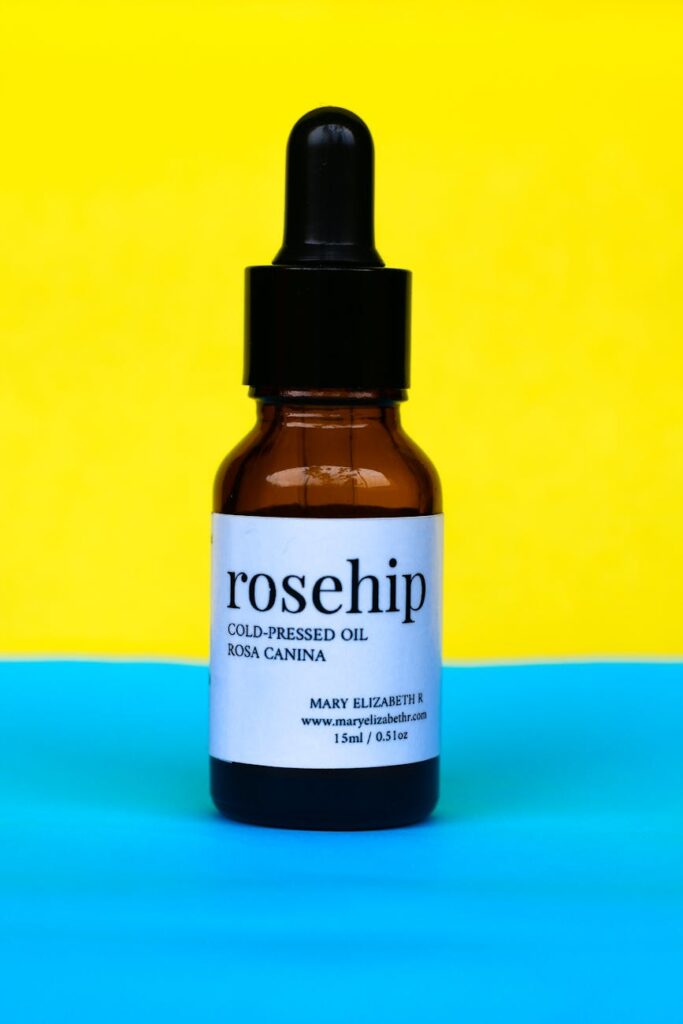
Complete Guide to Rosehip Oil Part 1
Introduction
Rosehip oil, derived from the seeds of the wild rose bush (Rosa canina), has garnered significant attention in both the beauty and wellness industries. Valued for its diverse applications and rich nutrient profile, this oil is often praised for its skin-enhancing properties and overall health benefits. In this comprehensive guide, we will explore the origins, benefits, uses, and safety considerations associated with rosehip oil, providing you with a clear understanding of this remarkable oil.
What Is Rosehip Oil?
Rosehip oil is a plant oil extracted from the fruit and seeds of the wild rose bush, predominantly found in regions of Europe, particularly in the Mediterranean. The oil is cold-pressed to preserve its beneficial properties, resulting in a light, fragrant oil with a characteristic reddish-orange hue.
Rich in essential fatty acids, vitamins, and antioxidants, rosehip oil has been used for centuries in traditional medicine and skincare. Its composition includes a high percentage of linoleic acid (omega-6), alpha-linolenic acid (omega-3), and oleic acid (omega-9), making it a valuable addition to various formulations and practices.
Key Benefits and Properties
Nutrient-Rich Composition
Rosehip oil is known for its impressive array of nutrients:
- Vitamins: It is particularly high in vitamins A, C, and E. Vitamin A promotes skin renewal, while vitamin C is known for its antioxidant properties and its role in collagen synthesis. Vitamin E offers additional antioxidant benefits and supports skin health.
- Fatty Acids: The oil contains essential fatty acids that help maintain the skin’s barrier function, providing moisture and elasticity.
- Antioxidants: Rosehip oil is rich in antioxidants, which help protect the skin from oxidative stress and environmental damage.
- Lavender: Known for its calming properties, lavender essential oil complements rosehip oil’s soothing effects.
- Geranium: This floral scent can enhance mood while contributing to skin health.
- Frankincense: Often used for its grounding properties, frankincense can support the skin when combined with rosehip oil.
Skin Benefits
1. Moisturizing: Rosehip oil is an excellent moisturizer, aiding in hydration without leaving a greasy residue. Its lightweight texture makes it suitable for a variety of skin types.
2. Anti-Aging: The oil’s high content of antioxidants and vitamins can help reduce the appearance of fine lines and wrinkles, promoting a more youthful complexion.
3. Scar and Stretch Mark Reduction: Rosehip oil is often used to improve the appearance of scars and stretch marks due to its regenerative properties.
4. Skin Tone and Texture Improvement: Regular use of rosehip oil may help even out skin tone and texture, leading to a smoother and more radiant complexion.
5. Soothing Properties: The oil is known for its calming and soothing effects on the skin, making it suitable for sensitive or irritated skin.
Common Uses
Rosehip oil is versatile and can be incorporated into various practices, including:
1. Skincare: Frequently used in serums, creams, and facial oils, rosehip oil can be directly applied to the skin or blended with other oils or ingredients.
2. Haircare: It can also be added to hair products or used as a leave-in treatment to enhance shine and hydration.
3. Massage Oil: Due to its light texture, rosehip oil can be used as a carrier oil in massage blends.
4. DIY Formulations: Enthusiasts often incorporate rosehip oil into homemade skincare products, such as lotions, balms, and scrubs.
Aromatherapy Applications
While rosehip oil is not typically categorized as an essential oil, it has gained popularity in aromatherapy practices due to its pleasant aroma and beneficial properties. In aromatherapy, it is often blended with essential oils to enhance emotional well-being and promote relaxation.
Blending with Essential Oils
Rosehip oil can be combined with essential oils such as:
Diffusion and Inhalation
Though rosehip oil is not typically diffused, its presence in a blend can enhance the aromatic experience and provide a sense of calm when inhaled.
Safety Considerations
Rosehip oil is generally considered safe for topical use; however, certain precautions should be observed:
1. Patch Test: Before applying rosehip oil to larger areas of the skin, conduct a patch test on a small area to check for any adverse reactions.
2. Allergic Reactions: Individuals with sensitivities to roses or related plants should consult a healthcare professional before use.
3. Dilution: While rosehip oil can be applied directly to the skin, it is often beneficial to dilute it with a carrier oil, especially for those with sensitive skin.
4. Consultation: If you have a pre-existing skin condition or are pregnant, it is advisable to consult a healthcare professional before using rosehip oil.
Storage and Shelf Life
To maintain the quality and potency of rosehip oil, proper storage is essential:
1. Storage Conditions: Keep rosehip oil in a cool, dark place, away from direct sunlight and heat to prevent oxidation.
2. Container: Use opaque or dark glass containers to protect the oil from light exposure.
3. Shelf Life: The shelf life of rosehip oil typically ranges from 6 months to 1 year, depending on storage conditions. Always check for any changes in color, odor, or texture before use.
Frequently Asked Questions
1. Can I use rosehip oil on all skin types?
Yes, rosehip oil is generally suitable for all skin types, including sensitive and oily skin. Its lightweight texture allows it to absorb easily without clogging pores.
2. How often should I use rosehip oil?
You can use rosehip oil daily as part of your skincare routine. It can be applied in the morning and/or evening, depending on your preference.
3. Is rosehip oil safe for pregnant women?
While rosehip oil is generally considered safe for topical use, it is advisable for pregnant women to consult a healthcare professional before incorporating new products into their routine.
4. Can I ingest rosehip oil?
Rosehip oil is primarily used for topical applications. Ingestion is not commonly recommended, and it’s essential to consult a healthcare professional if you are considering this.
5. How does rosehip oil compare to other oils?
Compared to other oils, rosehip oil is particularly noted for its high vitamin A and C content, making it unique for skin regeneration and brightening. Oils like jojoba or argan may offer different benefits, such as moisturization or nourishment.
Conclusion
Rosehip oil stands out as a remarkable natural oil with a rich history of use and a plethora of benefits. Its unique composition makes it a versatile choice for skincare, while its aromatic properties allow it to be integrated into various wellness practices. In the next part of this guide, we will delve deeper into the practical applications and formulations of rosehip oil, equipping you with the knowledge to incorporate this oil into your daily life effectively.