
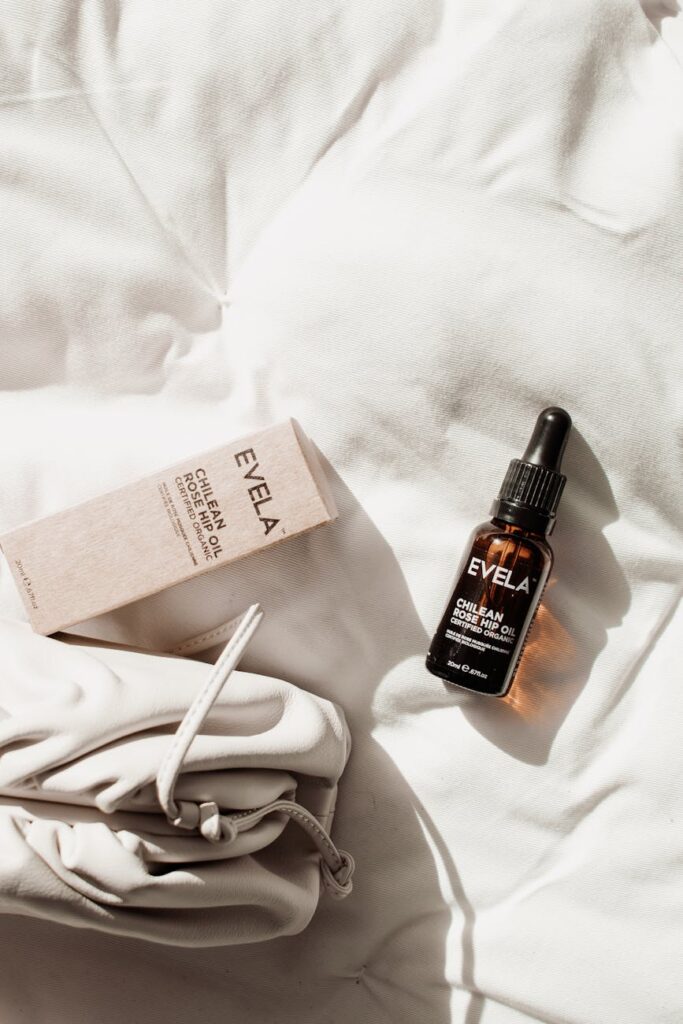
Complete Guide to Rosehip Oil Part 1
Introduction
Rosehip oil, derived from the seeds of the wild rose bush (Rosa canina), has garnered increasing attention in the realm of natural skincare and wellness. Celebrated for its rich nutrient profile and versatile applications, this oil is a staple in both cosmetic formulations and holistic practices. This guide aims to provide a comprehensive overview of rosehip oil, covering its origins, benefits, uses, and other essential aspects to help you understand its role in personal care and aromatherapy.
What Is Rosehip Oil?
Rosehip oil is extracted from the small, red fruit that remains on the rose bush after the flowers have bloomed and fallen off. The extraction process typically involves cold-pressing the seeds, which helps retain the oil’s beneficial properties. Rich in essential fatty acids, vitamins, and antioxidants, rosehip oil has been used for centuries in various cultures for its nourishing and soothing qualities.
The oil’s composition includes linoleic acid (omega-6), oleic acid (omega-9), and alpha-linolenic acid (omega-3), along with vitamins A, C, and E, making it a powerful addition to skincare routines.
Key Benefits and Properties
Nutritional Profile
1. Essential Fatty Acids: Rosehip oil contains a high concentration of essential fatty acids, which are crucial for maintaining skin health. These fatty acids help to hydrate the skin, support cell regeneration, and improve elasticity.
2. Vitamins:
- Vitamin A: Known for its role in skin cell turnover, vitamin A contributes to a smoother and more youthful complexion.
- Vitamin C: This antioxidant helps protect the skin from environmental stressors and plays a vital role in collagen synthesis.
- Vitamin E: An additional antioxidant that aids in skin repair and protection against free radical damage.
- For Stress Relief: Combine rosehip oil with lavender essential oil to create a calming massage oil or bath blend.
- For Skin Rejuvenation: Mix rosehip oil with geranium essential oil for a rejuvenating facial oil blend that promotes a healthy complexion.
- Patch Testing: Before using rosehip oil, it is advisable to perform a patch test on a small area of skin to check for any allergic reactions.
- Pregnancy and Nursing: Although rosehip oil is typically safe, pregnant or nursing individuals should consult with a healthcare professional before use.
- Not for Ingestion: Rosehip oil is intended for external use only and should not be ingested.
- Cool, Dark Place: Store rosehip oil in a dark glass bottle to protect it from light, and keep it in a cool, dark place to prevent oxidation.
- Refrigeration: Refrigeration can help extend the shelf life of rosehip oil, especially in warmer climates.
- Shelf Life: When stored properly, rosehip oil typically has a shelf life of about 6 to 12 months. Be sure to check for any changes in color, smell, or consistency before use.
3. Antioxidants: The presence of antioxidants in rosehip oil helps neutralize free radicals, potentially reducing the signs of aging and promoting overall skin health.
Anti-Inflammatory Properties
Rosehip oil also exhibits anti-inflammatory properties, making it beneficial for soothing irritated skin and reducing redness. Its ability to calm inflammation can be particularly useful for conditions such as rosacea and eczema.
Skin Regeneration
The combination of fatty acids and vitamins in rosehip oil supports the skin’s natural healing processes. This makes it a popular choice for addressing scars, sun damage, and hyperpigmentation, as well as improving overall skin tone and texture.
Common Uses
Skincare
Rosehip oil is primarily used in skincare, where it can be applied directly or included in formulations such as creams, serums, and lotions. Its lightweight texture allows it to be absorbed quickly, making it suitable for various skin types, including oily, dry, and sensitive skin.
Hair Care
In addition to skincare, rosehip oil can also be used in hair care formulations. Its moisturizing properties help nourish the scalp and hair, promoting shine and reducing dryness and frizz.
Massage Oil
Due to its skin-nourishing properties, rosehip oil can be blended with carrier oils for use in massage. It provides a smooth glide while delivering beneficial nutrients to the skin.
Aromatherapy Applications
While rosehip oil is not typically used for its aromatic qualities, it can be combined with other essential oils in aromatherapy practices. When blended with oils such as lavender, chamomile, or geranium, rosehip oil can enhance the soothing and calming effects of the overall treatment.
Blending Suggestions
Safety Considerations
While rosehip oil is generally considered safe for topical use, there are a few precautions to keep in mind:
Storage and Shelf Life
Proper storage of rosehip oil is crucial to maintain its quality and efficacy. Here are some tips for storage:
Frequently Asked Questions
1. Is rosehip oil suitable for all skin types?
Yes, rosehip oil is versatile and suitable for various skin types, including oily, dry, and sensitive skin. Its lightweight formula and nourishing properties make it an excellent option for most individuals.
2. Can rosehip oil help with acne?
While rosehip oil is not a treatment for acne, its anti-inflammatory properties may help soothe irritated skin. However, individuals with acne-prone skin should monitor their skin’s response and consult with a skincare professional if needed.
3. How often can I use rosehip oil?
Rosehip oil can be used daily, either in the morning or evening, depending on your skincare routine. It can be applied directly to the skin or mixed into your moisturizer or serum.
4. Can I use rosehip oil around my eyes?
While rosehip oil is generally safe for use on the face, caution is advised when applying it near the eyes. If you have sensitive skin or are prone to irritation, consider using a specialized eye cream instead.
5. Is rosehip oil non-comedogenic?
Yes, rosehip oil is considered non-comedogenic, meaning it is unlikely to clog pores. This makes it suitable for individuals concerned about breakouts.
Conclusion
Rosehip oil is a remarkable natural oil with a wealth of benefits for both skin and hair care. Its rich composition of essential fatty acids, vitamins, and antioxidants makes it a versatile ingredient in a variety of formulations. As you explore the world of rosehip oil, consider how its unique properties can enhance your skincare and aromatherapy practices. In the next part of this guide, we will delve deeper into specific recipes, blending techniques, and more detailed applications of rosehip oil.