
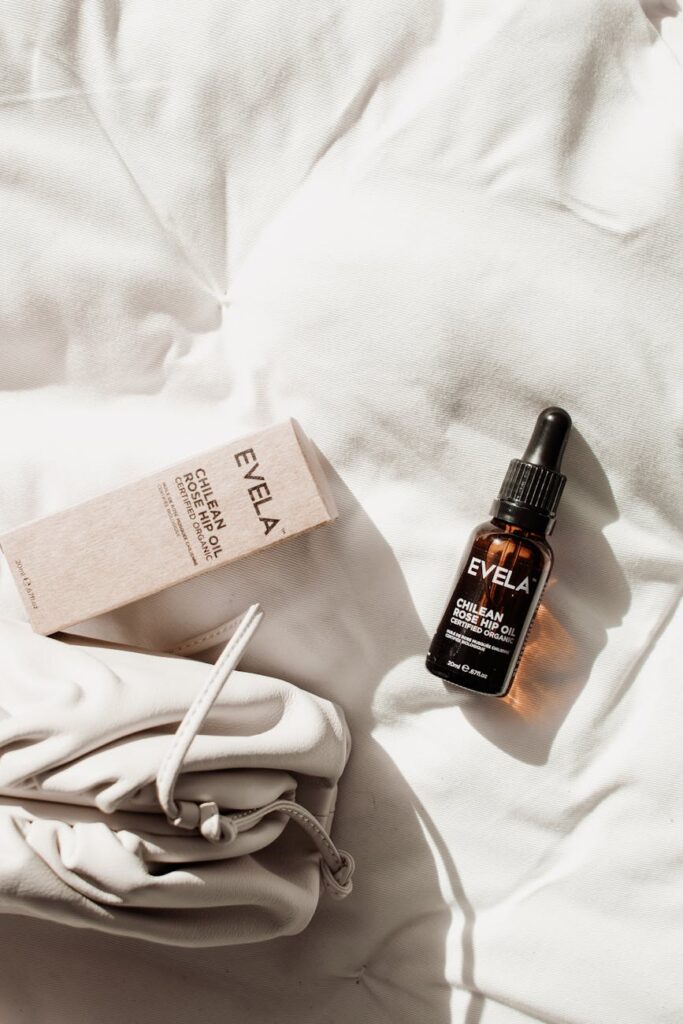
Complete Guide to Rosehip Oil Part 11
Introduction
Rosehip oil, derived from the seeds of the wild rose bush, has gained significant popularity in the realms of skincare, aromatherapy, and holistic wellness. Known for its rich nutrient profile, this oil offers a multitude of benefits, making it a staple in many natural beauty routines and alternative therapies. In this comprehensive guide, we will explore the various attributes of rosehip oil, its uses, and safety considerations, providing you with a well-rounded understanding of this remarkable oil.
What Is Rosehip Oil?
Rosehip oil is extracted from the seeds of the Rosa canina plant, commonly known as the dog rose. The extraction method usually involves cold pressing the seeds, which preserves the oil’s beneficial properties. This oil is characterized by its light texture, slightly nutty aroma, and vibrant orange-red hue, attributed to its high content of beta-carotene.
Rich in essential fatty acids, vitamins, and antioxidants, rosehip oil is renowned for its ability to nourish and rejuvenate the skin. It has been used for centuries in traditional medicine and cosmetics, particularly in South America and parts of Europe.
Key Benefits and Properties
Nutrient-Rich Composition
Rosehip oil is a powerhouse of nutrients, containing:
- Essential Fatty Acids: Primarily linoleic acid (omega-6) and alpha-linolenic acid (omega-3), which support skin barrier function and hydration.
- Vitamins: High levels of vitamins A, C, and E contribute to its antioxidant properties, promoting skin health and repair.
- Antioxidants: These compounds help neutralize free radicals, reducing oxidative stress and supporting skin rejuvenation.
- Moisturization: Its lightweight texture allows for easy absorption while deeply hydrating the skin.
- Anti-aging Properties: The presence of vitamin A promotes skin cell turnover, helping to diminish the appearance of fine lines and wrinkles.
- Scar Reduction: Rosehip oil is often used to improve the appearance of scars and hyperpigmentation, thanks to its regenerative properties.
- Soothing Irritation: Its anti-inflammatory properties can help calm redness and irritation, making it suitable for sensitive skin types.
- As a Moisturizer: Apply directly to the skin or mix with other oils for enhanced hydration.
- In Facial Serums: Often blended with essential oils or other carrier oils to create nourishing serum formulations.
- For Targeted Treatments: Use as a spot treatment for scars, fine lines, or dry patches.
- Conditioning Treatment: Apply a few drops to the ends of the hair to reduce split ends and add shine.
- Scalp Health: Massaging rosehip oil into the scalp can help alleviate dryness and promote healthy hair growth.
- Salad Dressings: Its nutty flavor can enhance salad dressings and marinades.
- Health Supplements: Some people incorporate it into smoothies or health drinks for its nutritional benefits.
- With Lavender Oil: For a calming and soothing blend ideal for relaxation.
- With Frankincense Oil: For promoting a sense of grounding and spiritual connection.
- Cool, Dark Place: Store the oil in a cool, dark cabinet or refrigerator to prevent oxidation and degradation.
- Amber or Dark Glass Container: Ideally, rosehip oil should be kept in an amber or dark glass bottle to protect it from light exposure.
Skin Benefits
The unique composition of rosehip oil offers several advantages for skin health:
Common Uses
Skincare
Rosehip oil is a versatile ingredient in skincare formulations. It can be used:
Hair Care
While predominantly known for its skincare benefits, rosehip oil can also enhance hair health:
Culinary Uses
In addition to its cosmetic applications, rosehip oil can be used in culinary contexts:
Aromatherapy Applications
Rosehip oil is sometimes utilized in aromatherapy, although it is less common than essential oils. Here are a few ways it can be incorporated:
Blending with Essential Oils
Rosehip oil can serve as a carrier oil for essential oils in aromatherapy blends. It can dilute potent essential oils, making them safe for topical application. Some popular combinations include:
Diffusion
While rosehip oil is not typically used in diffusers, it can be blended with essential oils for a fragrant and therapeutic atmosphere. Ensure that the ratio of essential oil to rosehip oil is suitable for diffusion.
Safety Considerations
Skin Sensitivity
While rosehip oil is generally considered safe for most skin types, it is advisable to conduct a patch test before extensive use, especially for those with sensitive skin. Apply a small amount to an inconspicuous area and wait 24 hours to observe any adverse reactions.
Allergies
Individuals with known allergies to roses or other members of the Rosaceae family should exercise caution when using rosehip oil. Consulting with a healthcare provider is recommended if you have concerns regarding allergies.
Pregnant and Nursing Women
While there is limited research on the safety of rosehip oil during pregnancy and breastfeeding, it is prudent for expectant mothers to consult with healthcare professionals before incorporating new products into their routines.
Storage and Shelf Life
Proper Storage
To maintain the quality of rosehip oil, proper storage is essential:
Shelf Life
When stored correctly, rosehip oil generally has a shelf life of about 6 to 12 months. However, it is advisable to check for any changes in color, smell, or consistency, which may indicate spoilage.
Frequently Asked Questions
1. Can rosehip oil be used on all skin types?
Yes, rosehip oil is suitable for most skin types. Its lightweight nature makes it an excellent option for oily and combination skin, while its hydrating properties benefit dry and sensitive skin.
2. How often should I use rosehip oil?
You can use rosehip oil daily as part of your skincare routine, either in the morning or evening. A few drops can be applied alone or mixed with other products.
3. Is rosehip oil comedogenic?
Rosehip oil is considered non-comedogenic, meaning it is unlikely to clog pores. However, individual reactions may vary, so it’s advisable to monitor your skin’s response.
4. Can I use rosehip oil on my face?
Absolutely. Rosehip oil is commonly used on the face as a moisturizer or serum. It can help improve skin texture, hydration, and overall appearance.
5. Is there a difference between rosehip oil and rose oil?
Yes, rosehip oil and rose oil are different. Rosehip oil is derived from the seeds of the rose plant and is primarily used for its nourishing and healing properties. In contrast, rose oil is extracted from rose petals and is often used for its fragrance and emotional benefits in aromatherapy.
Conclusion
Rosehip oil is a remarkable natural oil with a wealth of benefits and applications. From skincare to hair care and culinary uses, its versatility makes it a valuable addition to any holistic wellness routine. By understanding its properties, uses, and safety considerations, you can incorporate rosehip oil into your daily life, enhancing both your beauty regimen and overall well-being.