
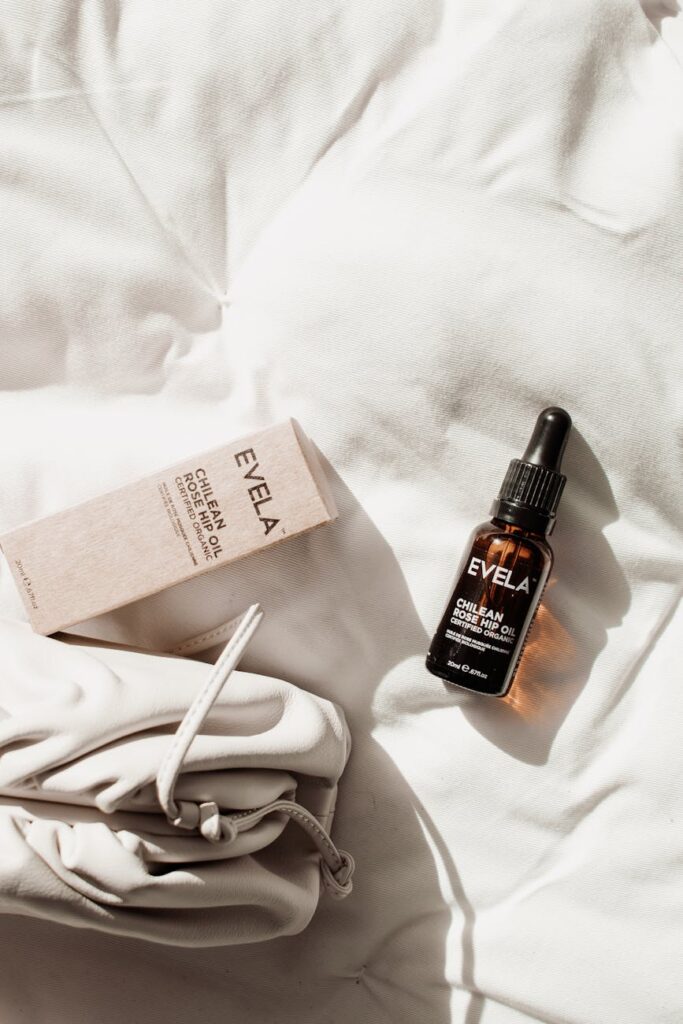
Complete Guide to Rosehip Oil Part 13
Introduction
Rosehip oil, derived from the seeds of the wild rose plant (Rosa canina), has gained significant popularity in recent years due to its numerous benefits and versatile applications. This article serves as a comprehensive guide to understanding rosehip oil, exploring its properties, uses, and safety considerations.
What Is Rosehip Oil?
Rosehip oil is a rich, plant-based oil extracted from the seeds of the rosehip fruit, which is the seed pod left behind after the blossoms of the wild rose have fallen. The oil is typically cold-pressed to preserve its delicate nutrients and beneficial properties. It has a distinct amber color and a slightly nutty aroma, making it ideal for both cosmetic and therapeutic applications.
The wild rose plant is native to parts of Europe, North Africa, and Western Asia, thriving in temperate climates. Rosehip oil is often used in skincare products, but its uses extend to various domains, including aromatherapy and holistic wellness.
Key Benefits and Properties
Rosehip oil is renowned for its unique composition, which includes:
- Essential Fatty Acids: Primarily linoleic acid (omega-6) and alpha-linolenic acid (omega-3), which help maintain skin barrier function and moisture.
- Vitamins: Rich in vitamins A, C, and E, rosehip oil is known for its antioxidant properties, promoting skin health and reducing signs of aging.
- Phenolic Compounds: These compounds contribute to the oil’s anti-inflammatory and antioxidant properties, making it beneficial for skin conditions and overall health.
- Trans-Retinoic Acid (TRA): A derivative of vitamin A, TRA supports skin regeneration and can improve the appearance of scars and fine lines.
- Patch Test: Before applying rosehip oil to a larger area of skin, it is advisable to conduct a patch test. Apply a small amount to a discreet area and wait 24 hours to check for any adverse reactions.
- Allergies: Individuals with known allergies to roses or related plants should avoid rosehip oil.
- Pregnancy and Nursing: Although rosehip oil is often considered safe for use during pregnancy and nursing, it is always best to consult with a healthcare professional for personalized advice.
- Storage: To maintain its efficacy, store rosehip oil in a cool, dark place, away from direct sunlight and heat sources.
- Dark Glass Bottles: Choose oil packaged in dark glass bottles to limit exposure to light, which can degrade the oil.
- Cool Environment: Keep the oil in a refrigerator or a cool, dark cabinet to prevent oxidation.
- Seal Tightly: Always ensure the cap is tightly sealed after each use to minimize air exposure.
- Check for Signs of Spoilage: Before use, check for any changes in color, smell, or texture, which may indicate that the oil has gone rancid.
The combination of these properties makes rosehip oil a valuable ingredient in skincare formulations and a popular choice for those seeking natural solutions for skin health.
Common Uses
Rosehip oil is versatile and can be utilized in various ways:
1. Skincare: Its hydrating and nourishing properties make it an excellent moisturizer, suitable for all skin types. It can help improve skin tone, texture, and elasticity.
2. Scars and Stretch Marks: Many people use rosehip oil to help reduce the visibility of scars, stretch marks, and hyperpigmentation due to its regenerative properties.
3. Anti-Aging: The oil’s high levels of antioxidants contribute to its ability to combat signs of aging, such as fine lines and wrinkles.
4. Hair Care: Applied to the scalp and hair, rosehip oil can nourish and strengthen hair, promoting shine and reducing dryness.
5. Nail Care: It can also be used to moisturize and strengthen nails and cuticles.
6. Massage Oil: Thanks to its lightweight texture, rosehip oil can be blended with other carrier oils for use in massage.
Aromatherapy Applications
In the realm of aromatherapy, rosehip oil is often used for its calming and soothing effects. Although it is not typically classified as an essential oil, it can be added to blends for enhancing emotional well-being. Its gentle, pleasant scent can evoke feelings of warmth and comfort.
1. Emotional Balance: The oil is believed to promote emotional healing and can be included in blends designed to alleviate stress and anxiety.
2. Meditation: Rosehip oil can be used in meditation practices, providing a grounding aroma that enhances focus and mindfulness.
3. Carrier Oil: Due to its beneficial properties, rosehip oil serves as an excellent carrier for essential oils, making it ideal for diluting potent oils before topical application.
Safety Considerations
While rosehip oil is generally considered safe for topical use, there are several safety considerations to keep in mind:
Storage and Shelf Life
The shelf life of rosehip oil can vary depending on its extraction method and storage conditions. Typically, when stored properly, rosehip oil can last between 6 to 12 months. Here are some tips to ensure longevity:
Frequently Asked Questions
1. Can rosehip oil be used on all skin types?
Yes, rosehip oil is generally suitable for all skin types, including sensitive and oily skin. Its non-comedogenic nature means it won’t clog pores, making it ideal for acne-prone skin.
2. How should I apply rosehip oil?
Rosehip oil can be applied directly to the skin or mixed with a carrier oil. For best results, apply a few drops to clean, damp skin and massage gently until absorbed.
3. Is rosehip oil safe for pregnant women?
While rosehip oil is often considered safe during pregnancy, it is advisable to consult with a healthcare professional before use.
4. Can I use rosehip oil on my hair?
Yes, rosehip oil can be applied to the scalp and hair to provide moisture and nourishment. It can help improve hair texture and shine.
5. How can I incorporate rosehip oil into my skincare routine?
Rosehip oil can be used as a standalone moisturizer, mixed into your favorite creams or serums, or added to facial masks for enhanced benefits.
6. Is there a difference between rosehip oil and rose oil?
Yes, rosehip oil is derived from the seeds of the rosehip fruit, while rose oil is extracted from the petals of the rose flower. Each has different properties and uses.
Conclusion
Rosehip oil is a multifaceted oil with a rich history of use in skincare and wellness. Its beneficial properties, ranging from anti-aging benefits to emotional well-being, make it a cherished ingredient in both cosmetics and aromatherapy. By understanding its uses, benefits, and safety considerations, individuals can effectively incorporate rosehip oil into their daily routines for enhanced health and beauty.