
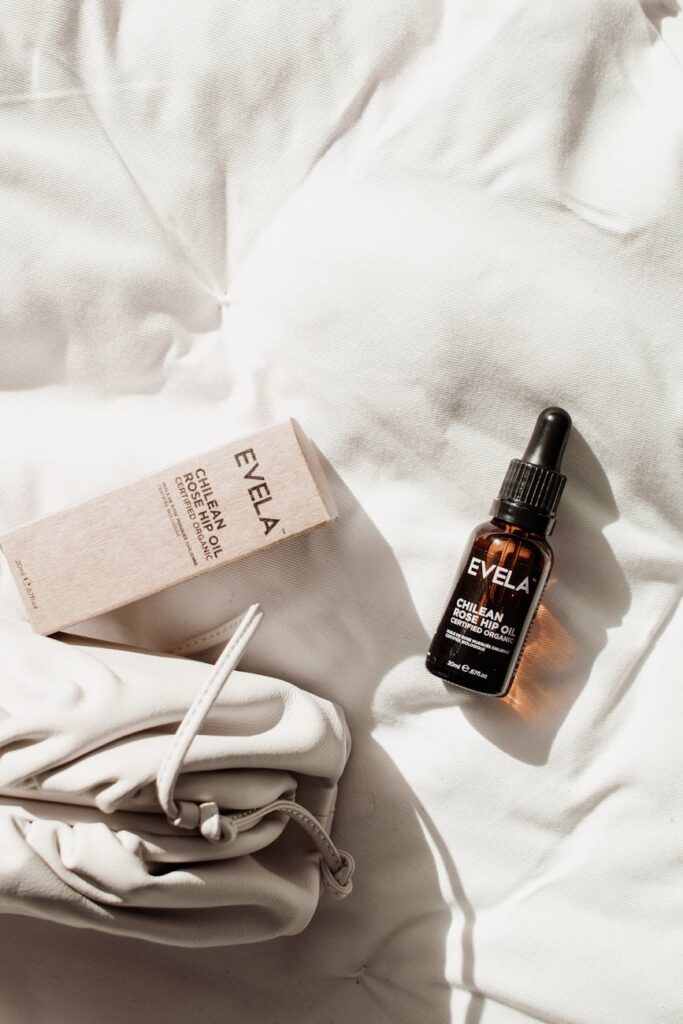
Complete Guide to Rosehip Oil Part 16
Introduction
Rosehip oil, derived from the seeds of the rosehip fruit (Rosa canina), has garnered significant attention in the realm of skincare and wellness due to its diverse properties and applications. Traditionally used for its rich nutrient profile, this oil has become a staple in natural beauty regimens and holistic practices worldwide. This guide aims to provide a comprehensive overview of rosehip oil, including its benefits, common uses, and safety considerations.
What Is Rosehip Oil?
Rosehip oil is extracted from the small, red fruit that remains after the petals of a rose have fallen. The fruit, known as the hip, is rich in essential fatty acids, vitamins, and antioxidants. The oil is typically cold-pressed to retain its beneficial properties, resulting in a light, non-greasy oil that is easily absorbed by the skin.
The composition of rosehip oil includes:
- Fatty Acids: Primarily linoleic acid (omega-6) and alpha-linolenic acid (omega-3), which are essential for maintaining skin health.
- Vitamins: Notably high in vitamin C, vitamin A (in the form of beta-carotene), and various B vitamins, which contribute to its regenerative properties.
- Antioxidants: Contains phytochemicals that help combat oxidative stress and promote overall skin health.
- Facial Oil: Used as a daily moisturizer or serum, often combined with other essential oils for enhanced benefits.
- Eye Cream: Applied around the delicate eye area to reduce puffiness and dark circles.
- Scar Treatment: Massaged onto scars or stretch marks to aid in healing and fading discoloration.
- Lip Balm: Used to hydrate and nourish dry or chapped lips.
- Hair Oil: Applied to dry or damaged hair to enhance shine and moisture.
- Scalp Treatment: Massaged into the scalp to promote health and potentially support hair growth.
- Moisturizing Lotion: Incorporated into body lotions for added hydration and nourishment.
- Massage Oil: Used in massage blends to provide a soothing and hydrating experience.
- Calming Blends: Combine rosehip oil with lavender or chamomile essential oils for a relaxing massage oil.
- Uplifting Blends: Pair with citrus oils like sweet orange or bergamot to create a refreshing and uplifting aroma.
- Cool, Dark Place: Store rosehip oil in a cool, dark place away from direct sunlight and heat, which can degrade the oil.
- Seal Tight: Ensure the bottle is tightly sealed to prevent oxidation.
Key Benefits and Properties
Rosehip oil is highly regarded for its myriad benefits, making it an essential component in many skincare formulations. Some of the key benefits include:
Hydration
Rosehip oil is an excellent moisturizer, thanks to its fatty acid content, which helps to lock in moisture and prevent skin dryness. This property makes it suitable for all skin types, including sensitive and mature skin.
Skin Repair
Rich in vitamins A and C, rosehip oil supports skin regeneration and repair. It can help reduce the appearance of scars, fine lines, and wrinkles, promoting a more youthful complexion.
Anti-Inflammatory
The oil possesses anti-inflammatory properties that can soothe irritated skin and conditions such as eczema and psoriasis. Its ability to reduce redness and calm the skin makes it a popular choice for sensitive skin types.
Antioxidant Protection
Rosehip oil is packed with antioxidants, which help protect the skin from environmental damage caused by free radicals. This protective quality is essential for maintaining healthy, resilient skin.
Brightening Effect
The high vitamin C content in rosehip oil can promote a brighter, more even skin tone. It may help reduce pigmentation and dark spots, contributing to a more radiant complexion.
Common Uses
Rosehip oil’s versatility makes it suitable for various applications in skincare and beyond. Here are some common uses:
Skincare
Haircare
Body Care
Aromatherapy Applications
While rosehip oil is primarily celebrated for its skincare benefits, it can also play a role in aromatherapy. When used in conjunction with other essential oils, it can enhance emotional well-being and promote relaxation. Some potential applications include:
Blends
Diffusion
Although rosehip oil itself is not typically used in diffusers, it can be added to blends for topical application, providing a soothing fragrance that can enhance the overall experience.
Safety Considerations
While rosehip oil is generally considered safe for topical use, some precautionary measures should be taken:
Skin Sensitivity
As with any oil, it is advisable to perform a patch test before applying rosehip oil to a larger area of the skin. This is especially important for individuals with sensitive skin or allergies.
Pregnancy and Nursing
Although rosehip oil is natural, individuals who are pregnant or nursing should consult a healthcare professional before incorporating new products into their regimen.
Interactions
Always consider potential interactions with other skincare ingredients. For instance, combining rosehip oil with strong actives like retinoids or acids should be approached with caution to avoid irritation.
Storage and Shelf Life
Proper storage is essential to maintain the quality of rosehip oil. Here are some tips:
Storage Conditions
Shelf Life
Rosehip oil typically has a shelf life of 6 to 12 months when stored correctly. If the oil develops an off smell or changes in color or consistency, it is advisable to discard it.
Frequently Asked Questions
Can I use rosehip oil on all skin types?
Yes, rosehip oil is suitable for all skin types, including oily, dry, and sensitive skin. Its lightweight texture allows it to be absorbed easily without clogging pores.
How often should I use rosehip oil?
You can use rosehip oil daily as part of your skincare routine. It can be applied in the morning or evening, depending on your preference.
Can I mix rosehip oil with other essential oils?
Yes, rosehip oil can be blended with other essential oils to enhance its benefits. However, it’s important to understand the properties of the oils you are combining and to perform a patch test.
Is rosehip oil safe for children?
While rosehip oil is generally considered safe, it is recommended to consult a healthcare professional before using it on children or infants.
What should I look for when purchasing rosehip oil?
When selecting rosehip oil, look for cold-pressed, organic varieties in dark glass bottles to ensure quality and prevent degradation.
Conclusion
Rosehip oil stands out as a remarkable oil rich in nutrients and beneficial properties, making it a valuable addition to skincare routines and holistic practices. With its diverse applications, from hydrating and repairing skin to enhancing overall wellness, understanding its benefits and proper usage is essential for anyone interested in natural beauty solutions. Always remember to consider safety precautions and storage practices to ensure the longevity and efficacy of this extraordinary oil.