
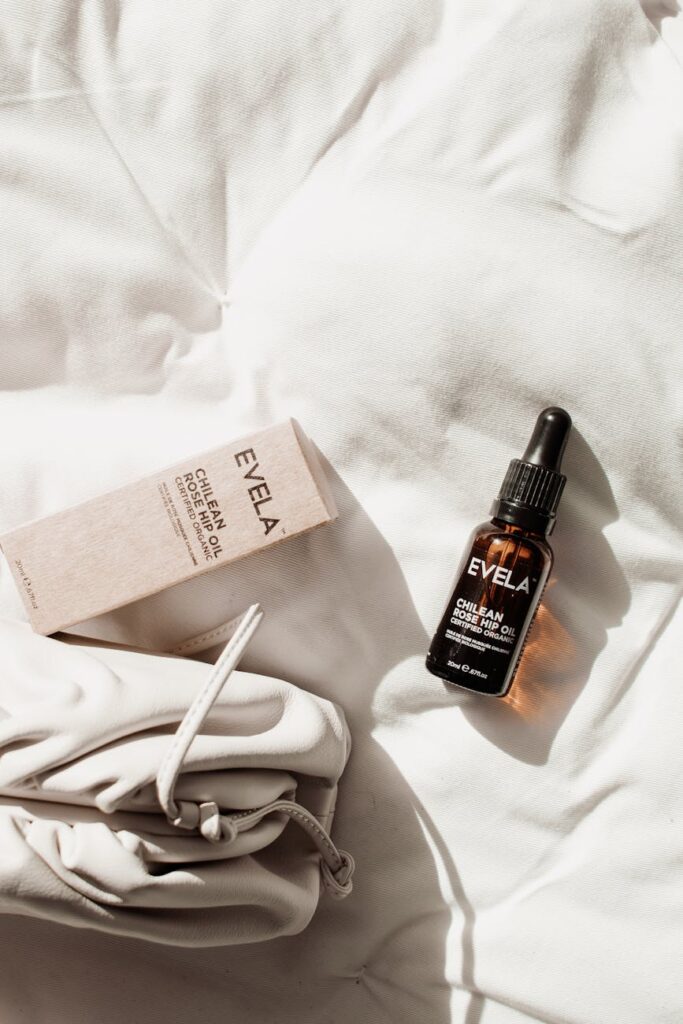
Complete Guide to Rosehip Oil Part 2
Introduction
Rosehip oil, extracted from the seeds of the wild rose (Rosa canina), has gained significant attention in the realm of natural skincare and aromatherapy. Known for its rich nutritional profile, this oil offers a myriad of benefits that extend beyond cosmetic applications. In this second part of our guide, we delve deeper into the properties, uses, aromatherapy applications, and safety considerations surrounding rosehip oil, providing a comprehensive resource for enthusiasts and practitioners alike.
What Is Rosehip Oil?
Rosehip oil is a carrier oil derived from the seeds of the rosehip fruit, which is the fruit of the wild rose plant. This oil is renowned for its light texture and ability to penetrate the skin easily, making it a popular choice in various formulations. Rich in essential fatty acids, vitamins, and antioxidants, rosehip oil has been utilized for centuries in traditional medicine and skincare practices.
The oil is characterized by its golden to reddish-orange hue, which is attributed to its high concentration of carotenoids, including beta-carotene. These carotenoids are responsible for the oil’s numerous skin benefits, including promoting healthy skin and reducing the appearance of scars and fine lines.
Key Benefits and Properties
Nutritional Profile
Rosehip oil boasts a wealth of essential fatty acids, primarily linoleic acid (omega-6) and alpha-linolenic acid (omega-3). These fatty acids are crucial for maintaining skin health, supporting moisture retention, and promoting skin barrier function. Additionally, rosehip oil is rich in vitamins A, C, and E, all of which contribute to its antioxidant properties.
Skin Regeneration
Rosehip oil is often lauded for its ability to promote skin regeneration. The oil is believed to stimulate collagen production, aiding in the reduction of scars, stretch marks, and signs of aging. Its high levels of vitamin A, particularly in the form of trans-retinoic acid, play a pivotal role in skin cell turnover and repair.
Hydration and Moisture Retention
The oil’s emollient properties make it an effective moisturizer for various skin types. It helps to hydrate the skin, preventing moisture loss and maintaining a healthy, plump appearance. Its lightweight texture allows it to be easily absorbed, making it suitable for use in both day and night routines.
Antioxidant Protection
Rich in antioxidants, rosehip oil provides protection against environmental stressors such as UV radiation and pollution. The presence of vitamin C, in particular, helps to neutralize free radicals, reducing oxidative stress on the skin and promoting a more youthful appearance.
Anti-Inflammatory Properties
Rosehip oil exhibits anti-inflammatory properties that can help soothe irritated skin. This makes it beneficial for conditions such as eczema and rosacea, where inflammation plays a significant role. Its calming effect can contribute to an overall improvement in skin health.
Common Uses
Skincare
Rosehip oil is widely used in skincare products, including serums, moisturizers, and facial oils. It can be applied directly to the skin or mixed with other carrier oils for enhanced benefits. Its versatility allows it to be incorporated into various formulations, catering to different skin types and concerns.
Hair Care
In addition to its skincare applications, rosehip oil can be utilized in hair care. It can help to nourish and hydrate the hair, promoting shine and reducing frizz. A few drops can be added to hair masks or used as a leave-in conditioner for added moisture.
Massage Oil
Due to its lightweight nature and skin-penetrating properties, rosehip oil is an excellent choice for massage oil blends. It can be mixed with essential oils to create a soothing experience while providing additional benefits to the skin.
DIY Beauty Recipes
Rosehip oil is a popular ingredient in DIY beauty recipes. It can be used to create facial masks, scrubs, and body lotions, allowing individuals to customize their beauty regimen according to their specific needs.
Aromatherapy Applications
While rosehip oil is primarily known for its skincare benefits, it can also play a role in aromatherapy. When combined with essential oils, it can be used in diffusers, massage blends, or bath products to create a calming atmosphere.
Blending with Essential Oils
Rosehip oil can be blended with various essential oils to enhance its aromatic properties. For instance, it pairs well with lavender for relaxation, geranium for skin balancing, and frankincense for its grounding effects. The addition of essential oils not only elevates the sensory experience but also enhances the therapeutic benefits.
Emotional Well-Being
In aromatherapy, rosehip oil can contribute to emotional well-being. Its soothing properties may help alleviate stress and anxiety when used in conjunction with calming essential oils. This makes it a valuable addition to self-care routines aimed at promoting relaxation and tranquility.
Safety Considerations
Patch Testing
Before using rosehip oil, it is advisable to conduct a patch test to check for any adverse reactions. Apply a small amount of oil to a discreet area of skin and observe for any signs of irritation or allergic reactions over 24 hours.
Dilution
Rosehip oil is considered safe for topical use when properly diluted. It is often used as a carrier oil for essential oils, and it is recommended to dilute essential oils to a safe concentration before applying them to the skin.
Pregnancy and Nursing
Although rosehip oil is generally regarded as safe, pregnant or nursing individuals should consult with a healthcare professional before incorporating it into their routine, especially in larger quantities.
Storage
To maintain the oil’s quality, it should be stored in a cool, dark place away from direct sunlight. Proper storage can help prevent oxidation and prolong the oil’s shelf life.
Storage and Shelf Life
Rosehip oil has a shelf life of approximately 6 to 12 months, depending on storage conditions. To maximize freshness and efficacy, it is essential to:
- Store in a dark glass bottle to minimize light exposure.
- Keep in a cool, dry place, ideally in a refrigerator.
- Ensure the bottle is tightly sealed to prevent air exposure.
Regularly check for any changes in color, smell, or texture, which may indicate that the oil has gone bad.
Frequently Asked Questions
Can rosehip oil be used on all skin types?
Yes, rosehip oil is suitable for various skin types, including dry, oily, and sensitive skin. Its lightweight texture allows for easy absorption, making it versatile for different applications.
Is rosehip oil non-comedogenic?
Rosehip oil is considered non-comedogenic, meaning it is unlikely to clog pores. This makes it a favorable option for individuals with acne-prone skin.
How often should I use rosehip oil?
Rosehip oil can be used daily, either in the morning or evening skincare routine. Depending on individual preferences and skin needs, it can be applied alone or mixed with other products.
Can rosehip oil help with acne scars?
Rosehip oil is often recommended for improving the appearance of scars, including acne scars, due to its rich content of essential fatty acids and vitamins that support skin regeneration.
Is rosehip oil safe for children?
While rosehip oil is generally safe, it is advisable to consult with a healthcare professional before using it on children, especially if they have sensitive skin or allergies.
In conclusion, rosehip oil stands as a versatile and beneficial oil in both skincare and aromatherapy. Its rich profile of nutrients and properties makes it a valuable addition to any natural health regimen. By understanding its uses, benefits, and safety considerations, individuals can effectively incorporate rosehip oil into their daily routines, enhancing their overall well-being.