
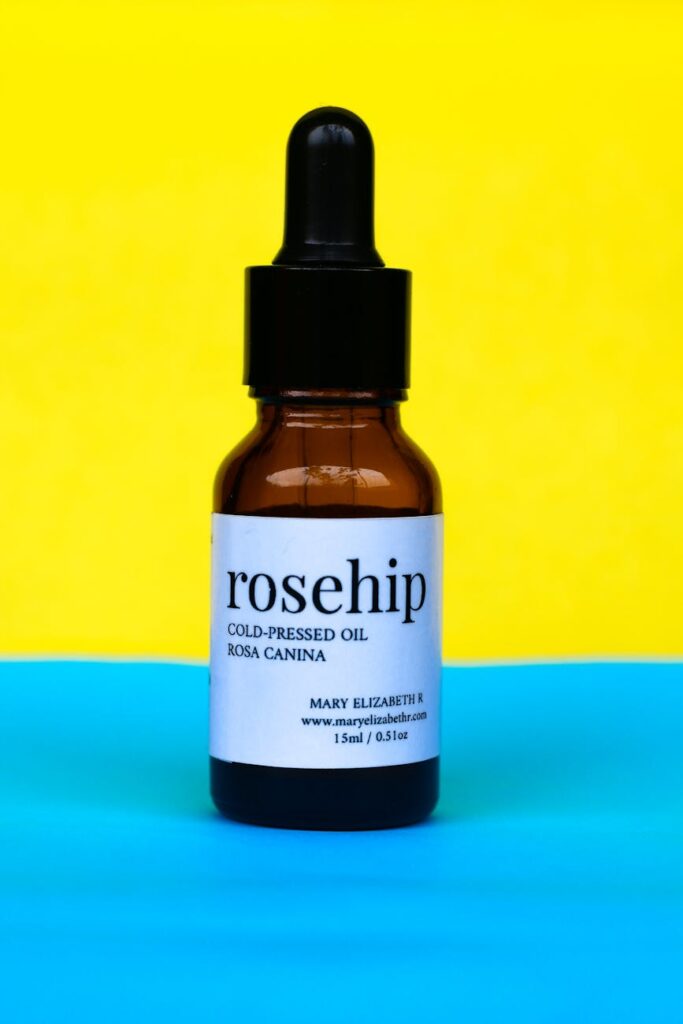
Complete Guide to Rosehip Oil Part 3
Introduction
Rosehip oil, derived from the seeds of the wild rose bush (Rosa canina), has gained popularity as a versatile and beneficial oil in both skincare and aromatherapy. This article aims to provide a comprehensive understanding of rosehip oil, including its properties, benefits, common uses, and safety considerations. Additionally, we will explore how rosehip oil can be integrated into aromatherapy practices.
What Is Rosehip Oil?
Rosehip oil is extracted from the seeds of the rosehip fruit, which is the pod that remains after the rose flower has bloomed and fallen away. The extraction process typically involves cold-pressing the seeds, which helps retain the oil’s natural properties and nutrients. Rich in essential fatty acids, vitamins, and antioxidants, rosehip oil has been used for centuries in traditional medicine and skincare practices.
Composition
The oil is primarily composed of:
- Fatty Acids: Linoleic acid (omega-6), oleic acid (omega-9), and alpha-linolenic acid (omega-3).
- Vitamins: High in vitamin A (retinol), vitamin C, and vitamin E.
- Antioxidants: Contains carotenoids, flavonoids, and polyphenols.
- Facial Oil: Used alone or mixed with other carrier oils, rosehip oil can be applied directly to the skin.
- Serums: Often combined with other beneficial ingredients, rosehip oil is a key component in many serums.
- Moisturizers: Incorporated into creams and lotions to enhance hydration and skin health.
These components contribute to the oil’s unique properties and efficacy in various applications.
Key Benefits and Properties
Rosehip oil boasts numerous benefits, making it a sought-after ingredient in skincare and wellness products. Here are some key properties:
1. Moisturizing
The high content of essential fatty acids helps to hydrate and nourish the skin, making rosehip oil a valuable addition to moisturizing formulations.
2. Anti-Aging
Rich in antioxidants and vitamin A, rosehip oil is believed to promote skin regeneration and reduce the appearance of fine lines and wrinkles.
3. Skin Repair
Rosehip oil has been associated with healing properties, potentially aiding in the reduction of scars, stretch marks, and hyperpigmentation.
4. Anti-Inflammatory
The oil’s anti-inflammatory properties can help soothe irritated skin and conditions such as eczema and psoriasis.
5. Brightening
The presence of vitamin C may assist in brightening the skin and improving overall complexion by promoting an even skin tone.
Common Uses
Rosehip oil is a versatile oil that can be used in various ways, including:
1. Skincare
2. Hair Care
Rosehip oil can be used as a hair treatment to nourish and strengthen hair, reduce frizz, and promote shine.
3. Massage Oil
When diluted with a carrier oil, rosehip oil can be used for massage, providing both relaxation and skin benefits.
4. Aromatherapy Blends
Rosehip oil can be combined with essential oils in aromatherapy applications, enhancing the therapeutic effects of the blend.
Aromatherapy Applications
Though rosehip oil is often celebrated for its skincare benefits, it also plays a role in aromatherapy.
1. Emotional Well-Being
In aromatherapy, rosehip oil is believed to promote emotional balance and well-being. Its soothing properties can help alleviate stress and anxiety when included in massage blends or diffused with other essential oils.
2. Skin-Centric Blends
Rosehip oil can be blended with essential oils like lavender, chamomile, or geranium to create a calming skincare regimen that enhances the skin’s health while providing aromatic benefits.
3. Bathing Rituals
Adding a few drops of rosehip oil to bathwater can create a luxurious and hydrating bathing experience, promoting relaxation and skin nourishment.
4. Custom Formulations
Rosehip oil can be tailored into personalized blends, synergizing with essential oils to address specific emotional or physical needs, such as promoting restful sleep or boosting energy.
Safety Considerations
While rosehip oil is generally considered safe for topical use, it is essential to adhere to some safety guidelines:
1. Patch Test
Before applying rosehip oil to larger areas of the skin, conduct a patch test on a small area to check for allergic reactions or sensitivities.
2. Dilution
When using rosehip oil for massage or in personal care formulations, it is advisable to dilute it with a carrier oil, especially for sensitive skin.
3. Pregnancy and Nursing
Consult a healthcare professional before using rosehip oil during pregnancy or while nursing, as individual responses may vary.
4. Avoid Sensitive Areas
Avoid contact with the eyes and mucous membranes. If contact occurs, rinse thoroughly with water.
Storage and Shelf Life
To maintain the quality of rosehip oil, proper storage is crucial:
1. Container
Store rosehip oil in a dark glass bottle to protect it from light, which can degrade its quality over time.
2. Temperature
Keep the oil in a cool, dark place, away from direct sunlight and heat sources.
3. Shelf Life
Typically, rosehip oil has a shelf life of 6 to 12 months when stored correctly. Check for any changes in color, smell, or texture before use, as these may indicate rancidity.
Frequently Asked Questions
1. Can rosehip oil be used on all skin types?
Yes, rosehip oil is generally suitable for all skin types, including sensitive skin. However, individual reactions may vary, so a patch test is recommended.
2. How often should I use rosehip oil?
For skincare, using rosehip oil once or twice daily is common. Adjust based on your skin’s needs and personal preferences.
3. Can I use rosehip oil during the day?
Yes, rosehip oil can be used during the day. However, if you are using it for its anti-aging benefits, consider pairing it with sunscreen for added protection.
4. Is rosehip oil safe for use on the face?
Rosehip oil is often used on the face due to its nourishing and moisturizing properties. It can be applied directly or mixed with other skincare products.
5. Can rosehip oil be ingested?
Rosehip oil is primarily intended for topical use. If considering ingestion, consult a healthcare professional for guidance.
Conclusion
Rosehip oil is a multifaceted oil that offers a range of benefits for both skin health and emotional well-being. Its rich composition of fatty acids, vitamins, and antioxidants makes it a valuable addition to skincare routines and aromatherapy practices. By understanding its properties, uses, and safety considerations, individuals can fully appreciate the potential of rosehip oil in their personal care and wellness journeys.