
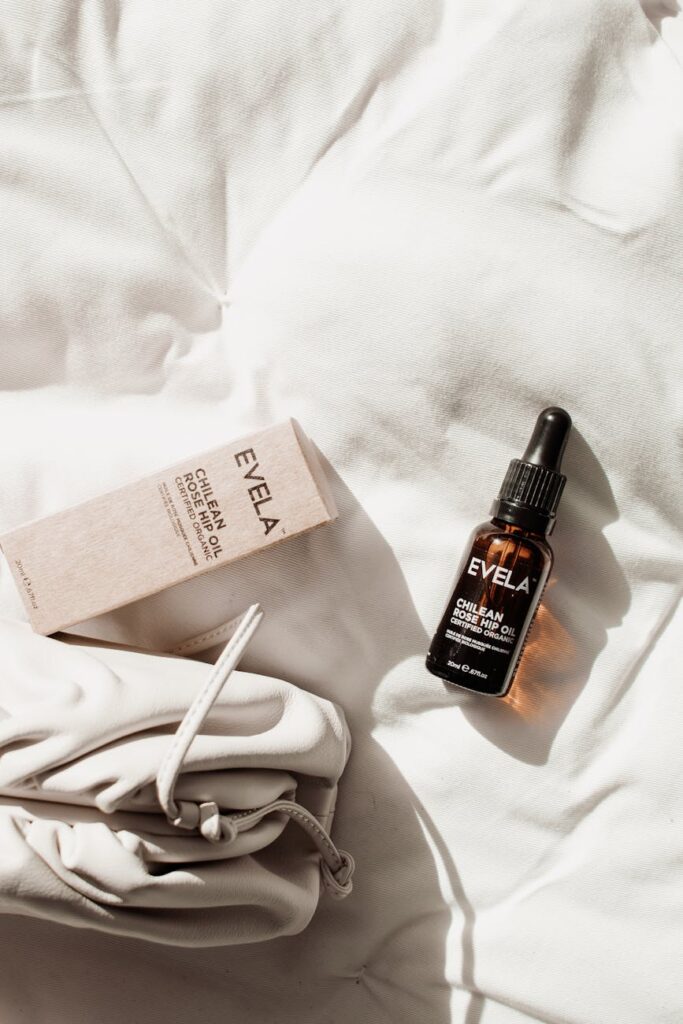
Complete Guide to Rosehip Oil Part 3
Introduction
Rosehip oil has gained significant popularity in recent years, recognized for its diverse range of benefits and applications. Extracted from the seeds of the wild rose, Rosa canina, this oil is rich in nutrients and has been used for centuries in various cultures for skincare and wellness. In this article, we will explore what rosehip oil is, its key benefits, common uses, applications in aromatherapy, safety considerations, storage tips, and address some frequently asked questions to provide a comprehensive understanding of this remarkable oil.
What Is Rosehip Oil?
Rosehip oil is a carrier oil derived from the seeds of the rosehip fruit, which is the small, red or orange fruit that remains after the rose flowers have bloomed and shed their petals. The extraction process typically involves cold-pressing the seeds to ensure that the oil retains its beneficial properties. This oil is known for its light texture and rapid absorption into the skin, making it a preferred choice for many skincare enthusiasts.
Rich in essential fatty acids, vitamins, and antioxidants, rosehip oil is a natural powerhouse that contributes to skin health and overall wellness. It is particularly well-regarded for its high content of omega-3 and omega-6 fatty acids, as well as vitamins A, C, and E, which play crucial roles in maintaining skin vitality and combating oxidative stress.
Key Benefits and Properties
Rosehip oil is celebrated for its numerous benefits, which can be attributed to its unique composition. Here are some of the key properties and benefits:
1. Moisturizing Properties
Rosehip oil is an excellent emollient, helping to hydrate and nourish the skin. Its fatty acids provide a moisture barrier that can prevent water loss, making it suitable for various skin types, including dry and sensitive skin.
2. Rich in Antioxidants
The oil contains powerful antioxidants such as vitamin C and beta-carotene, which help protect the skin from damage caused by free radicals and environmental stressors. These antioxidants can aid in promoting a more youthful appearance.
3. Supports Skin Regeneration
Rosehip oil is known for its ability to support skin regeneration and repair. It may help reduce the appearance of scars, fine lines, and hyperpigmentation, promoting an even skin tone and texture.
4. Anti-Inflammatory Properties
The oil possesses anti-inflammatory properties that can help soothe irritated skin and reduce redness. This makes it beneficial for individuals with conditions such as eczema or rosacea.
5. Enhances Skin Elasticity
Regular use of rosehip oil can improve skin elasticity, making it appear firmer and more toned. This is particularly beneficial for aging skin.
Common Uses
Rosehip oil is versatile and can be utilized in various ways. Some of the most common uses include:
1. Skincare
Rosehip oil is frequently used as a facial oil or serum. It can be applied directly to the skin or blended with other oils or creams to enhance its moisturizing and nourishing properties.
2. Hair Care
Due to its moisturizing characteristics, rosehip oil can be used to condition and nourish hair. It can help improve shine, reduce frizz, and promote scalp health.
3. Massage Oil
Rosehip oil can be used as a base oil for massage. Its light texture allows for smooth application, while its soothing properties can enhance relaxation.
4. DIY Products
Many people incorporate rosehip oil into homemade beauty products, such as lotions, creams, and hair masks, to enhance their effectiveness.
Aromatherapy Applications
In the realm of aromatherapy, rosehip oil is primarily used for its therapeutic properties rather than for its scent, as it has a mild, earthy aroma. However, it can be blended with other essential oils to create synergistic effects. Here are some common applications:
1. Blending with Essential Oils
Rosehip oil can serve as a carrier oil for essential oils, allowing for safe application on the skin. It can be combined with oils such as lavender, frankincense, or chamomile to promote relaxation and skin rejuvenation.
2. Skin Treatments
In aromatherapy sessions focused on skincare, rosehip oil can be applied to target specific skin issues, such as dryness, scars, or uneven skin tone, while enjoying the calming effects of complementary essential oils.
3. Relaxation and Stress Relief
While it is not used for its fragrance, the soothing properties of rosehip oil can enhance the overall experience of an aromatherapy session, particularly when combined with calming oils.
Safety Considerations
While rosehip oil is generally regarded as safe for topical use, there are some considerations to keep in mind:
1. Patch Test
It is advisable to perform a patch test before using rosehip oil, especially for those with sensitive skin. Apply a small amount to a discreet area and observe for any adverse reactions over 24 hours.
2. Pregnancy and Nursing
Although rosehip oil is considered safe for topical use, individuals who are pregnant or nursing should consult with a healthcare professional before incorporating it into their routine.
3. Allergies
Those with a known allergy to roses or similar plants should exercise caution and consult with a healthcare provider before using rosehip oil.
Storage and Shelf Life
Proper storage of rosehip oil is essential to maintain its quality and effectiveness. Here are some guidelines:
1. Storage Conditions
Store rosehip oil in a cool, dark place, away from direct sunlight and heat. Exposure to light and warmth can degrade the oil and diminish its beneficial properties.
2. Container
It is best to keep rosehip oil in a dark glass bottle, which helps protect it from light exposure. Ensure the cap is tightly sealed to prevent oxidation.
3. Shelf Life
Typically, rosehip oil has a shelf life of about six months to one year when stored properly. However, it’s wise to check for any off-smells or changes in appearance before use, as these may indicate that the oil has gone rancid.
Frequently Asked Questions
1. Can rosehip oil be used on all skin types?
Yes, rosehip oil is suitable for various skin types, including dry, oily, and sensitive skin. Its lightweight texture and nourishing properties make it versatile for different needs.
2. How often should I use rosehip oil?
You can use rosehip oil daily, depending on your skincare routine. It can be applied in the morning and evening, either alone or mixed with other products.
3. Is rosehip oil safe for sensitive skin?
Generally, rosehip oil is well-tolerated by sensitive skin. However, as with any new product, it’s advisable to perform a patch test to rule out any adverse reactions.
4. Can rosehip oil be used on the body?
Yes, rosehip oil can be used on the body to moisturize dry areas, improve skin texture, and reduce the appearance of scars.
5. How do I incorporate rosehip oil into my skincare routine?
Rosehip oil can be used as a standalone treatment or mixed with your regular moisturizer. It can also be added to other serums or creams to enhance their benefits.
Conclusion
Rosehip oil is a remarkable natural oil that offers a plethora of benefits for skin and overall wellness. Its rich nutritional profile, combined with its versatility in use, makes it a valuable addition to any skincare or aromatherapy routine. By understanding its properties, applications, and safe usage, individuals can harness the power of rosehip oil to promote healthy, radiant skin. Whether you are exploring it for its moisturizing qualities or as a nourishing component in your beauty regimen, rosehip oil stands out as a timeless and effective ingredient in holistic health.