
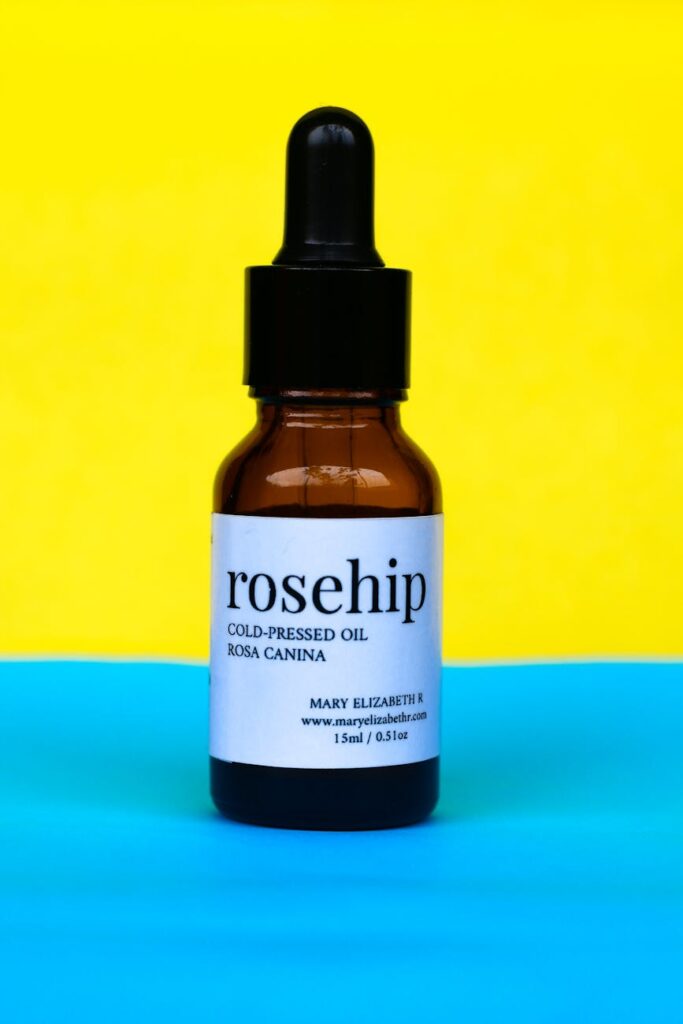
Complete Guide to Rosehip Oil Part 4
Introduction
Rosehip oil has garnered significant attention in recent years due to its multitude of benefits, particularly in skincare and aromatherapy. Derived from the seeds of the wild rose bush, this oil is rich in essential fatty acids, vitamins, and antioxidants, making it a versatile addition to various wellness and beauty practices. In this article, we will explore the properties, benefits, common uses, and safety considerations associated with rosehip oil.
What Is Rosehip Oil?
Rosehip oil is extracted from the seeds of the rosehip fruit, which is the fruit of the Rosa canina plant, commonly known as the wild rose. The oil is typically cold-pressed to retain its beneficial properties. Rosehips are often found in regions of Europe, South America, and North Africa, where the climate is conducive to their growth. The oil has a light texture and is characterized by its orange-red color, which is indicative of its high content of carotenoids and other pigments.
Key Benefits and Properties
Nutrient-Rich Composition
Rosehip oil is celebrated for its rich composition, which includes:
- Essential Fatty Acids: Predominantly linoleic (Omega-6) and alpha-linolenic (Omega-3) acids, these fatty acids contribute to skin hydration and barrier function.
- Vitamins: Rosehip oil is an excellent source of Vitamin C, Vitamin A (in the form of retinoids), and Vitamin E, all of which are vital for skin health and rejuvenation.
- Antioxidants: The oil contains antioxidants like flavonoids and carotenoids, which help combat oxidative stress and free radicals.
- Facial Oils: It can be used alone or blended with other oils for a nourishing facial treatment.
- Creams and Lotions: Many commercial skincare products incorporate rosehip oil for added hydration and anti-aging benefits.
- Serums: Concentrated formulations often feature rosehip oil due to its regenerative properties.
- Storage: Store the oil in a cool, dark place, away from direct sunlight and heat. A dark glass bottle is ideal for preserving its properties.
- Shelf Life: Typically, rosehip oil has a shelf life of about 6 to 12 months. An oil that has gone rancid will have an off smell and should be discarded.
Skin Rejuvenation
One of the most notable benefits of rosehip oil is its ability to promote skin regeneration. Due to its high vitamin A content, it can aid in reducing the appearance of scars, fine lines, and age spots. Regular application may lead to a more even skin tone and a smoother texture.
Anti-Inflammatory Properties
The essential fatty acids in rosehip oil contribute to its anti-inflammatory properties. This makes it beneficial for soothing conditions like eczema and psoriasis, providing relief from irritation and redness.
Moisturizing Effects
The oil’s lightweight texture allows it to be easily absorbed by the skin, delivering hydration without feeling greasy. This makes it an excellent choice for all skin types, particularly for those with oily or combination skin.
Common Uses
Skincare
Rosehip oil is widely used in various skincare formulations, including:
Haircare
Rosehip oil can also be beneficial for hair health. It helps to moisturize the scalp and may improve the overall appearance of hair by adding shine and reducing frizz.
Body Care
In addition to facial applications, rosehip oil is often used in body lotions and creams, particularly for areas prone to dryness and irritation.
Aromatherapy Applications
In aromatherapy, rosehip oil is valued for its uplifting and soothing properties. While it is not typically used for diffusion, it can be blended with essential oils to enhance therapeutic effects. Here are some popular applications:
Blending with Essential Oils
Rosehip oil can be combined with essential oils such as lavender, chamomile, or sandalwood to create a calming massage oil or skincare blend.
Skin Healing Formulations
In aromatherapy, rosehip oil is often used in formulations aimed at healing and rejuvenating the skin. It can be particularly effective when blended with oils known for their healing properties, such as helichrysum or geranium.
Diffuser Blends
While rosehip oil itself is not used in diffusers, it can be part of a topical application that is applied before or after a diffuser session, enhancing the overall aromatic experience.
Safety Considerations
Patch Testing
Before using rosehip oil, it is advisable to conduct a patch test, especially for those with sensitive skin. Apply a small amount to a discreet area and monitor for any adverse reactions.
Allergies
Individuals with allergies to roses or other members of the Rosaceae family should exercise caution when using rosehip oil.
Pregnancy and Nursing
While rosehip oil is generally considered safe for topical application, pregnant or nursing individuals should consult with a healthcare professional before incorporating it into their routines.
Storage and Shelf Life
Rosehip oil has a relatively short shelf life compared to other carrier oils. To ensure its longevity:
Frequently Asked Questions
1. What skin types can benefit from rosehip oil?
Rosehip oil is suitable for all skin types, including oily, dry, sensitive, and combination skin. Its lightweight texture allows it to be absorbed without clogging pores.
2. Can rosehip oil help with acne?
While rosehip oil is not a treatment for acne, its anti-inflammatory properties may help reduce the appearance of acne scars and promote skin healing.
3. How often should I use rosehip oil?
Frequency of use can vary based on individual preferences and skin type. Generally, applying rosehip oil once or twice daily can yield beneficial results.
4. Can I use rosehip oil on my hair?
Yes, rosehip oil can be beneficial for hair health. It can be applied to the scalp and hair to moisturize and add shine.
5. Is rosehip oil safe for sensitive skin?
While many people with sensitive skin tolerate rosehip oil well, it is always best to perform a patch test before extensive use.
Conclusion
Rosehip oil stands out as a potent natural remedy with a rich history of use in skincare and aromatherapy. Its versatile applications, nutrient-dense profile, and numerous benefits make it an essential addition to any wellness routine. However, as with any natural product, it is important to use it thoughtfully and with consideration of individual skin types and needs. By understanding the properties and uses of rosehip oil, individuals can make informed choices to support their health and beauty goals.