
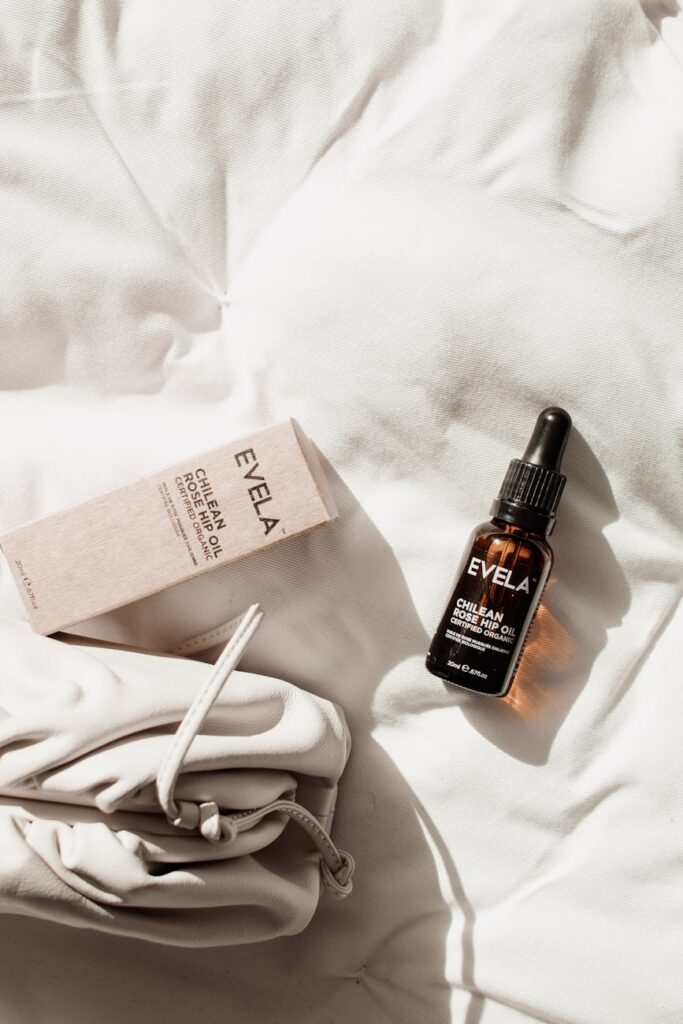
Complete Guide to Rosehip Oil Part 4
Introduction
Rosehip oil has gained significant attention in the realms of skincare and aromatherapy due to its multitude of benefits and rich nutrient profile. Derived from the seeds of the wild rose plant, this oil is renowned not only for its cosmetic applications but also for its potential emotional and psychological advantages. This article, the fourth in a comprehensive series, will delve into the various aspects of rosehip oil, including its composition, benefits, common uses, and safety considerations.
What Is Rosehip Oil?
Rosehip oil is extracted from the seeds of the Rosa canina plant, commonly known as the dog rose. The oil is typically obtained through cold-pressing the seeds, ensuring that its delicate properties are preserved. This oil is characterized by its light texture and is celebrated for its vibrant orange to reddish color, which is indicative of its high content of carotenoids.
The wild rose plant flourishes in various regions, particularly in Europe, North Africa, and parts of South America. Rosehip oil has been utilized for centuries, dating back to ancient civilizations for both its cosmetic and therapeutic properties. Its rich composition includes essential fatty acids, vitamins, and antioxidants, making it a valuable addition to many skincare formulations and wellness practices.
Key Benefits and Properties
Rosehip oil is lauded for its diverse array of beneficial properties. Below are some of the key advantages attributed to this remarkable oil:
1. Nutrient-Rich Composition
The oil is packed with essential fatty acids, particularly linoleic acid (omega-6) and alpha-linolenic acid (omega-3), which aid in maintaining the skin’s barrier and enhancing moisture retention. Additionally, it contains vitamins A, C, and E, all of which contribute to skin health.
2. Antioxidant Properties
Rich in antioxidants, rosehip oil helps to combat oxidative stress caused by free radicals. This can assist in reducing the visible signs of aging, such as wrinkles and fine lines, while promoting a more youthful appearance.
3. Skin Hydration and Nourishment
Rosehip oil is known for its ability to hydrate and nourish the skin. Its lightweight texture allows for quick absorption, making it suitable for various skin types, including oily and sensitive skin.
4. Support for Skin Repair
The oil is often praised for its potential to support skin repair. Its composition may aid in diminishing the appearance of scars, stretch marks, and hyperpigmentation, promoting an even skin tone.
5. Anti-Inflammatory Effects
Due to its anti-inflammatory properties, rosehip oil can help soothe irritated skin and may be beneficial for conditions such as eczema and rosacea.
6. Emotional Well-being
In aromatherapy, rosehip oil is often used to promote emotional balance and well-being. Its subtle, sweet aroma may evoke feelings of comfort and warmth, making it a popular choice for relaxation and self-care rituals.
Common Uses
Rosehip oil’s versatility makes it suitable for a variety of applications, particularly in skincare and beauty routines. Here are some common uses:
1. Facial Moisturizer
As a lightweight moisturizer, rosehip oil can be applied directly to the face or blended with other creams and serums to enhance hydration.
2. Scar Treatment
Many individuals use rosehip oil to help reduce the appearance of scars and stretch marks due to its skin-repairing properties.
3. Makeup Remover
Its emollient nature makes rosehip oil effective for dissolving makeup, providing a natural alternative to chemical-laden removers.
4. Hair Care
Rosehip oil can also be applied to hair to enhance shine and hydration. A few drops can be massaged into the scalp or applied to the ends of the hair to help manage frizz.
5. Aromatherapy Blends
In aromatherapy, rosehip oil is often blended with other essential oils to create soothing and uplifting blends that promote relaxation.
Aromatherapy Applications
Rosehip oil is not typically used as an essential oil in the same way as more volatile oils, but it can be included in aromatherapy practices for its nourishing properties and gentle aroma. Here are some ways to incorporate rosehip oil into aromatherapy:
1. Carrier Oil
Rosehip oil serves as an excellent carrier oil for diluting essential oils. Blending it with oils such as lavender or chamomile can create a calming massage oil.
2. Skin Care Rituals
In aromatherapy skincare rituals, rosehip oil can be combined with other botanical oils to enhance the nurturing experience. It may be used in facial serums or blended with hydrosols.
3. Inhalation
While not commonly used for inhalation, a few drops of rosehip oil can be added to a diffuser along with essential oils to create a soothing atmosphere.
4. Bath Soaks
Adding rosehip oil to bathwater can enhance the skin’s moisture and provide an aromatic experience. It can be blended with Epsom salts for a rejuvenating soak.
Safety Considerations
While rosehip oil is generally considered safe for topical use, there are several considerations to keep in mind:
1. Skin Sensitivity
Conduct a patch test before applying rosehip oil to larger areas of the skin, especially for those with sensitive skin or allergies. Apply a small amount to a discreet area and observe for any adverse reactions.
2. Storage
Store rosehip oil in a cool, dark place to preserve its quality. The oil is sensitive to light and heat, which can degrade its properties over time.
3. Pregnancy
Although rosehip oil is generally regarded as safe, pregnant or nursing individuals should consult with a healthcare professional before use.
4. Use with Other Products
When incorporating rosehip oil into a skincare routine, consider how it interacts with other products. Avoid combining it with products containing strong active ingredients, such as retinoids or acids, without professional guidance.
Storage and Shelf Life
Proper storage is essential to maintain the integrity of rosehip oil. Here are some tips for optimal storage:
1. Container
Store rosehip oil in dark glass bottles to protect it from light exposure. Clear plastic or glass containers may allow light in, leading to oxidation.
2. Temperature
Keep the oil in a cool environment, away from direct sunlight and heat sources. Ideal storage temperatures range from 50°F to 70°F (10°C to 21°C).
3. Shelf Life
Rosehip oil typically has a shelf life of approximately 6 to 12 months when stored properly. Always check for any changes in smell, color, or consistency before use, as these may indicate that the oil has gone rancid.
Frequently Asked Questions
1. Can rosehip oil be used on all skin types?
Yes, rosehip oil is suitable for various skin types, including oily, dry, and sensitive skin. Its lightweight texture allows for easy absorption without clogging pores.
2. How often should I use rosehip oil?
The frequency of use depends on individual preferences and skin needs. Many people incorporate it into their daily skincare routine, applying it once or twice a day.
3. Is rosehip oil comedogenic?
Rosehip oil is considered non-comedogenic, meaning it is unlikely to clog pores. However, individual reactions may vary, so a patch test is recommended.
4. Can I use rosehip oil on my hair?
Yes, rosehip oil can be beneficial for hair care. It can be applied to the scalp or hair ends to enhance moisture and shine.
5. Can I use rosehip oil during pregnancy?
While rosehip oil is generally regarded as safe, it is advisable to consult with a healthcare professional before use during pregnancy or breastfeeding.
Conclusion
Rosehip oil is a remarkable natural product with a wide range of benefits for both skin and emotional well-being. With its nutrient-rich composition and versatile applications, it has secured a place in many personal care routines. As with any botanical product, understanding its properties, uses, and safety considerations will enable individuals to harness its full potential. Whether used in skincare, hair care, or aromatherapy, rosehip oil continues to be a cherished oil in the world of natural wellness.