
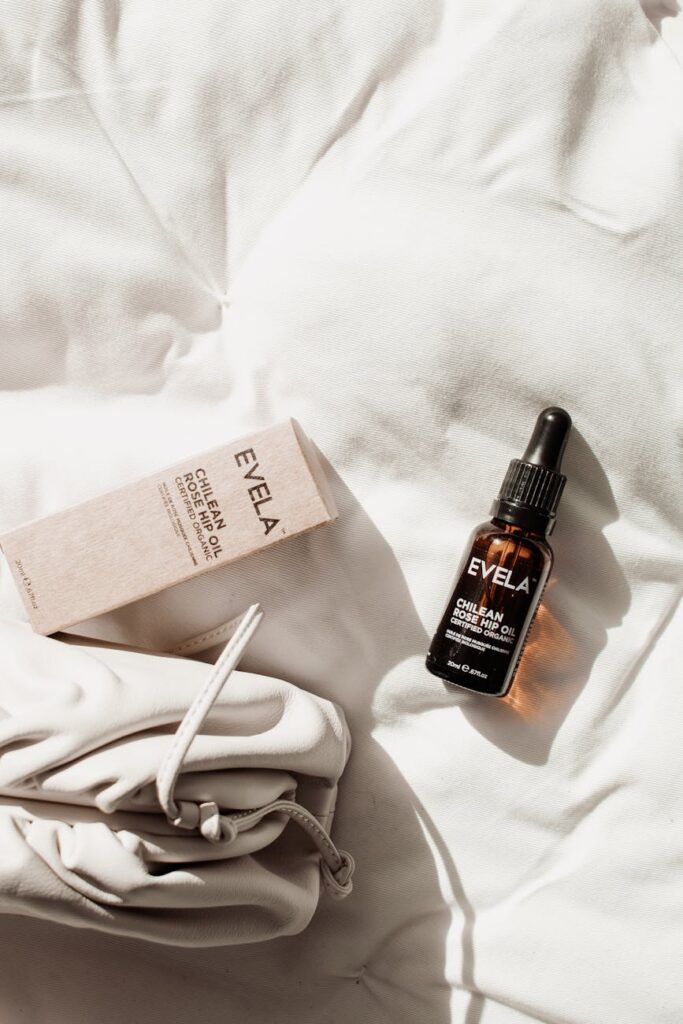
Complete Guide to Rosehip Oil Part 5
Introduction
In the realm of essential oils and natural remedies, rosehip oil stands out for its multifaceted applications and rich history. Derived from the seeds of the wild rose bush, particularly Rosa canina, this oil has garnered significant attention for its potential benefits in skincare, health, and aromatherapy. This guide aims to provide a comprehensive understanding of rosehip oil, exploring its origins, properties, uses, and safety considerations.
What Is Rosehip Oil?
Rosehip oil is a cold-pressed oil extracted from the seeds of the rosehip fruit, which is the small, red-orange fruit that remains after the petals of the rose flower have fallen. The oil is particularly prevalent in regions such as Chile, where the wild rose bush flourishes.
The extraction process involves harvesting the rosehips, removing the seeds, and cold-pressing them to retain the oil’s beneficial properties. Rosehip oil is notable for its light texture and its rich composition of essential fatty acids, vitamins, and antioxidants, which contribute to its popularity in both cosmetic and therapeutic contexts.
Key Benefits and Properties
Nutritional Profile
Rosehip oil boasts an impressive array of nutrients, including:
- Essential Fatty Acids: Primarily oleic, linoleic, and alpha-linolenic acids, which are crucial for maintaining skin barrier function and hydration.
- Vitamins: High levels of Vitamin A (retinol), Vitamin C, and Vitamin E, all of which contribute to skin health and anti-aging properties.
- Antioxidants: Natural compounds that help combat oxidative stress, thereby supporting overall skin vitality.
- Moisturizer: Applied directly to the skin or mixed with other creams or oils to enhance hydration.
- Serum: Used as a facial serum to target specific skin concerns, such as aging, dryness, or uneven skin tone.
- Makeup Remover: Its lightweight texture allows it to effectively dissolve makeup without stripping the skin of its natural oils.
- Lavender: For relaxation and stress relief.
- Frankincense: To promote skin rejuvenation and meditation.
- Geranium: To balance emotions and uplift mood.
Skin Health
The oil is renowned for its ability to nourish and rejuvenate the skin. Its high content of essential fatty acids helps to maintain moisture levels, enhance elasticity, and promote skin regeneration. Additionally, the antioxidant properties of rosehip oil may assist in reducing the appearance of scars, fine lines, and hyperpigmentation.
Anti-Inflammatory Properties
Rosehip oil is recognized for its anti-inflammatory effects, making it beneficial for individuals with sensitive or irritated skin. The oil may help soothe conditions such as eczema and rosacea, promoting overall skin comfort and resilience.
Common Uses
Rosehip oil is versatile and can be utilized in various ways:
Skincare
Hair Care
Rosehip oil can be used as a conditioning treatment for dry or damaged hair. When applied to the scalp, it may help to promote a healthy environment for hair growth and reduce dandruff.
Massage Oil
Due to its smooth texture, rosehip oil can serve as an excellent base for massage oils, providing both hydration and therapeutic benefits during massage therapy.
Aromatherapy Applications
While rosehip oil is primarily used for its topical benefits, it can also be incorporated into aromatherapy practices, often in synergy with other essential oils. Its subtle, floral aroma can enhance emotional well-being and create a calming atmosphere.
Blending with Other Oils
Rosehip oil can be blended with various essential oils to create customized aromatherapy formulations. Popular combinations include:
Diffusion
While not commonly used in diffusers due to its heavier consistency, rosehip oil can be added in small amounts to enhance the therapeutic effects of a blend, especially in topical applications following diffusion.
Safety Considerations
Skin Patch Test
Before using rosehip oil topically, it is advisable to conduct a patch test. Apply a small amount of diluted oil to a discreet area of skin and observe for any adverse reactions over 24 hours.
Allergies and Sensitivities
Individuals with known allergies to roses or related plants should approach rosehip oil with caution. If any irritation occurs upon application, discontinue use and consult a healthcare professional if necessary.
Pregnancy and Breastfeeding
Pregnant and breastfeeding individuals should consult with a qualified health professional before introducing any new oils into their regimen, including rosehip oil.
Storage and Shelf Life
Proper Storage
To maintain the integrity of rosehip oil, it should be stored in a cool, dark place, away from direct sunlight and heat. Using a dark glass container can further protect the oil from light exposure, which can degrade its quality over time.
Shelf Life
Rosehip oil generally has a shelf life of about 6 to 12 months when stored properly. As the oil ages, it may become rancid, so it is essential to check for changes in color, smell, or consistency before use.
Frequently Asked Questions
1. Can rosehip oil be used on all skin types?
Yes, rosehip oil is generally suitable for all skin types, including sensitive and acne-prone skin. Its lightweight nature allows for easy absorption without clogging pores.
2. How often should I use rosehip oil?
Usage frequency can vary based on individual skin needs. Many users apply it once or twice daily, either alone or as part of a skincare routine.
3. Can rosehip oil help with acne scars?
Rosehip oil is often praised for its potential to lighten scars and improve skin texture due to its high vitamin A and antioxidant content. However, results may vary by individual.
4. Is rosehip oil safe for children?
While rosehip oil is generally considered safe, it is advisable to consult a healthcare professional before using any new oils on children’s skin.
5. Can I use rosehip oil under makeup?
Yes, rosehip oil can be used as a moisturizing base before applying makeup. Its lightweight texture allows for a smooth application without feeling greasy.
Conclusion
Rosehip oil is a remarkable natural oil with a rich history and a plethora of benefits, particularly in skincare and aromatherapy applications. Its unique composition of essential fatty acids, vitamins, and antioxidants makes it an invaluable addition to personal care routines. As with any natural product, understanding its properties, uses, and safety considerations is essential for maximizing its benefits. Whether you are looking to enhance your skincare regimen, explore aromatherapy, or simply appreciate the beauty of natural oils, rosehip oil offers a wealth of possibilities.