
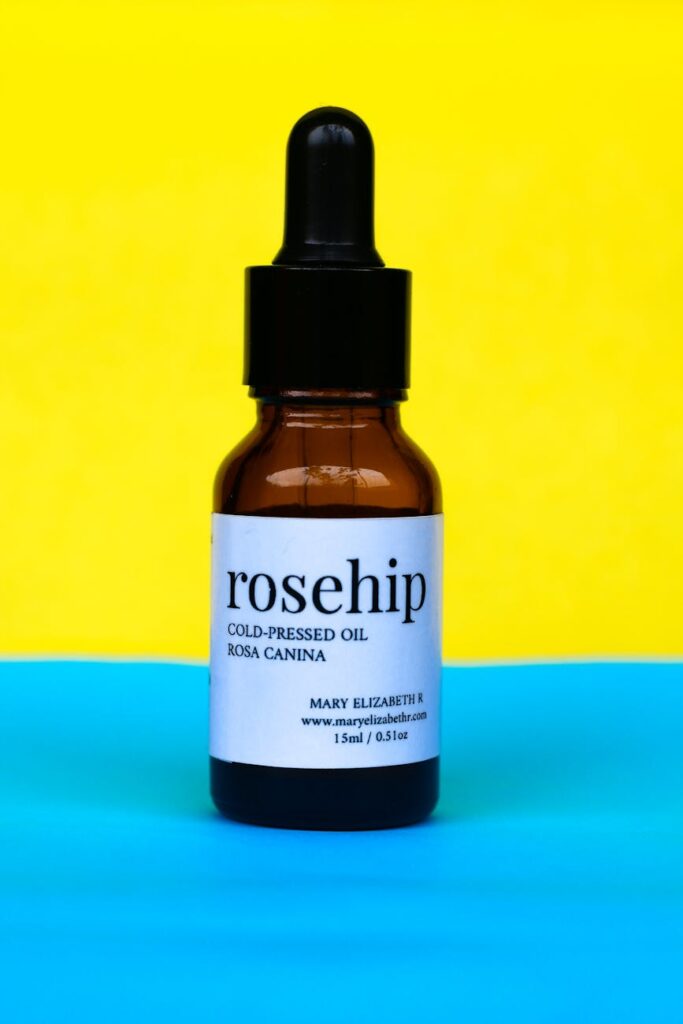
Complete Guide to Rosehip Oil Part 5
Introduction
Rosehip oil has gained significant attention in the realms of skincare, aromatherapy, and holistic wellness. Derived from the seeds of the wild rose plant, specifically Rosa canina, this oil is celebrated for its rich composition of fatty acids, antioxidants, and vitamins. This article delves into the multifaceted aspects of rosehip oil, including its properties, benefits, and applications.
What Is Rosehip Oil?
Rosehip oil is a carrier oil extracted from the seeds of the rosehip fruit, the small, round fruit that develops after the flower of the wild rose has bloomed and shed its petals. The extraction process typically involves cold-pressing the seeds, helping to preserve the oil’s beneficial properties.
This oil is distinct from rose oil, which is extracted from the petals of the rose and is often more expensive and aromatic. Rosehip oil, on the other hand, is lighter, non-greasy, and has a subtle, earthy scent.
Key Benefits and Properties
Rosehip oil is rich in essential fatty acids, particularly linoleic acid (Omega-6) and alpha-linolenic acid (Omega-3), which play crucial roles in maintaining skin health. Additionally, it contains notable levels of vitamins A, C, and E, each providing unique benefits:
1. Moisturizing: The fatty acids in rosehip oil hydrate the skin, making it an excellent moisturizer for dry or damaged skin.
2. Anti-Aging: Vitamin A, known as retinol in its synthetic form, promotes cell regeneration and helps reduce the appearance of fine lines and wrinkles.
3. Brightening: Vitamin C is a powerful antioxidant that helps in skin brightening and may improve the appearance of hyperpigmentation.
4. Healing Properties: The oil is known for its ability to aid in the healing of scars and stretch marks due to its regenerative properties.
5. Anti-Inflammatory: The presence of antioxidants and essential fatty acids can help soothe irritated skin and reduce redness.
Common Uses
Rosehip oil is versatile and can be incorporated into various beauty and wellness routines. Some common uses include:
- Skincare Regimen: It can be applied directly to the skin as a moisturizer or added to creams and lotions to enhance their hydrating properties.
- Makeup Remover: Due to its light texture, rosehip oil can be used as a natural makeup remover, effectively breaking down makeup while nourishing the skin.
- Hair Care: It can be applied to the hair and scalp to promote hydration, shine, and overall hair health.
- Massage Oil: When mixed with other essential oils, rosehip oil can serve as an effective base for massage, providing skin nourishment while delivering a soothing experience.
- Carrier Oil: Due to its light texture and beneficial properties, rosehip oil is an excellent carrier oil for diluting essential oils. This makes it ideal for use in massage blends or skincare products that include essential oils.
- Blending with Essential Oils: Rosehip oil can be combined with essential oils such as lavender, chamomile, or geranium to enhance the therapeutic benefits of the blend. These combinations can promote relaxation, reduce stress, and enhance overall well-being.
- Skin Health in Aromatherapy: The soothing qualities of rosehip oil can complement the calming effects of essential oils, making it a great addition to any skin-focused aromatherapy regimen.
- Patch Test: Before applying rosehip oil to larger areas of the skin, it is advisable to conduct a patch test. Apply a small amount to an inconspicuous area and observe for any adverse reactions over 24 hours.
- Allergies: Individuals with known allergies to roses or related plants should exercise caution and consult a healthcare provider before using rosehip oil.
- Pregnancy and Nursing: While there is limited research on the effects of rosehip oil during pregnancy and nursing, it is best to consult a healthcare professional if you have concerns.
- Storage: Proper storage is essential for maintaining the oil’s quality and efficacy.
- Cool, Dark Place: Store rosehip oil in a cool, dark place, away from direct sunlight and heat. A dark glass bottle is ideal for protecting the oil from light exposure.
- Tightly Sealed: Ensure the bottle is tightly sealed to prevent oxidation, which can degrade the oil’s quality.
- Refrigeration: While not necessary, refrigerating rosehip oil can extend its shelf life, especially in warmer climates.
Aromatherapy Applications
While rosehip oil is primarily recognized for its topical benefits, it can also play a role in aromatherapy, albeit indirectly. Here are some ways rosehip oil can be utilized in this practice:
Safety Considerations
While rosehip oil is generally regarded as safe for most individuals, there are a few considerations to keep in mind:
Storage and Shelf Life
To maximize the shelf life of rosehip oil, consider the following storage guidelines:
Typically, rosehip oil has a shelf life of around 6 to 12 months when stored properly.
Frequently Asked Questions
1. Can rosehip oil be used on all skin types?
Yes, rosehip oil is suitable for most skin types, including sensitive, dry, and oily skin. Its lightweight texture allows it to be absorbed easily without clogging pores.
2. How often should I use rosehip oil?
Frequency of use can vary based on individual skin needs. Generally, applying it once or twice daily is common, either alone or mixed with other products.
3. Is rosehip oil effective for acne?
While rosehip oil is not a direct treatment for acne, its anti-inflammatory properties may help soothe the skin and reduce irritation. It is best used in conjunction with other acne treatments.
4. Can I use rosehip oil on my hair?
Absolutely! Rosehip oil can be beneficial for hair by providing moisture and shine. It can be applied to the scalp or ends of the hair.
5. Are there any side effects of using rosehip oil?
Generally, rosehip oil is well-tolerated. However, some individuals may experience allergic reactions or skin irritation. A patch test is recommended for first-time users.
Conclusion
Rosehip oil is a remarkable oil with a rich profile of beneficial properties that can enhance skin health and overall well-being. Its versatility allows it to be used in various applications, from skincare to aromatherapy. By understanding its benefits, uses, and safety considerations, individuals can make informed choices about incorporating rosehip oil into their daily routines. Always consult a professional for personalized advice and to ensure the best results for your specific needs.