
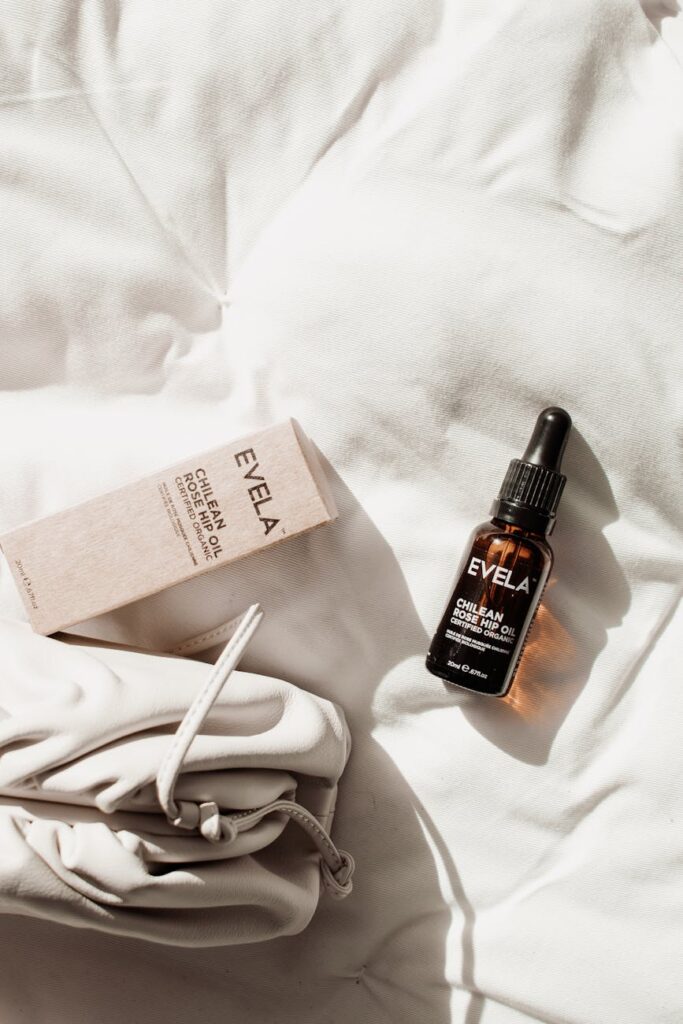
Complete Guide to Rosehip Oil Part 5
Introduction
Rosehip oil, derived from the seeds of the wild rose (Rosa canina), has become increasingly popular in the realm of natural skincare and wellness. The oil is celebrated for its rich composition of essential fatty acids, vitamins, and antioxidants, making it a versatile addition to both cosmetic and therapeutic practices. This guide explores the various aspects of rosehip oil, including its benefits, uses, and applications in aromatherapy.
What Is Rosehip Oil?
Rosehip oil is extracted from the seeds of the rosehip fruit, which is the small, red-orange fruit that remains after a rose flower has bloomed and dropped its petals. The extraction process typically involves cold-pressing the seeds to maintain the integrity of the oil’s beneficial properties. This oil is known for its light texture, making it easily absorbed by the skin without leaving a greasy residue.
The composition of rosehip oil includes essential fatty acids such as omega-3 and omega-6, as well as vitamins A, C, and E. These components contribute to the oil’s nourishing and rejuvenating qualities, which have been utilized for centuries in traditional medicine and skincare.
Key Benefits and Properties
Rosehip oil is revered for its numerous beneficial properties, making it a valuable ingredient in skincare formulations. Some of its key benefits include:
1. Hydration and Moisture Retention
Rich in essential fatty acids, rosehip oil helps maintain the skin’s moisture barrier, ensuring hydration and preventing dryness. It is particularly beneficial for individuals with dry or mature skin types.
2. Anti-Aging Properties
The presence of vitamins A and C in rosehip oil aids in promoting collagen production, which can enhance skin elasticity and reduce the appearance of fine lines and wrinkles. The oil’s antioxidant properties also help combat oxidative stress, which is a significant contributor to aging.
3. Skin Regeneration
Rosehip oil is known for its ability to assist in skin regeneration. Its high content of trans-retinoic acid, a natural form of vitamin A, can support the healing of scars, stretch marks, and other skin imperfections.
4. Soothing Inflammation
The oil possesses anti-inflammatory properties that can help soothe irritated skin conditions such as eczema and rosacea. Its gentle nature makes it suitable for sensitive skin.
5. Brightening Effects
The vitamin C content in rosehip oil can aid in brightening the complexion and improving skin tone, making it a popular choice for individuals looking to achieve a more radiant appearance.
Common Uses
Rosehip oil is versatile and can be incorporated into various beauty and wellness routines. Some common applications include:
1. Skincare
- Facial Oil: Used as a standalone moisturizer or blended with other oils, rosehip oil can be applied directly to the face for enhanced hydration and nourishment.
- Serums: Many skincare formulations include rosehip oil as a key ingredient due to its regenerative properties.
- Eye Creams: Its lightweight texture makes it suitable for delicate areas, helping to reduce puffiness and dark circles.
- Lavender: For a calming and soothing blend.
- Frankincense: To promote skin health and emotional balance.
- Geranium: For its balancing properties on both skin and emotions.
- Cool, Dark Place: Store rosehip oil in a cool, dark place away from direct sunlight to prevent oxidation.
- Tightly Sealed: Ensure the bottle is tightly sealed to minimize exposure to air.
2. Hair Care
Rosehip oil can also be used in hair care products. It helps to hydrate and add shine to dry, brittle hair. A few drops can be applied to the ends to combat split ends and frizz.
3. Massage Oil
When blended with a carrier oil, rosehip oil can serve as a nourishing massage oil, providing relaxation and skin benefits simultaneously.
4. DIY Products
Craft enthusiasts often incorporate rosehip oil into homemade skincare products, such as lip balms, body scrubs, and face masks, to enhance their nutritional profiles.
Aromatherapy Applications
While rosehip oil is not typically used for its aromatic properties, it can be beneficial in aromatherapy practices when blended with other essential oils. The oil’s calming qualities can enhance relaxation during massage or in diffusing blends.
Blending Suggestions
Rosehip oil pairs well with various essential oils, including:
When creating blends, it is essential to consider the desired effects and ensure that the proportions of essential oils to carrier oils are appropriate for safe application.
Safety Considerations
While rosehip oil is generally safe for topical use, some precautions should be taken:
Skin Patch Test
Before using rosehip oil, especially if you have sensitive skin, it is advisable to conduct a patch test. Apply a small amount to an inconspicuous area and monitor for any adverse reactions over 24 hours.
Avoid Contact with Eyes
As with any oil, care should be taken to avoid contact with the eyes. If accidental contact occurs, rinse thoroughly with water.
Consult Professionals
Individuals with specific skin conditions or those who are pregnant should consult a healthcare professional before incorporating new oils into their routines.
Storage and Shelf Life
Proper storage is crucial to maintaining the quality of rosehip oil. Here are some tips:
Storage Conditions
Shelf Life
When stored correctly, rosehip oil typically has a shelf life of about 6 to 12 months. It is advisable to check for any changes in color, scent, or consistency before use, as these may indicate spoilage.
Frequently Asked Questions
1. Can rosehip oil be used on all skin types?
Yes, rosehip oil is suitable for most skin types, including dry, oily, and sensitive skin. Its lightweight texture allows for easy absorption.
2. Is rosehip oil safe for use on the face?
Absolutely. Rosehip oil is often used as a facial oil due to its hydrating and nourishing properties.
3. Can I use rosehip oil during the day?
Yes, rosehip oil can be used both in the morning and evening. However, if used during the day, it is recommended to follow with sunscreen, as some compounds may increase sun sensitivity.
4. How often should I apply rosehip oil?
Application frequency can vary based on individual skin needs. Generally, applying rosehip oil once or twice daily can yield beneficial results.
5. Is it necessary to dilute rosehip oil before use?
Rosehip oil can be used on its own or blended with other carrier oils. If you choose to combine it with essential oils, dilution is recommended.
Conclusion
Rosehip oil is a remarkable natural product with a myriad of benefits for skin and hair care. Its versatility, coupled with its rich nutrient profile, makes it an invaluable addition to any wellness regimen. By understanding its properties, uses, and safety considerations, individuals can make informed choices about incorporating this oil into their daily lives, enhancing both their skincare routines and overall well-being.