
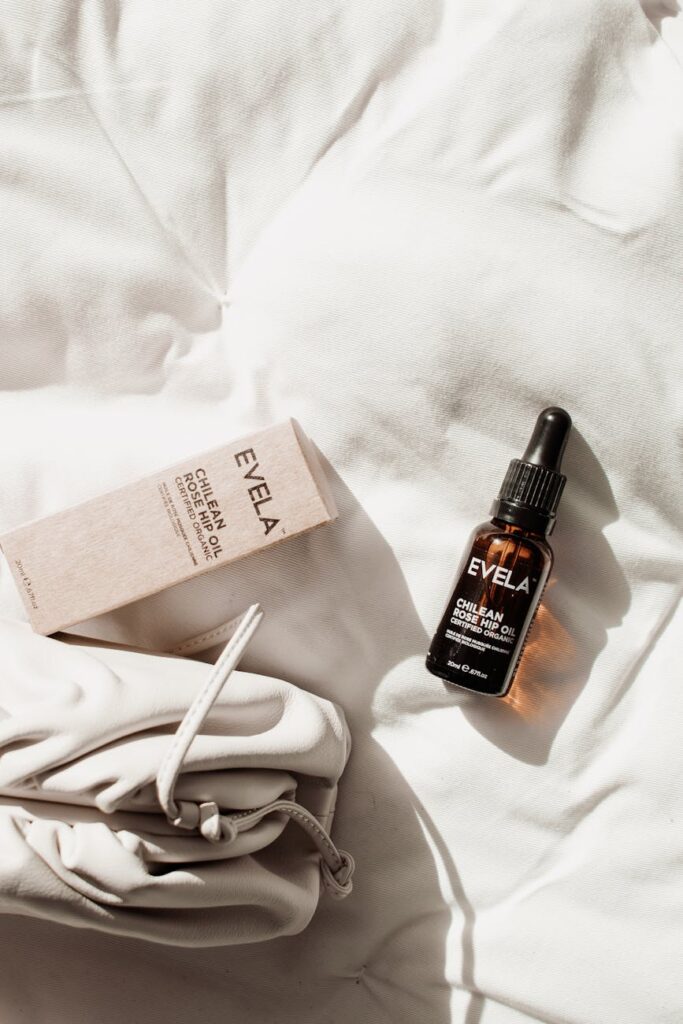
Complete Guide to Rosehip Oil Part 6
Introduction
Rosehip oil has gained significant attention in the world of natural skincare and holistic wellness. Extracted from the seeds of the rosehip fruit, this oil is celebrated for its numerous benefits and versatile applications. In this sixth installment of our comprehensive guide, we will delve deeper into the characteristics of rosehip oil, exploring its properties, uses, and role in aromatherapy, while also providing essential safety considerations and storage tips.
What Is Rosehip Oil?
Rosehip oil is a carrier oil derived from the seeds of the wild rose bush, known scientifically as Rosa canina. Predominantly found in regions such as Chile and Argentina, the oil is extracted through cold pressing, preserving its valuable nutrients and bioactive compounds. Unlike many other oils, rosehip oil is rich in essential fatty acids, vitamins, and antioxidants, making it a popular choice in both skincare and aromatherapy.
The oil is characterized by its light, non-greasy texture and a golden-orange hue, often making it a preferred ingredient in cosmetic formulations. It is renowned for its ability to absorb quickly into the skin, leaving a soft, velvety finish without clogging pores.
Key Benefits and Properties
Rosehip oil is packed with a variety of beneficial components, each contributing to its reputation as a skincare powerhouse. Some of the key benefits and properties include:
- Essential Fatty Acids: Rich in omega-3 and omega-6 fatty acids, rosehip oil helps to nourish and repair the skin barrier, promoting hydration and elasticity.
- Vitamins: It contains high levels of vitamin A (retinol), vitamin C, and vitamin E, which support skin regeneration, collagen production, and protection against oxidative stress.
- Antioxidant Properties: The antioxidants found in rosehip oil help combat free radicals, reducing the signs of aging and promoting a more youthful appearance.
- Anti-inflammatory Effects: Rosehip oil is known for its calming properties, making it suitable for sensitive or irritated skin.
- Scar and Stretch Mark Reduction: Many users report improvements in the appearance of scars and stretch marks, likely due to the oil’s ability to promote skin regeneration.
- Facial Moisturizer: Due to its lightweight texture, rosehip oil can be applied directly to the skin as a daily moisturizer or mixed with a cream for enhanced hydration.
- Serum: It can be used as a concentrated serum, either alone or combined with other oils and essential oils to target specific skin concerns.
- Body Oil: Rosehip oil can be applied to the body post-shower or bath to lock in moisture and improve skin texture.
- Hair Treatment: The nourishing properties of rosehip oil make it an excellent choice for dry or damaged hair, providing hydration and shine.
- Makeup Remover: Its emollient nature allows rosehip oil to effectively dissolve makeup, making it a gentle and natural option for cleansing.
- Carrier Oil: Rosehip oil is often used as a carrier for essential oils in massages and topical applications. Its ability to penetrate the skin helps to deliver the benefits of essential oils more effectively.
- Skin Treatments: When blended with essential oils like lavender, chamomile, or geranium, rosehip oil can be used in formulations aimed at calming skin irritations or promoting relaxation.
- Diffusion: While not typically used in diffusers, rosehip oil can be included in topical applications that are meant to be inhaled, particularly during self-care routines.
- Bath Soaks: Adding rosehip oil to bath water can provide soothing benefits for both the skin and the mind.
- Patch Test: Before applying rosehip oil to larger areas of the skin, it is advisable to conduct a patch test. Apply a small amount to an inconspicuous area and wait 24 hours to check for any adverse reactions.
- Pregnancy and Nursing: Although rosehip oil is often regarded as safe, pregnant or nursing individuals should consult with a healthcare provider before use.
- Allergies: Those with known allergies to roses or related plants should exercise caution and consult with a healthcare professional before using rosehip oil.
- Dilution: When blending with essential oils, ensure that rosehip oil is adequately diluted to reduce the risk of skin irritation.
- Cool, Dark Place: Store rosehip oil in a cool, dark location away from direct sunlight and heat sources. This will help to prevent oxidation and extend its shelf life.
- Glass Containers: Ideally, rosehip oil should be kept in a dark glass bottle to protect it from light exposure. Avoid plastic containers, which can leach chemicals into the oil.
- Refrigeration: For longer shelf life, some users opt to store rosehip oil in the refrigerator. This is particularly useful in warmer climates, where temperatures may accelerate degradation.
- Expiration: Generally, rosehip oil has a shelf life of about 6 to 12 months when stored properly. Always check for any changes in color, smell, or consistency before use.
Common Uses
Rosehip oil can be utilized in a variety of ways, both in skincare routines and as an ingredient in formulations. Some of the most common uses include:
Aromatherapy Applications
In aromatherapy, rosehip oil serves not only as a carrier oil but may also be blended with essential oils to enhance various treatments. Although it doesn’t possess a strong aroma, its properties can complement more fragrant essential oils. Here are some ways rosehip oil is used in aromatherapy:
Safety Considerations
While rosehip oil is generally considered safe for topical use, there are some important safety considerations to keep in mind:
Storage and Shelf Life
Proper storage of rosehip oil is essential to maintain its quality and effectiveness. Here are key tips for storage:
Frequently Asked Questions
1. Can rosehip oil be used on all skin types?
Yes, rosehip oil is generally suitable for all skin types, including sensitive and oily skin. Its lightweight texture and non-comedogenic properties make it a versatile option.
2. How often should I use rosehip oil?
Rosehip oil can be used daily as part of your skincare routine. The frequency of application may vary based on individual skin needs and preferences.
3. Can rosehip oil help with acne?
While rosehip oil is non-comedogenic and can help to soothe inflammation, it may not be suitable for everyone with acne-prone skin. It is best to consult with a skincare professional for personalized advice.
4. Is rosehip oil safe for children?
Rosehip oil is typically considered safe for children when used topically in diluted forms. However, it is advisable to consult with a pediatrician prior to use.
5. Can I mix rosehip oil with other oils?
Yes, rosehip oil can be blended with various carrier and essential oils to enhance its benefits. Just ensure proper dilution and perform a patch test for safety.
Conclusion
Rosehip oil stands out as an exceptional natural ingredient in skincare and aromatherapy, thanks to its rich composition and numerous benefits. Whether used alone or in blends, it offers a multitude of uses for individuals seeking to enhance their wellness and beauty routines. By understanding its properties, applications, and safety considerations, one can effectively incorporate rosehip oil into their daily regimen, harnessing the power of nature for healthier skin and overall well-being.