
Complete Guide to Rosehip Oil Part 6
Introduction
Rosehip oil, derived from the seeds and fruit of the wild rose plant (Rosa canina), has gained considerable attention in both the cosmetic and wellness industries. Renowned for its rich nutrient profile, rosehip oil has been utilized for centuries for its potential skin and health benefits. This guide aims to provide a comprehensive overview of rosehip oil, including its properties, uses, applications in aromatherapy, safety considerations, and storage recommendations.
What Is Rosehip Oil?
Rosehip oil is a carrier oil extracted from the small, red-orange fruit that grows on wild rose bushes. These bushes are commonly found in regions of Europe, North Africa, and parts of South America. The oil is typically cold-pressed from the seeds or fruit of the plant, ensuring that its beneficial properties are preserved.
The oil’s composition is rich in fatty acids, vitamins, and antioxidants, making it a popular ingredient in skincare products. It is particularly known for its high content of essential fatty acids, such as linoleic acid (omega-6) and alpha-linolenic acid (omega-3), along with vitamins A, C, and E. These components work synergistically to provide a variety of benefits for the skin and overall wellness.
Key Benefits and Properties
Nutrient-Rich Composition
1. Essential Fatty Acids: Rosehip oil contains a significant amount of essential fatty acids that help maintain skin hydration and barrier function.
2. Vitamins: The presence of vitamins A and C supports skin regeneration and collagen production, while vitamin E acts as an antioxidant, protecting skin cells from damage.
3. Antioxidants: Rosehip oil is rich in antioxidants, which help combat oxidative stress and may contribute to healthier skin.
Skin Benefits
- Moisturizing: The oil penetrates deeply into the skin, providing lasting hydration without leaving a greasy residue.
- Anti-Aging: Regular use can help reduce the appearance of fine lines and wrinkles by promoting collagen synthesis.
- Scar Treatment: Rosehip oil is often used to minimize the appearance of scars and hyperpigmentation due to its regenerative properties.
- Skin Tone Improvement: The oil may help even out skin tone and reduce dark spots, leading to a brighter complexion.
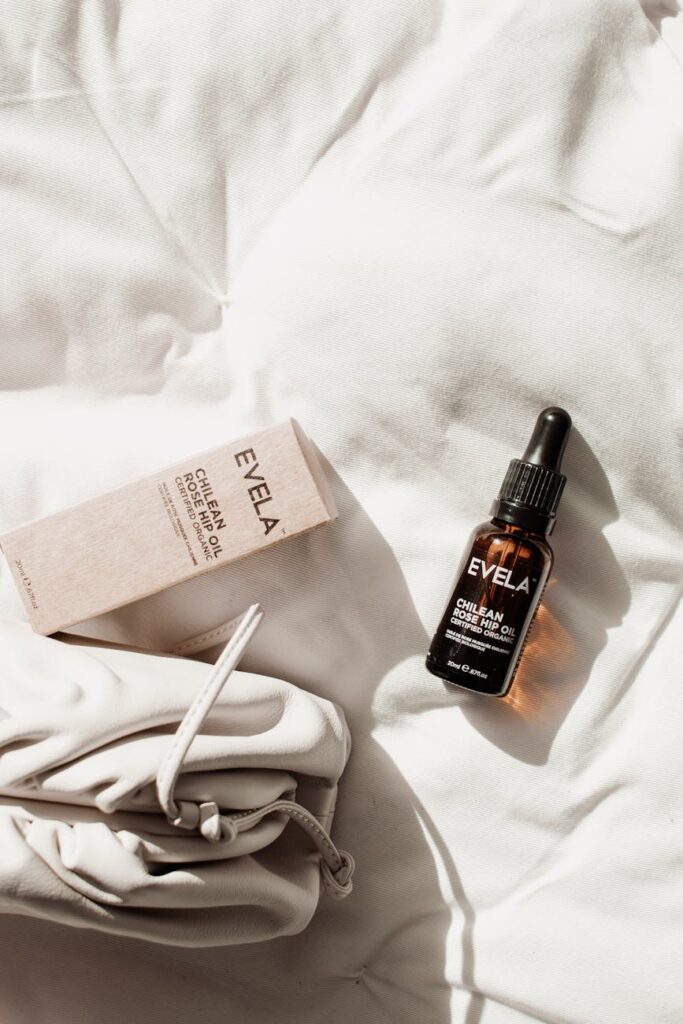
- Container: Store rosehip oil in a dark glass bottle to protect it from light exposure, which can degrade its quality over time.
- Temperature: Keep the oil in a cool, dark place, away from direct sunlight and heat sources. A refrigerator can be an ideal storage location.
- Shelf Life: Generally, rosehip oil has a shelf life of about 6 to 12 months. To maximize its longevity, ensure that the bottle is tightly sealed after each use.
Anti-Inflammatory Properties
The oil’s anti-inflammatory properties can soothe irritated skin, making it suitable for those with conditions such as eczema or rosacea.
Common Uses
Rosehip oil is versatile and can be used in various applications, primarily in skincare and beauty routines. Some common uses include:
1. Facial Oil: Applied alone or blended with other essential oils, rosehip oil serves as an effective facial moisturizer.
2. Serums: It is a popular ingredient in serums designed to target specific skin concerns like aging, dryness, or uneven tone.
3. Body Lotion: Mixed into body lotions, rosehip oil can enhance hydration and improve skin texture.
4. Hair Care: It can be added to hair products or used as a pre-shampoo treatment to nourish dry and damaged hair.
5. Massage Oil: When blended with other carrier oils, rosehip oil can be used in massage therapy to moisturize the skin and provide therapeutic benefits.
Aromatherapy Applications
While rosehip oil is primarily recognized for its skincare benefits, it can also play a role in aromatherapy. Although it is not an essential oil, its pleasant, mild scent and nourishing properties make it a valuable addition to aromatic blends.
Diffusion
When combined with essential oils in a diffuser, rosehip oil can help create a soothing atmosphere. It blends well with oils such as lavender, chamomile, and sandalwood, enhancing the overall sensory experience.
Massage Blends
Rosehip oil can be used as a carrier oil in massage blends, offering skin-nourishing benefits while facilitating the absorption of essential oils. This combination can enhance relaxation and promote overall well-being.
Skin Care Rituals
Incorporating rosehip oil into daily skincare regimens can elevate the therapeutic experience. By adding a few drops to facial creams or oils, users can amplify the benefits of their skincare products.
Safety Considerations
While rosehip oil is generally considered safe for most people, a few precautions should be taken:
1. Patch Test: It is advisable to conduct a patch test before applying rosehip oil to larger areas of the skin, particularly for individuals with sensitive skin or allergies.
2. Dilution: For those using rosehip oil in aromatherapy or massage, it should be diluted with a carrier oil to avoid possible irritation.
3. Pregnancy and Nursing: Although rosehip oil is often deemed safe, pregnant and nursing individuals should consult with a healthcare provider before use to ensure it is appropriate for their circumstances.
4. Avoid Eye Contact: Care should be taken to avoid contact with the eyes, as the oil could cause irritation.
Storage and Shelf Life
To maintain the quality and efficacy of rosehip oil, proper storage is crucial:
Frequently Asked Questions
1. Can rosehip oil be used on all skin types?
Yes, rosehip oil is suitable for most skin types, including dry, oily, and sensitive skin. Its lightweight texture and nourishing properties make it adaptable for various skincare needs.
2. How often should I use rosehip oil?
For best results, rosehip oil can be used daily as part of a skincare routine. It can be applied once or twice a day, depending on individual skin needs.
3. Can rosehip oil help with acne?
While rosehip oil is non-comedogenic and unlikely to clog pores, it is essential to monitor individual reactions. It may help improve skin texture and reduce the appearance of scars associated with acne.
4. Is rosehip oil safe for children?
Rosehip oil is generally safe for topical use on children; however, it is advisable to perform a patch test first and consult a pediatrician if there are any concerns.
5. Can I use rosehip oil on my hair?
Yes, rosehip oil can be beneficial for hair health. It can help moisturize dry hair, improve shine, and reduce frizz when applied as a treatment or mixed with other hair care products.
Conclusion
Rosehip oil stands out as a multifaceted oil offering a wealth of benefits for skincare, aromatherapy, and overall wellness. Its rich nutrient profile, combined with its versatile applications, makes it a staple in many beauty and wellness routines. As with any natural product, understanding its properties and proper usage can help maximize its benefits while ensuring safety. Whether used on its own or in conjunction with other essential oils, rosehip oil remains a beloved choice for those seeking natural solutions for skincare and beyond.