
Complete Guide to Rosehip Oil Part 7
Introduction
Rosehip oil has garnered significant attention in recent years for its diverse applications in skincare, wellness, and aromatherapy. Derived from the seeds of the wild rose (Rosa canina), this oil has a long history of use, particularly in traditional medicine. It is rich in nutrients and bioactive compounds that contribute to its beneficial properties. In this article, we will explore the various aspects of rosehip oil, including its characteristics, benefits, common uses, applications in aromatherapy, safety considerations, storage tips, and frequently asked questions.
What Is Rosehip Oil?
Rosehip oil is extracted from the seeds of the rosehip fruit, which develops after the flowering season of the wild rose. The extraction process typically involves cold-pressing the seeds to retain the oil’s beneficial properties. The oil is a deep orange to reddish hue, indicating its high carotenoid content. It is notable for its light texture and rapid absorption into the skin, making it an excellent choice for various skincare formulations.
Key Benefits and Properties
Rosehip oil is celebrated for its rich composition, which includes:
- Fatty Acids: It contains essential fatty acids such as omega-3, omega-6, and omega-9, which are vital for skin health and integrity.
- Vitamins: The oil is particularly high in vitamins A, C, and E. These vitamins are known for their antioxidant properties and play a crucial role in skin regeneration and protection.
- Antioxidants: Rosehip oil is rich in antioxidants, which help combat oxidative stress caused by environmental factors.
- Anti-inflammatory Properties: The oil possesses anti-inflammatory properties that can soothe irritated skin and help reduce redness.
- Patch Test: It is advisable to perform a patch test before using rosehip oil to check for any allergic reactions or skin sensitivities. Apply a small amount to a discreet area of skin and wait 24 hours to observe any adverse reactions.
- Pregnancy and Nursing: Pregnant or nursing individuals should consult with a healthcare provider before using rosehip oil or any new skincare products.
- Interactions: If you are currently using medications or treatments for skin conditions, consult with a healthcare professional to ensure that rosehip oil will not interfere with your regimen.
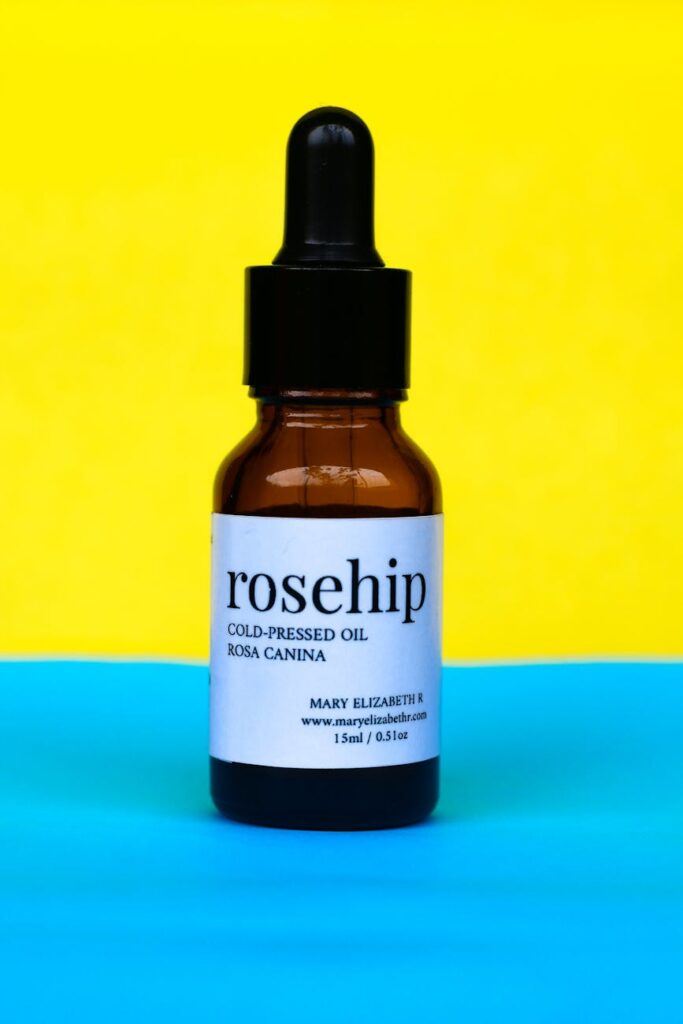
- Dark Glass Container: Store rosehip oil in a dark glass bottle to protect it from light, which can degrade the oil’s quality over time.
- Cool Environment: Keep the oil in a cool, dry place, away from direct sunlight and heat sources.
- Shelf Life: When stored properly, rosehip oil typically has a shelf life of 6 to 12 months. However, it is best to check for any changes in color, smell, or consistency before use, as these may indicate that the oil has gone rancid.
The combination of these properties makes rosehip oil an excellent ingredient for promoting skin health, enhancing the skin’s appearance, and supporting overall wellness.
Common Uses
Rosehip oil has a wide range of applications, making it a versatile addition to personal care routines. Some of the most common uses include:
Skincare
1. Moisturizer: Due to its lightweight texture, rosehip oil can be used as a standalone moisturizer or added to creams and lotions for enhanced hydration.
2. Anti-Aging: The oil’s high vitamin A content contributes to cell regeneration, making it a popular choice for reducing the appearance of fine lines and wrinkles.
3. Scar Treatment: Many people use rosehip oil to improve the appearance of scars, including acne scars and surgical scars, due to its ability to promote skin healing.
4. Hyperpigmentation: The oil is also believed to help reduce hyperpigmentation and even out skin tone, thanks to its vitamin C content.
Hair Care
Rosehip oil can be used to nourish and hydrate hair, making it an effective treatment for dry or damaged hair. A few drops can be massaged into the scalp to promote healthy hair growth.
Lip Care
The oil is often included in lip balms and treatments due to its moisturizing properties, helping to prevent chapped lips.
Aromatherapy Applications
In aromatherapy, rosehip oil is appreciated for its grounding and calming properties. While it is not typically used as an essential oil, it can be blended with other essential oils to create soothing personal care products. Here are some common applications:
Blending
Rosehip oil can be combined with essential oils such as lavender, chamomile, or geranium to create synergistic blends that promote relaxation and emotional well-being.
Massage
Incorporating rosehip oil into massage blends can enhance the experience by providing skin nourishment while also imparting a delicate fragrance.
Diffusion
While not as common, some practitioners may choose to include rosehip oil in their diffusion practices. However, it is essential to note that the oil is more commonly used in topical applications rather than in diffusers.
Safety Considerations
Although rosehip oil is generally regarded as safe for topical use, certain precautions should be observed:
Storage and Shelf Life
Proper storage of rosehip oil is essential to maintain its quality and effectiveness. Here are some guidelines for optimal storage:
Frequently Asked Questions
1. Can rosehip oil clog pores?
Rosehip oil is considered non-comedogenic, meaning it is unlikely to clog pores. Its lightweight texture allows for easy absorption into the skin.
2. Is rosehip oil suitable for all skin types?
Yes, rosehip oil is generally suitable for all skin types, including oily and sensitive skin. Its anti-inflammatory properties can help soothe irritation and redness.
3. How often should I use rosehip oil?
The frequency of use can vary depending on individual skin needs. Many people apply it once or twice a day as part of their skincare routine.
4. Can I use rosehip oil on my face?
Absolutely. Rosehip oil is commonly used on the face and is often included in facial oils, serums, and moisturizers.
5. Is rosehip oil safe for children?
While rosehip oil is generally safe, it is advisable to consult a healthcare provider before using it on children, particularly infants and toddlers.
Conclusion
Rosehip oil is a remarkable natural oil with a rich history and a multitude of applications in skincare, hair care, and aromatherapy. Its unique combination of fatty acids, vitamins, and antioxidants makes it a valuable addition to personal care routines. By following safety guidelines and storage recommendations, individuals can harness the benefits of this versatile oil effectively. As with any natural product, personal experience may vary, and it is essential to find what works best for your individual needs.