
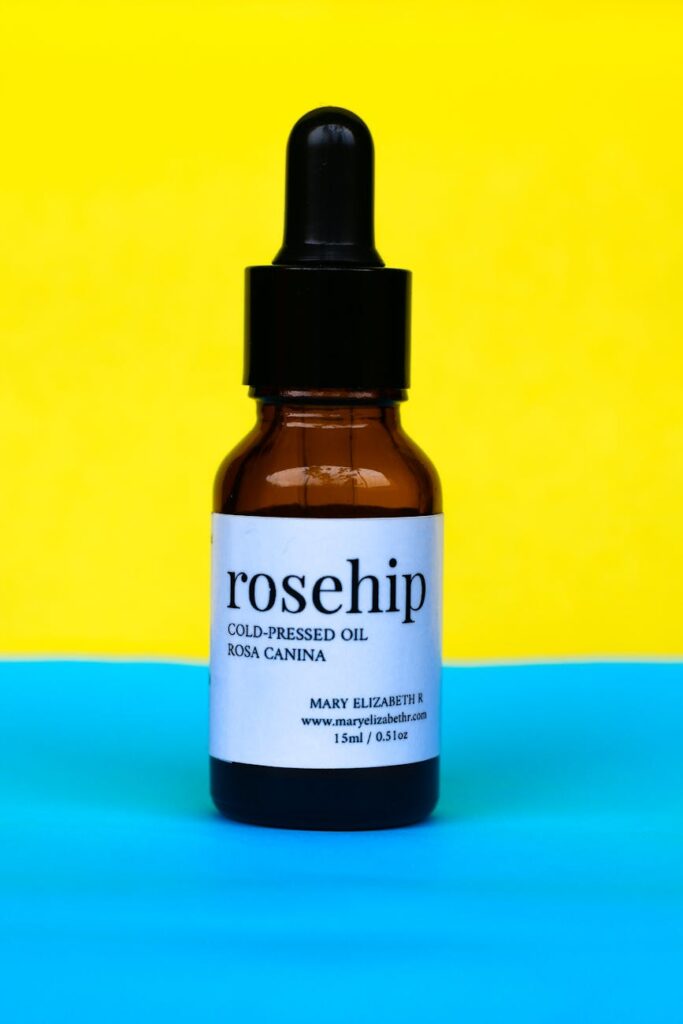
Complete Guide to Rosehip Oil Part 7
Introduction
Rosehip oil, derived from the seeds of the wild rose bush, has gained popularity in the realm of natural skincare and aromatherapy. This oil is rich in nutrients and has garnered attention for its potential benefits. This article serves as a comprehensive guide, exploring the origins, properties, applications, and safety considerations of rosehip oil.
What Is Rosehip Oil?
Rosehip oil is extracted from the seeds of the Rosa canina, commonly known as the dog rose. The oil is cold-pressed from the seeds, ensuring that the delicate nutrients remain intact. Originating in various regions, including South America and Europe, rosehip oil has been used for centuries for its cosmetic and therapeutic properties. It is characterized by its light amber color and a slightly nutty, earthy aroma.
Key Benefits and Properties
Rosehip oil is celebrated for its rich profile of essential fatty acids, vitamins, and antioxidants:
- Essential Fatty Acids: The oil is particularly high in linoleic acid (omega-6) and alpha-linolenic acid (omega-3), which are essential for maintaining skin health and hydration.
- Vitamins: Rosehip oil is a natural source of vitamins A, C, and E. Vitamin A is known for its role in skin regeneration, while vitamin C is an antioxidant that helps protect the skin from environmental damage. Vitamin E contributes to skin nourishment and moisture retention.
- Antioxidants: The presence of antioxidants helps combat oxidative stress, which can lead to premature aging and skin damage.
- Anti-inflammatory Properties: Rosehip oil is known to have anti-inflammatory effects, making it beneficial for soothing irritated skin.
- Moisturizer: Due to its emollient properties, rosehip oil serves as an excellent moisturizer for both the face and body. It penetrates the skin quickly, providing hydration without a greasy residue.
- Anti-Aging Serum: Its high vitamin A and antioxidant content makes it a popular choice for anti-aging serums. Regular application may help reduce the appearance of fine lines and wrinkles.
- Scar Treatment: Many individuals use rosehip oil to help diminish the appearance of scars, including acne scars and surgical scars. Its regenerative properties promote skin healing and renewal.
- Stretch Mark Prevention: Pregnant individuals often apply rosehip oil to minimize the appearance of stretch marks, as it helps improve skin elasticity.
- Makeup Remover: Rosehip oil can be used to effectively remove makeup while nourishing the skin simultaneously.
- Carrier Oil: Due to its heavier texture, rosehip oil is often used as a carrier oil to dilute essential oils. This makes it suitable for topical application or massage.
- Skin Benefits: When massaged into the skin, rosehip oil can enhance the absorption of essential oils, providing a dual benefit of aromatherapy and skincare.
- Diffusion: Although not typically diffused on its own, rosehip oil can be included in personal inhalers or mixed with other oils in a diffuser blend to create a calming atmosphere.
- Patch Test: Apply a small amount of rosehip oil to an inconspicuous area of skin, such as the inner forearm, and wait 24 hours to check for any adverse reactions.
- Pregnancy and Nursing: While rosehip oil is often deemed safe, it is advisable for pregnant or nursing individuals to consult with a healthcare professional before use.
- Interactions: If you are using other topical treatments or medications, consider consulting with a healthcare provider to ensure there are no potential interactions.
- Storage: Proper storage of rosehip oil is essential to maintain its efficacy.
- Container: It is best to keep rosehip oil in a dark glass bottle that protects it from light. If you purchase it in a clear container, consider transferring it to a darker one.
- Temperature: Store the oil in a cool environment, ideally below 20°C (68°F). Avoid placing it near heat sources, such as stoves or windows.
- Shelf Life: Typically, rosehip oil has a shelf life of about 6 to 12 months, depending on storage conditions. Always check for signs of rancidity, such as an off smell or change in color, before use.
These properties contribute to its effectiveness in addressing various skin concerns, from dryness to signs of aging.
Common Uses
Rosehip oil is versatile and can be incorporated into various skincare routines and products:
Aromatherapy Applications
In aromatherapy, rosehip oil is less commonly used in its pure form; however, it can be blended with other essential oils to enhance therapeutic effects. Its subtle scent can be combined with oils such as lavender, geranium, or chamomile to create relaxing blends.
When using rosehip oil in aromatherapy, consider the following:
Safety Considerations
While rosehip oil is generally considered safe for topical application, some individuals may experience allergic reactions or skin irritation. It is recommended to perform a patch test before widespread use. Here are some safety tips to keep in mind:
Storage and Shelf Life
Rosehip oil should be stored in a cool, dark place to preserve its quality. Exposure to light and heat can degrade the oil and diminish its beneficial properties. Here are some guidelines for storage:
Frequently Asked Questions
1. Can I use rosehip oil on all skin types?
Yes, rosehip oil is generally suitable for all skin types, including oily, dry, and sensitive skin. However, individuals with specific allergies or sensitivities should perform a patch test before widespread use.
2. How often should I apply rosehip oil?
For optimal results, rosehip oil can be applied daily. Consider incorporating it into your morning or evening skincare routine, depending on your preference.
3. Can rosehip oil help with acne?
Rosehip oil contains properties that may aid in reducing the appearance of acne scars and promoting healing. However, its comedogenic rating is low, making it suitable for acne-prone skin. Individual results may vary.
4. Is rosehip oil safe for children?
While rosehip oil is generally safe, it is advisable to consult a healthcare provider before using it on children, especially infants or toddlers.
5. Can I mix rosehip oil with other essential oils?
Yes, rosehip oil can be blended with other essential oils to enhance its benefits. It is commonly used as a carrier oil in aromatherapy applications.
6. What should I look for when buying rosehip oil?
When purchasing rosehip oil, look for cold-pressed, organic varieties in dark glass bottles. Check for transparency in sourcing and production to ensure quality.
Conclusion
Rosehip oil is a remarkable natural oil with a diverse array of benefits and applications. Its rich nutrient profile makes it a valuable addition to skincare routines and aromatherapy practices. By understanding its properties and safe usage, individuals can harness the potential of rosehip oil for enhanced skin health and overall well-being.