
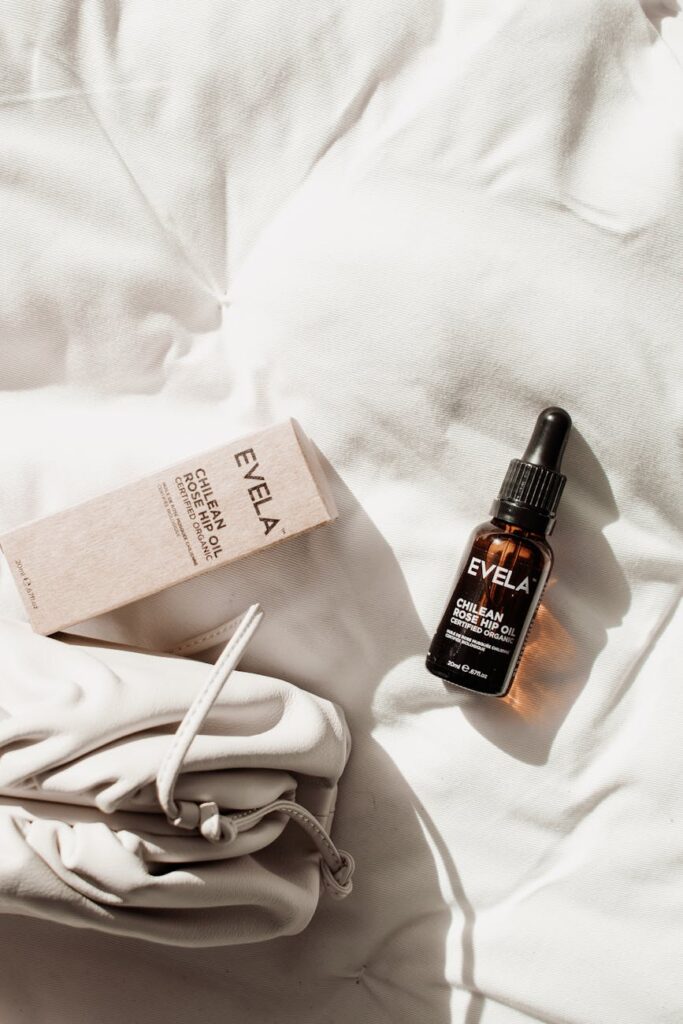
Complete Guide to Rosehip Oil
Introduction
Rosehip oil, derived from the seeds of the wild rose plant (Rosa canina), has gained popularity in recent years for its impressive array of benefits and applications. With a rich history steeped in traditional use, this oil has become a staple in skincare routines, aromatherapy practices, and holistic wellness. This comprehensive guide will explore the origins, benefits, common uses, and safety considerations of rosehip oil, providing a thorough understanding of this remarkable botanical extract.
What Is Rosehip Oil?
Rosehip oil is extracted from the small, bright red fruit of the wild rose bush, commonly known as rosehips. These fruits are typically harvested in the late summer or early autumn when they are fully ripe. The extraction process usually involves cold-pressing the seeds, preserving the oil’s nutritional integrity. The oil is often characterized by its rich amber color and slightly nutty aroma.
Historically, rosehip oil has been used for centuries by various cultures. Native to Europe and parts of Asia, it has been applied for its nourishing and healing properties. Today, it is widely recognized in the beauty and wellness industries for its versatility and efficacy.
Key Benefits and Properties
Rosehip oil is celebrated for its unique composition, which includes a wealth of essential fatty acids, vitamins, and antioxidants. The following are some of the key components and their associated benefits:
Nutritional Composition
- Essential Fatty Acids: High in omega-3, omega-6, and omega-9 fatty acids, rosehip oil aids in skin hydration and elasticity. These fatty acids are vital for maintaining the skin’s natural barrier and promoting a healthy complexion.
- Vitamins: Rosehip oil is rich in vitamins A and C. Vitamin A, in the form of retinoids, is known for its ability to improve skin texture and reduce the appearance of fine lines. Vitamin C is a potent antioxidant that helps brighten the skin and supports collagen production.
- Antioxidants: The presence of antioxidants helps combat oxidative stress, which can lead to premature aging and skin damage. These compounds protect the skin from environmental stressors.
- Moisturizing: Rosehip oil is easily absorbed by the skin, providing deep hydration without leaving a greasy residue.
- Scar Treatment: Its regenerative properties may aid in reducing the appearance of scars, including acne scars, by promoting skin regeneration.
- Anti-Inflammatory: The oil’s anti-inflammatory properties can help soothe irritated skin, making it suitable for those with conditions like eczema or rosacea.
- Facial Oil: Used alone or blended with other oils, rosehip oil serves as an effective facial moisturizer, often applied during the nighttime routine for optimal absorption.
- Serums: Many commercial serums incorporate rosehip oil for its anti-aging and moisturizing properties.
- Creams and Lotions: Due to its nourishing qualities, it is frequently included in creams and lotions designed for dry or aging skin.
- Cool, Dark Place: Store rosehip oil in a cool, dark place away from direct sunlight and heat to prevent oxidation.
- Tightly Sealed Container: Use a dark glass bottle with a tight seal to minimize exposure to air and light.
Skin Benefits
Common Uses
Rosehip oil is utilized in various ways, particularly in skincare. Here are some common applications:
Skincare Products
Hair Care
Rosehip oil can be used as a hair treatment to hydrate and strengthen hair. It may help improve shine and reduce frizz when applied as a leave-in conditioner or hair mask.
Body Care
In addition to facial applications, rosehip oil is often included in body lotions and balms, helping to nourish and soften the skin.
Aromatherapy Applications
While rosehip oil is not typically used as a primary essential oil in aromatherapy due to its heavier consistency, it can be blended with lighter essential oils for a synergistic effect. Here are some ways to incorporate rosehip oil into aromatherapy practices:
Blending with Essential Oils
Rosehip oil can be combined with essential oils like lavender, chamomile, or geranium, enhancing their therapeutic properties. These blends can be used in massage oils, skin treatments, or diffusers.
Massage
When used in massage, rosehip oil can provide both relaxation and skin benefits. Its moisturizing properties make it an excellent carrier oil, facilitating the absorption of essential oils into the skin.
Skin Care Rituals
Incorporating rosehip oil into skincare rituals, such as facial massage or gua sha practices, can enhance circulation and improve skin texture while delivering nourishment.
Safety Considerations
While rosehip oil is generally considered safe for topical use, there are some important considerations to keep in mind:
Patch Testing
Before using rosehip oil regularly, it is advisable to perform a patch test on a small area of skin to check for any adverse reactions, especially for those with sensitive skin.
Allergies
Individuals with known allergies to roses or related plants should exercise caution. Consulting a healthcare professional before use is recommended for those with allergies.
Not for Ingestion
Rosehip oil is intended for external use only and should not be ingested. It is essential to follow product instructions and use it as directed.
Storage and Shelf Life
Proper storage is crucial to maintaining the quality and efficacy of rosehip oil:
Storage Conditions
Shelf Life
When stored correctly, rosehip oil typically has a shelf life of about 6 to 12 months. It is advisable to check for any changes in color, smell, or consistency before use, as these may indicate spoilage.
Frequently Asked Questions
1. Can rosehip oil be used on all skin types?
Yes, rosehip oil is suitable for various skin types, including dry, oily, and sensitive skin. Its lightweight texture allows it to be absorbed easily.
2. How often should I apply rosehip oil?
The frequency of application can vary based on individual preferences and skin needs. Generally, applying it once or twice a day is common for optimal results.
3. Is rosehip oil safe for pregnant women?
While rosehip oil is generally considered safe for topical use, it is best to consult with a healthcare professional before use during pregnancy to ensure safety.
4. Can I use rosehip oil under makeup?
Many individuals find that rosehip oil can be used under makeup as a primer, providing hydration and a smooth base for foundation.
5. Can rosehip oil help with acne?
Rosehip oil may help improve the appearance of acne scars and promote skin healing, but it is not a treatment for active acne. Consult a dermatologist for personalized advice.
Conclusion
Rosehip oil is a versatile and beneficial oil with a rich history and an impressive profile of nutrients. From its skin-healing properties to its applications in skincare and aromatherapy, it has earned its place as a beloved ingredient in beauty and wellness routines. By understanding the benefits, common uses, and safety considerations, individuals can incorporate rosehip oil into their daily practices, reaping the rewards of this remarkable botanical extract.