
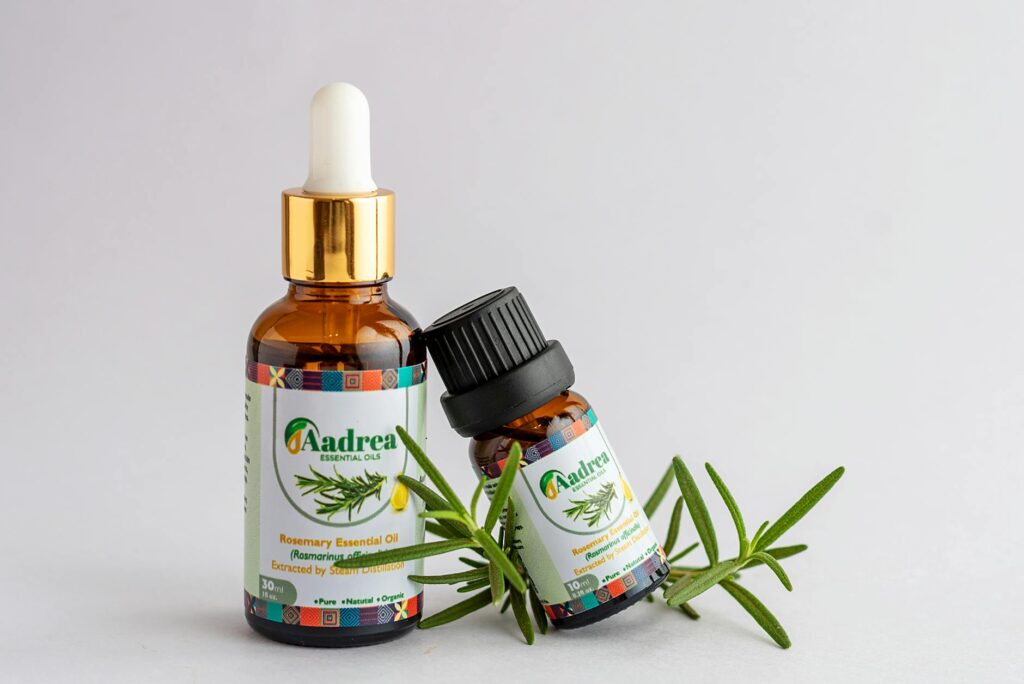
Complete Guide to Rosemary Essential Oil
Introduction
Rosemary essential oil, derived from the aromatic leaves of the Rosmarinus officinalis plant, has been cherished for centuries for its invigorating scent and versatile applications. Often associated with culinary uses, rosemary has transcended the kitchen to become a staple in aromatherapy, personal care, and natural wellness practices. This guide aims to provide a comprehensive overview of rosemary essential oil, exploring its properties, benefits, uses, and safety considerations.
What Is Rosemary Essential Oil?
Rosemary essential oil is extracted through steam distillation of the fresh flowering tops and leaves of the rosemary plant, a perennial herb native to the Mediterranean region. Known for its distinct, herbaceous aroma, the oil captures the essence of the plant, making it popular in both culinary and therapeutic contexts. Rich in compounds such as 1,8-cineole, camphor, and rosmarinic acid, rosemary essential oil is recognized for its complex chemical profile, contributing to its diverse applications.
Key Benefits and Properties
Rosemary essential oil is lauded for its numerous potential benefits, largely attributed to its chemical constituents. Here are some notable properties:
1. Antioxidant: Rosemary contains antioxidants that help neutralize free radicals in the body, potentially supporting overall health.
2. Anti-inflammatory: Some studies suggest that compounds in rosemary may help reduce inflammation, which can be beneficial in various contexts.
3. Antimicrobial: The oil has demonstrated antimicrobial properties, making it effective against certain bacteria and fungi.
4. Cognitive Support: The invigorating aroma of rosemary is often linked with enhanced mental clarity, focus, and memory.
5. Mood Enhancer: The refreshing scent of rosemary is believed to uplift mood and reduce feelings of stress and anxiety.
Common Uses
Rosemary essential oil can be used in various contexts, making it a versatile addition to any essential oil collection:
1. Aromatherapy: The oil is commonly diffused or inhaled to promote mental clarity, focus, and emotional balance.
2. Skincare: Due to its antimicrobial properties, rosemary oil is often incorporated into skincare formulations to help with acne-prone skin or to promote a healthy complexion.
3. Hair Care: Rosemary is frequently used in hair care products, as it is believed to stimulate hair growth and improve scalp health.
4. Culinary Uses: In addition to its essential oil form, fresh rosemary is widely used in cooking for flavoring meats, soups, and stews.
5. Household Cleaning: The antimicrobial properties of rosemary essential oil make it an effective ingredient in natural cleaning products.
Aromatherapy Applications
In aromatherapy, rosemary essential oil can be employed in various ways to harness its benefits:
1. Diffusion: Using a diffuser, add a few drops of rosemary essential oil to water and let the aroma fill the room. This can create an uplifting environment, ideal for studying or working.
2. Inhalation: For a quick boost, place a drop or two on your palms, rub them together, and inhale deeply. This can facilitate mental clarity during tasks requiring focus.
3. Massage: When diluted with a carrier oil, rosemary essential oil can be incorporated into massage blends. This practice may promote relaxation and alleviate tension.
4. Bath: Adding rosemary essential oil to bathwater can create a soothing experience, enhancing both physical and mental well-being.
5. Steam Inhalation: For a more therapeutic application, add a few drops of rosemary oil to a bowl of hot water, cover your head with a towel, and inhale the steam. This method may support respiratory health and relaxation.
Safety Considerations
While rosemary essential oil is generally safe for many individuals when used appropriately, there are important safety considerations to keep in mind:
1. Dilution: Always dilute rosemary essential oil with a carrier oil before applying it to the skin. A common dilution ratio is 2-3 drops of essential oil per teaspoon of carrier oil.
2. Skin Sensitivity: Conduct a patch test before using rosemary oil topically. Apply a diluted amount to a small area of skin and observe for any adverse reactions.
3. Pregnancy and Nursing: Pregnant or nursing individuals should consult a healthcare professional before using rosemary essential oil, as some sources suggest it may not be suitable during these times.
4. Epilepsy: Individuals with epilepsy or seizure disorders should avoid using rosemary essential oil, as it may trigger seizures in some cases.
5. Interactions: If you are taking medications or have underlying health conditions, consult with a healthcare provider to assess any potential interactions with rosemary essential oil.
Storage and Shelf Life
Proper storage is essential to maintain the quality and efficacy of rosemary essential oil:
1. Container: Store the oil in a dark glass bottle to protect it from light, which can degrade its quality over time.
2. Temperature: Keep rosemary essential oil in a cool, dry place, away from direct sunlight and heat sources.
3. Shelf Life: When stored correctly, rosemary essential oil has a shelf life of approximately 2-3 years. It is advisable to check for any changes in scent or appearance before use.
Frequently Asked Questions
1. Can rosemary essential oil be ingested?
While rosemary essential oil has culinary uses, ingesting essential oils should only be done under the guidance of a qualified professional. It is important to ensure that the oil is food-grade and safe for consumption.
2. Is rosemary essential oil safe for children?
Rosemary essential oil may not be suitable for young children. Always consult a healthcare professional before using essential oils on children, as their skin and respiratory systems can be more sensitive.
3. How can I incorporate rosemary essential oil into my daily routine?
There are numerous ways to use rosemary essential oil in daily life, including diffusing it during work hours, adding a few drops to your skincare routine, or using it in homemade cleaning products.
4. What are the best carrier oils for diluting rosemary essential oil?
Common carrier oils include jojoba oil, sweet almond oil, coconut oil, and olive oil. Choose a carrier oil based on your skin type and personal preference.
5. Can rosemary essential oil help with hair loss?
While some people report positive effects from using rosemary essential oil for hair growth, results can vary. Incorporating it into hair care routines may support scalp health, but individual experiences will differ.
Conclusion
Rosemary essential oil is a remarkable essence with a wide range of applications, from culinary delights to therapeutic benefits. Its unique properties and invigorating aroma make it a popular choice in aromatherapy and holistic wellness practices. By understanding its uses, benefits, and safety considerations, individuals can effectively incorporate rosemary essential oil into their routines, enjoying both its aromatic and potential health-promoting qualities. Always remember to use essential oils responsibly and consult with professionals when necessary for safe and effective use.