
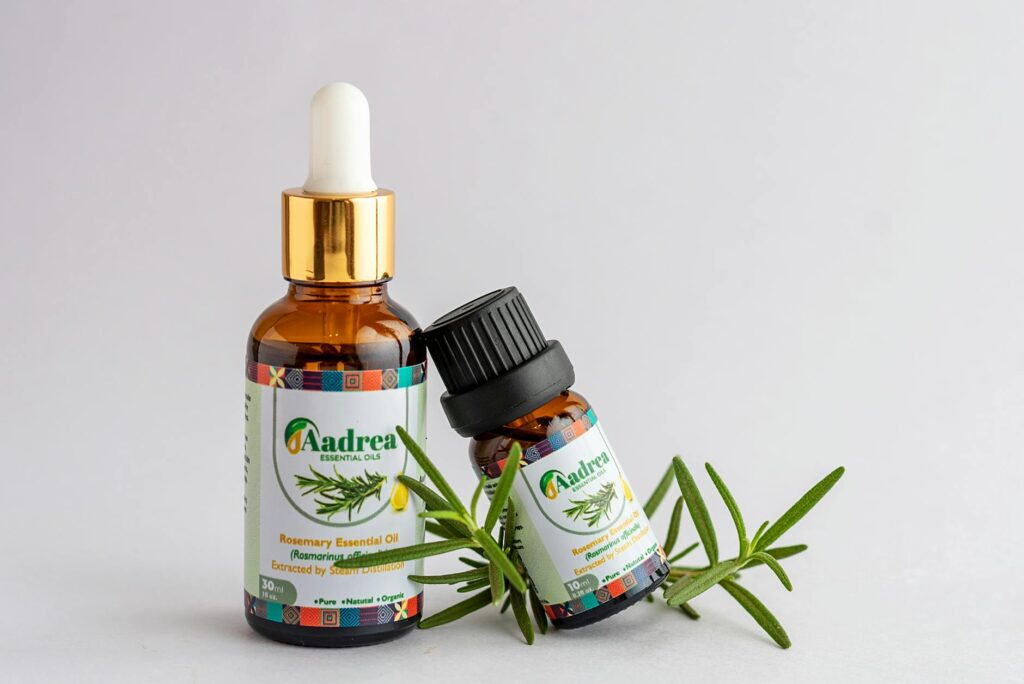
Complete Guide to Rosemary Oil Part 11
Introduction
Rosemary oil, derived from the leaves of the Rosmarinus officinalis plant, has been celebrated for centuries for its aromatic and therapeutic properties. As a staple in both culinary and medicinal practices, this essential oil has garnered attention not just for its fragrance but also for its potential benefits in various aspects of wellness and beauty. This guide delves into the multifaceted nature of rosemary oil, providing insights into its properties, uses, and safety considerations.
What Is Rosemary Oil?
Rosemary oil is an essential oil obtained through the steam distillation of the flowering tops and leaves of the rosemary plant. Known for its robust, herbaceous scent, it captures the essence of the Mediterranean landscape where rosemary thrives. The oil is composed of various chemical constituents, including 1,8-cineole, camphor, and rosmarinic acid, which contribute to its distinctive aroma and potential benefits.
Key Benefits and Properties
Rosemary oil is renowned for its diverse range of properties, which may include:
- Antioxidant Activity: Rich in antioxidants, rosemary oil helps combat oxidative stress in the body, supporting overall health.
- Anti-inflammatory Effects: The oil may help reduce inflammation, making it beneficial for various skin conditions.
- Antimicrobial Properties: Studies suggest that rosemary oil exhibits antimicrobial activity against certain bacteria and fungi, indicating its potential in personal care products.
- Cognitive Support: The aroma of rosemary oil has been associated with improved memory and concentration, making it a popular choice for studying and working environments.
- Digestive Health: Traditionally, rosemary has been used to support digestive health, alleviating discomfort and promoting healthy digestion.
- Culinary Uses: While often used fresh in cooking, rosemary oil can be added in small amounts to enhance flavors in marinades, dressings, and sauces.
- Hair Care: Many hair products incorporate rosemary oil due to its potential to promote healthy hair growth and scalp health. It is often found in shampoos, conditioners, and hair masks.
- Skincare: Its antimicrobial and anti-inflammatory properties make rosemary oil a popular ingredient in skincare formulations, targeting issues such as acne and oily skin.
- Household Cleaning: With its antimicrobial properties, rosemary oil can be included in homemade cleaning solutions for a natural alternative to commercial products.
- Diffusion: Adding a few drops of rosemary oil to a diffuser can promote mental clarity and concentration, making it ideal for study or work environments.
- Inhalation: Inhaling the scent directly from the bottle or via steam inhalation can help alleviate mental fatigue and enhance mood.
- Massage: When diluted with a carrier oil, rosemary oil can be used in massage to relieve muscular tension and promote relaxation.
- Dilution: Essential oils should always be diluted with a carrier oil before applying to the skin to prevent irritation.
- Allergic Reactions: Conduct a patch test before using rosemary oil topically to check for any allergic reactions.
- Pregnancy and Breastfeeding: Pregnant or breastfeeding individuals should consult a healthcare professional before using rosemary oil.
- Epilepsy: Individuals with a history of epilepsy or seizures should avoid rosemary oil, as it may provoke seizures in susceptible individuals.
- Storage: Keep rosemary oil in a cool, dark place, away from direct sunlight and heat sources. A dark glass bottle can help protect the oil from light degradation.
- Shelf Life: Generally, rosemary oil has a shelf life of 1 to 3 years when stored correctly. Always check for any changes in color, scent, or consistency before use.
Common Uses
Rosemary oil is versatile and can be used in several ways, including:
Aromatherapy Applications
In aromatherapy, rosemary oil is utilized for its invigorating and uplifting scent. Here are some common applications:
Safety Considerations
While rosemary oil is generally safe for most individuals when used appropriately, there are some important safety considerations to take into account:
Storage and Shelf Life
To maintain the integrity of rosemary oil, proper storage is essential. Here are some tips:
Frequently Asked Questions
1. How is rosemary oil extracted?
Rosemary oil is typically extracted through steam distillation. The steam passes through the rosemary plant material, vaporizing the volatile compounds, which are then condensed back into liquid form.
2. Can rosemary oil be ingested?
While rosemary oil can be used in culinary applications, it should be ingested only in small quantities and with caution. It is advisable to consult a professional before consuming essential oils.
3. Is rosemary oil safe for children?
Rosemary oil is not recommended for children under the age of two. For older children, it should be used in diluted forms and with caution. Always consult a healthcare professional for guidance.
4. Can I use rosemary oil for skincare?
Yes, rosemary oil can be used in skincare products for its antimicrobial and anti-inflammatory properties. However, it should be diluted with a carrier oil before applying to the skin.
5. What are some alternatives to rosemary oil?
If you are looking for alternatives, consider essential oils like peppermint, thyme, or lavender, each offering its unique benefits and aromatic profiles.
Conclusion
Rosemary oil is a remarkable essential oil with a rich history and a broad range of applications. From culinary uses to skincare and aromatherapy, its versatility makes it a valuable addition to any wellness regimen. However, as with any essential oil, it is crucial to observe safety guidelines and consult with professionals when necessary. By understanding the properties and uses of rosemary oil, individuals can harness its potential to enhance their overall well-being naturally.