
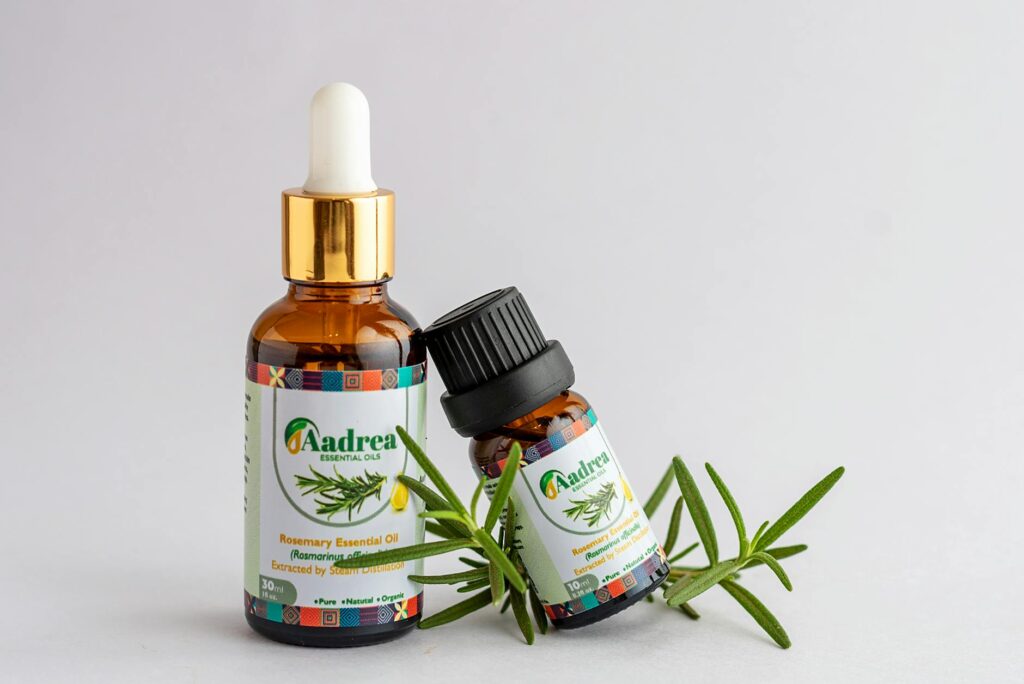
Complete Guide to Rosemary Oil – Part 12
Introduction
Rosemary oil, derived from the leaves of the Rosmarinus officinalis plant, has been a staple in traditional medicine and culinary practices for centuries. This aromatic oil is celebrated for its invigorating scent and a wide range of beneficial properties. In this guide, we will explore what rosemary oil is, its key benefits, common uses, and safety considerations, along with answers to frequently asked questions.
What Is Rosemary Oil?
Rosemary oil is extracted through steam distillation from the fresh or dried leaves of the rosemary plant, a perennial herb native to the Mediterranean region. The oil is known for its distinct, fresh, and herbaceous aroma, which can evoke a sense of clarity and focus. Rosemary belongs to the mint family (Lamiaceae) and is closely related to other culinary herbs such as thyme, basil, and lavender.
The chemical composition of rosemary oil is complex, containing a variety of compounds such as 1,8-cineole, camphor, and rosmarinic acid. These constituents contribute to its unique scent and potential benefits, making it a favorite among essential oil enthusiasts and practitioners of aromatherapy.
Key Benefits and Properties
Rosemary oil is renowned for its numerous properties. Some of the key benefits include:
1. Antioxidant Properties
Rosemary oil is rich in antioxidants, which help protect cells from damage caused by free radicals. This quality is vital for maintaining overall health and well-being.
2. Anti-Inflammatory Effects
The oil may help reduce inflammation, making it a popular choice for massage blends aimed at soothing sore muscles and joints.
3. Cognitive Support
Some studies suggest that rosemary oil may enhance memory and concentration, making it a valuable tool for those needing mental clarity.
4. Hair Care
Rosemary oil is often used in hair care products due to its potential to stimulate hair growth and improve scalp health. It may also help reduce dandruff and promote shine.
5. Digestive Aid
While not a substitute for medical treatment, rosemary oil has traditionally been used to support digestive health and alleviate discomfort.
Common Uses
Rosemary oil is versatile and can be used in various applications, including:
1. Culinary Uses
Fresh rosemary is commonly used in cooking, and the oil can also be used sparingly to flavor dishes. It pairs well with meats, potatoes, and various vegetables.
2. Personal Care Products
Due to its pleasant aroma and skin-friendly properties, rosemary oil is often found in skincare, haircare, and cosmetic products.
3. Household Cleaning
The antibacterial properties of rosemary oil make it a popular ingredient in natural cleaning solutions. It can be added to homemade cleaners for a refreshing scent and added cleaning power.
4. Diffusion
In aromatherapy, rosemary oil is frequently diffused in the air to create an uplifting environment that promotes focus and energy.
Aromatherapy Applications
In the realm of aromatherapy, rosemary oil is celebrated for its invigorating and stimulating qualities. Here are some common applications:
1. Diffusion
Using a diffuser, rosemary oil can be dispersed into the air to enhance a space’s ambiance. A few drops can be added to an essential oil diffuser to create a refreshing and energizing atmosphere.
2. Inhalation
Inhaling rosemary oil directly from the bottle or a cotton ball can provide a quick mental boost. However, it is essential to do this in moderation.
3. Massage
When diluted with a carrier oil, rosemary oil can be used in massage blends to relieve muscle tension and promote relaxation.
4. Bath Soaks
Adding a few drops of rosemary oil to bathwater can create an invigorating and aromatic experience, potentially aiding in relaxation and mental clarity.
Safety Considerations
While rosemary oil is generally considered safe when used appropriately, there are several safety considerations to keep in mind:
1. Dilution
Essential oils are highly concentrated and should be diluted with a carrier oil before topical application. A common dilution ratio is 2-3 drops of essential oil per teaspoon of carrier oil.
2. Skin Sensitivity
A patch test is recommended before using rosemary oil on the skin. Apply a small diluted amount to a discreet area and wait 24 hours to check for any adverse reactions.
3. Pregnancy and Nursing
Pregnant or nursing individuals should consult a healthcare professional before using rosemary oil, as certain essential oils can affect hormonal balance.
4. Medical Conditions
Individuals with certain medical conditions, particularly those related to the skin, epilepsy, or high blood pressure, should exercise caution and consult a healthcare provider before using rosemary oil.
5. Avoiding Ingestion
Ingesting essential oils without the guidance of a qualified professional can lead to adverse effects. Rosemary oil is best used externally or in diffusion.
Storage and Shelf Life
Proper storage is essential for preserving the quality and potency of rosemary oil. Here are some guidelines:
1. Storage Conditions
Rosemary oil should be stored in a cool, dark place, away from direct sunlight and heat sources. A dark glass bottle is ideal for protecting the oil from light exposure.
2. Shelf Life
When stored correctly, rosemary oil typically has a shelf life of 1-3 years. However, it is advisable to check for any changes in smell, color, or consistency before use, as these may indicate that the oil has degraded.
Frequently Asked Questions
1. Can rosemary oil help with hair loss?
While some anecdotal evidence suggests that rosemary oil may promote hair growth, scientific research is limited. It is commonly used in hair care products for its potential benefits but should not be viewed as a guaranteed solution.
2. Is rosemary oil safe for children?
Rosemary oil can be used with caution around children over the age of two, but it should always be diluted and used under adult supervision. Consulting a healthcare professional is advisable for younger children.
3. Can I use rosemary oil in cooking?
Yes, rosemary oil can be used in cooking; however, it should be used sparingly due to its concentrated nature. It is often better to use fresh or dried rosemary for culinary purposes.
4. How do I incorporate rosemary oil into my skincare routine?
Rosemary oil can be added to creams, lotions, or serums. Always dilute it with a carrier oil to minimize the risk of skin irritation.
5. Can I use rosemary oil for relaxation?
While rosemary oil is more invigorating than calming, it can still promote a sense of well-being. Combining it with other calming oils like lavender may create a more balanced aroma for relaxation.
Conclusion
Rosemary oil is a multifaceted essential oil that offers a range of benefits and applications. From culinary uses to aromatherapy, its invigorating properties make it a valuable addition to any essential oil collection. However, as with any essential oil, it is essential to use rosemary oil responsibly and be mindful of safety considerations. By understanding how to use rosemary oil effectively, individuals can enhance their daily routines with this remarkable oil.