
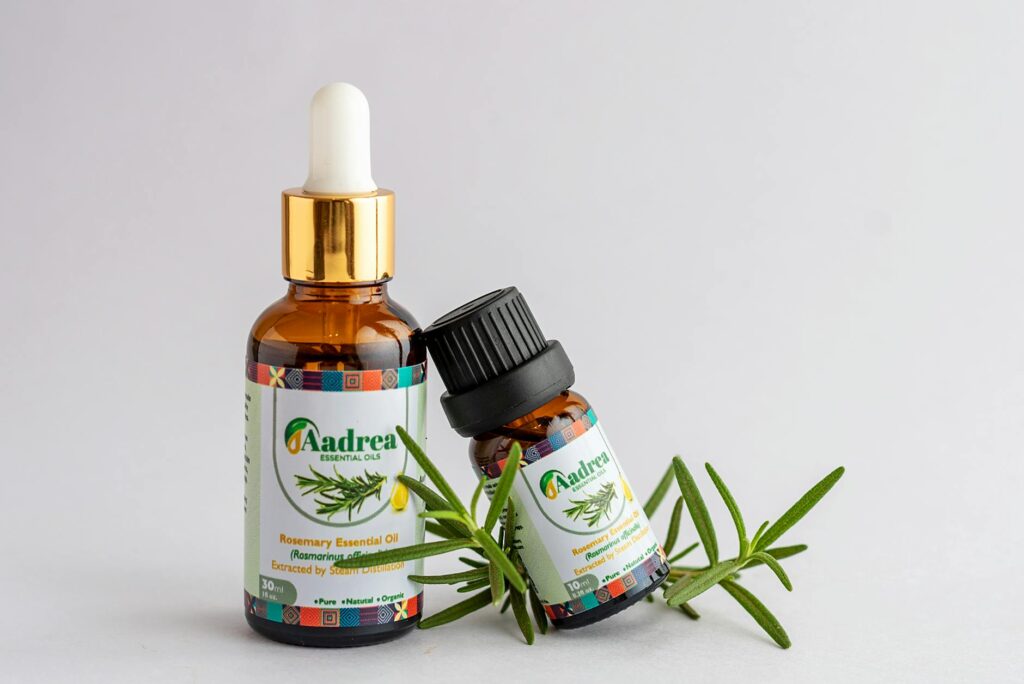
Complete Guide to Rosemary Oil Part 14
Introduction
Rosemary oil, derived from the leaves of the Rosmarinus officinalis plant, has been utilized for centuries due to its aromatic, culinary, and therapeutic properties. This essential oil is praised not only for its invigorating scent but also for its versatility in various applications, from cooking to aromatherapy. In this comprehensive guide, we will delve into the nature of rosemary oil, its benefits, common uses, and important safety considerations, providing a well-rounded understanding of this remarkable essential oil.
What Is Rosemary Oil?
Rosemary oil is an essential oil extracted from the leaves of the rosemary plant, a perennial herb native to the Mediterranean region. The extraction process typically involves steam distillation, which captures the volatile compounds responsible for the oil’s aroma and therapeutic properties. Rosemary has a history rooted in traditional medicine, culinary practices, and spiritual rituals, making its essential oil a valuable resource in contemporary holistic practices.
The primary constituents of rosemary oil include 1,8-cineole, camphor, alpha-pinene, and rosmarinic acid, which contribute to both its fragrance and its various potential benefits. The oil is characterized by a fresh, woody, and slightly herbal aroma, often described as stimulating and uplifting.
Key Benefits and Properties
Rosemary oil is celebrated for its numerous properties, which can be classified into several categories:
1. Antioxidant Properties
Rosemary oil is rich in antioxidants, which help combat oxidative stress in the body. These compounds can neutralize free radicals, potentially reducing cellular damage.
2. Anti-inflammatory Effects
Some studies suggest that rosemary oil may possess anti-inflammatory properties, which can be beneficial in alleviating discomfort associated with inflammation.
3. Antimicrobial Activity
Research indicates that rosemary oil exhibits antimicrobial effects, making it a potential natural alternative for inhibiting the growth of certain bacteria and fungi.
4. Cognitive Benefits
Rosemary oil is often linked to improved memory and concentration. Inhaling its aroma may stimulate brain activity, making it a popular choice for use during study sessions or tasks requiring focus.
5. Digestive Support
Traditionally, rosemary has been used to support digestion. Rosemary oil may promote healthy digestive functions and alleviate minor digestive discomfort when used appropriately.
Common Uses
The versatility of rosemary oil lends itself to a wide range of applications:
1. Culinary Uses
Rosemary oil can be used to flavor dishes, though it should be used sparingly due to its potency. It is commonly added to meats, vegetables, and sauces.
2. Cosmetic Applications
Rosemary oil is frequently found in shampoos, conditioners, and skincare products due to its potential benefits for hair and skin health. Its antibacterial properties may help in maintaining a clean and healthy scalp.
3. Household Cleaning
Thanks to its antimicrobial properties, rosemary oil can be incorporated into homemade cleaning solutions, contributing both scent and efficacy.
4. Massage and Body Care
When diluted with a carrier oil, rosemary oil is often used in massage therapy to relieve muscle tension and promote relaxation.
Aromatherapy Applications
Aromatherapy harnesses the benefits of essential oils through various methods of inhalation and topical application. Rosemary oil is commonly used in aromatherapy for the following purposes:
1. Diffusion
Using a diffuser, rosemary oil can fill a space with its invigorating aroma, promoting mental clarity and focus. It is often combined with other essential oils, such as lavender or peppermint, to enhance its effects.
2. Inhalation
Direct inhalation of rosemary oil can provide a quick boost to concentration and alertness. This can be done by placing a few drops on a tissue or using an inhaler designed for essential oils.
3. Topical Application
When diluted in a carrier oil, rosemary oil can be applied to the skin. This is particularly beneficial for localized areas of tension or discomfort.
4. Bathing
Adding rosemary oil to bathwater can create a refreshing and rejuvenating experience. It is often combined with Epsom salts for added relaxation.
Safety Considerations
While rosemary oil is generally considered safe when used appropriately, it is essential to take several safety considerations into account:
1. Dilution
Essential oils are highly concentrated and should be diluted with a carrier oil before applying to the skin to prevent irritation.
2. Allergies and Sensitivities
Individuals with allergies or sensitivities to rosemary or related plants should exercise caution. A patch test is advisable before widespread use.
3. Pregnancy and Nursing
Pregnant or nursing individuals should consult with a healthcare provider before using rosemary oil, as there may be limited research on its effects during these periods.
4. Children
Rosemary oil is not recommended for young children, particularly those under two years of age, due to potential respiratory irritations.
5. Pre-existing Conditions
Individuals with specific medical conditions or those taking medications should seek professional advice before incorporating rosemary oil into their routine.
Storage and Shelf Life
Proper storage is essential for maintaining the quality and potency of rosemary oil. Here are some guidelines:
1. Storage Conditions
Store rosemary oil in a cool, dark place away from direct sunlight and heat sources. An amber or dark glass bottle is ideal for protecting the oil from light degradation.
2. Shelf Life
When stored correctly, rosemary oil typically has a shelf life of 2 to 3 years. However, it is advisable to check for any changes in aroma or consistency before use, as these may indicate that the oil has degraded.
Frequently Asked Questions
1. Can rosemary oil be ingested?
While some culinary uses exist, ingestion of essential oils should be approached with caution and preferably under the guidance of a qualified professional.
2. Is rosemary oil safe for pets?
Rosemary oil can be toxic to certain animals, particularly cats and dogs. Always consult a veterinarian before using essential oils around pets.
3. Can rosemary oil help with hair growth?
Some anecdotal evidence suggests that rosemary oil may promote hair growth and improve scalp health. However, more research is needed to confirm these claims.
4. What are the best ways to use rosemary oil for relaxation?
Diffusing rosemary oil or adding it to a warm bath can create a calming atmosphere. Combining it with other relaxing oils, such as lavender, may enhance its effects.
5. How can I incorporate rosemary oil into my skincare routine?
Diluting rosemary oil in a carrier oil and applying it to the skin can help address oily skin and acne. It is crucial to perform a patch test first.
In conclusion, rosemary oil is a multifaceted essential oil with a rich history and a variety of applications. Its stimulating aroma, combined with its potential benefits, makes it a valuable addition to both home and wellness practices. Understanding its properties, uses, and safety considerations ensures that individuals can enjoy the advantages of rosemary oil responsibly and effectively.