
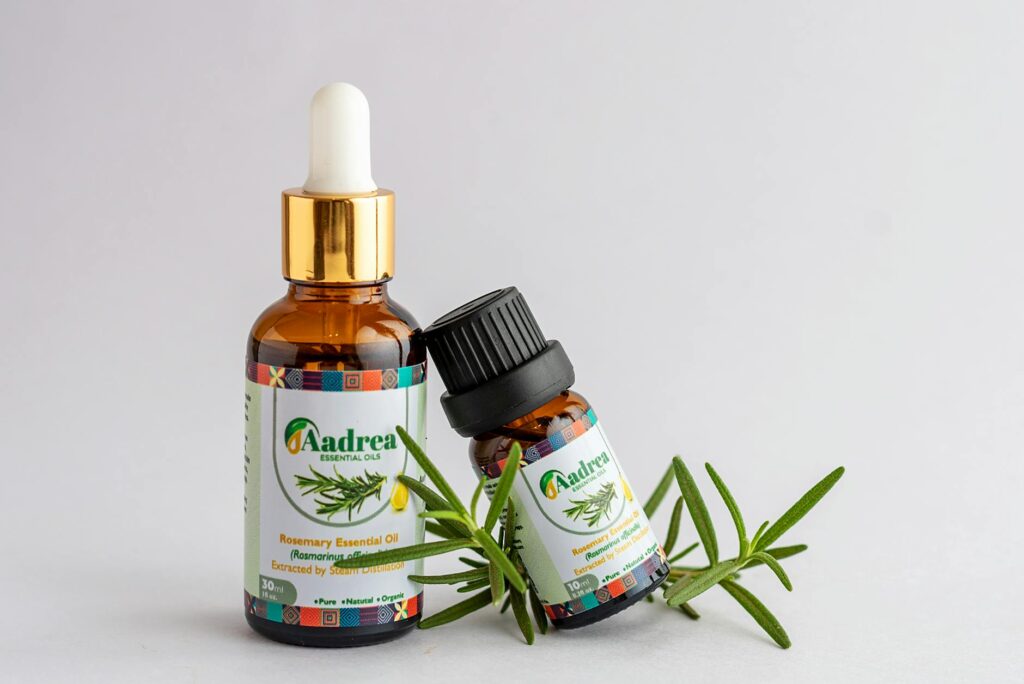
Complete Guide to Rosemary Oil Part 15
Introduction
Rosemary oil, derived from the leaves of the Rosmarinus officinalis plant, has been cherished for centuries for its aromatic properties and potential benefits. This essential oil is not only a staple in culinary practices but also plays a significant role in aromatherapy, skincare, and household applications. In this comprehensive guide, we will explore the various aspects of rosemary oil, including its definition, key benefits, common uses, and safety considerations.
What Is Rosemary Oil?
Rosemary oil is an essential oil extracted from the evergreen shrub known as rosemary. This plant is native to the Mediterranean region and thrives in warm climates. The extraction process typically involves steam distillation of the leaves, capturing the oil’s potent aromatic compounds. Rosemary oil possesses a fresh, herbaceous scent characterized by woody and slightly floral notes, making it a popular choice in both aromatherapy and perfumery.
The primary chemical constituents of rosemary oil include 1,8-cineole, camphor, alpha-pinene, and rosmarinic acid. Each of these compounds contributes to the oil’s unique aroma and potential benefits, making it a versatile addition to various applications.
Key Benefits and Properties
Rosemary oil is renowned for its diverse range of properties, which can be categorized into the following:
Antioxidant Properties
Research indicates that rosemary oil contains antioxidants, which help neutralize free radicals in the body. These compounds can contribute to overall health by protecting cells from oxidative stress.
Antimicrobial Effects
The oil has demonstrated antimicrobial properties, making it effective against certain bacteria and fungi. This characteristic can be particularly beneficial in household cleaning products or natural remedies.
Stimulating Properties
Rosemary oil is often associated with stimulating effects, particularly in relation to mental clarity and focus. Its invigorating aroma is believed to enhance cognitive function and improve mood.
Anti-inflammatory Effects
Some studies suggest that the compounds in rosemary oil may possess anti-inflammatory properties. This could make it useful in various applications, including skincare and massage.
Common Uses
Rosemary oil’s versatility allows it to be employed in various contexts. Here are some of the most common uses:
Culinary Uses
In culinary applications, rosemary oil is used sparingly due to its potent flavor. A few drops can enhance the taste of meats, vegetables, and marinades. However, it is essential to use food-grade rosemary oil for culinary purposes.
Aromatherapy
In aromatherapy, rosemary oil is frequently used in diffusers or inhalers to promote relaxation and mental clarity. Its invigorating scent can help uplift the mood, making it a popular choice for those seeking to improve focus.
Skincare
Rosemary oil is often included in skincare products due to its potential antibacterial and antioxidant properties. It can be diluted with carrier oils for topical application, targeting concerns such as acne or oily skin.
Hair Care
Many people incorporate rosemary oil into their hair care routines. It is said to promote hair growth and improve scalp health, often being added to shampoos or conditioners.
House Cleaning
Due to its antimicrobial properties, rosemary oil can serve as a natural cleaning agent. It can be added to homemade cleaning solutions for a pleasant scent and added efficacy against germs.
Aromatherapy Applications
In the realm of aromatherapy, rosemary oil is often used in various applications, including:
Diffusion
Using a diffuser, rosemary oil can be dispersed into the air, creating an invigorating environment. This method is ideal for enhancing mental clarity, making it suitable for study or workspaces.
Inhalation
Inhalation of rosemary oil can be achieved through direct breathing or by adding a few drops to a bowl of hot water. This technique can help clear the mind and promote alertness.
Massage
When diluted with a carrier oil, rosemary oil can be used in massage therapy. Its stimulating properties may aid in relieving muscle tension and promoting relaxation.
Bathing
Adding rosemary oil to bathwater can create a rejuvenating experience. Its aromatic qualities can enhance the sensory experience while providing potential benefits for the skin.
Safety Considerations
While rosemary oil is generally considered safe for most people, there are some important safety considerations to keep in mind:
Skin Sensitivity
Essential oils can be potent and may cause skin irritation in some individuals. A patch test is recommended before using rosemary oil topically. Dilution with a carrier oil is also advised.
Pregnancy and Breastfeeding
Pregnant or breastfeeding individuals should exercise caution when using essential oils, including rosemary oil. Consulting with a healthcare professional is advisable.
Epilepsy and High Blood Pressure
Rosemary oil may not be suitable for individuals with epilepsy or high blood pressure, as it can potentially exacerbate these conditions.
Use with Caution in Children
Essential oils should be used with caution around young children. It is advisable to consult a healthcare provider for guidance on safe usage.
Storage and Shelf Life
Proper storage is essential for maintaining the quality of rosemary oil. Here are some tips:
Storage Conditions
Rosemary oil should be stored in a cool, dark place, away from direct sunlight. Amber glass bottles are ideal for protecting the oil from light exposure.
Shelf Life
When stored correctly, rosemary oil typically has a shelf life of 1 to 3 years. However, its potency may diminish over time. It is advisable to check for changes in aroma or color as indicators of quality.
Frequently Asked Questions
Can I use rosemary oil for cooking?
Yes, rosemary oil can be used in cooking, but it should be food-grade and used sparingly due to its concentrated flavor.
How can I use rosemary oil for hair growth?
To potentially promote hair growth, rosemary oil can be diluted with a carrier oil and massaged into the scalp. This can be done a few times a week.
Is rosemary oil safe for pets?
Safety varies by species. While some pets may tolerate rosemary oil, others may be sensitive. It is best to consult a veterinarian before using essential oils around pets.
Can rosemary oil help with stress?
Many people find that the invigorating aroma of rosemary oil can help improve mood and alleviate stress. However, individual responses may vary.
How do I perform a patch test for rosemary oil?
To perform a patch test, dilute a small amount of rosemary oil with a carrier oil and apply it to a small area of skin. Wait 24 hours to see if any irritation occurs.
Conclusion
Rosemary oil is a remarkable essential oil with a rich history and diverse applications. Its benefits, ranging from culinary uses to aromatherapy, make it a valuable addition to any natural wellness regimen. By understanding its properties, common uses, and safety considerations, individuals can make informed choices about incorporating rosemary oil into their daily lives. Whether used for its aromatic qualities, skincare benefits, or household applications, rosemary oil continues to be celebrated for its versatility and natural allure.