
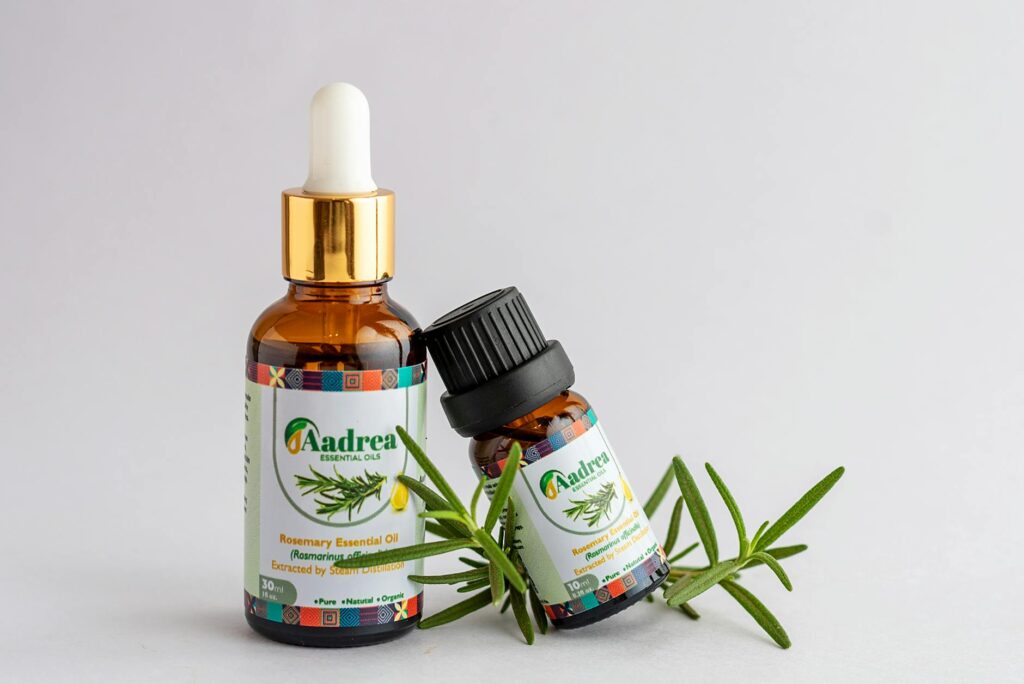
Complete Guide to Rosemary Oil Part 5
Introduction
Rosemary oil, derived from the leaves of the Rosmarinus officinalis plant, is a popular essential oil known for its aromatic and therapeutic properties. This guide seeks to provide a comprehensive understanding of rosemary oil, including its benefits, uses, and safety considerations. By exploring its various applications and characteristics, readers can gain a deeper appreciation for this remarkable oil.
What Is Rosemary Oil?
Rosemary oil is an essential oil extracted from the fresh or dried leaves of the rosemary plant. This perennial herb, native to the Mediterranean region, belongs to the mint family (Lamiaceae) and has been utilized for centuries in culinary, medicinal, and aromatic contexts. The extraction process typically involves steam distillation, which captures the oil’s potent compounds while retaining its natural fragrance.
The oil is characterized by its fresh, woody, and herbaceous scent, making it a staple in both natural perfumery and aromatherapy. Rosemary oil is composed of various bioactive compounds, including camphor, 1,8-cineole, and alpha-pinene, which contribute to its unique aroma and potential benefits.
Key Benefits and Properties
Rosemary oil is celebrated for its diverse range of properties. While it is essential to note that these benefits are often associated with aromatherapy and should not be interpreted as medical advice, they include:
- Antioxidant Properties: Rosemary oil contains antioxidants that may help protect cells from oxidative stress.
- Anti-inflammatory Effects: Certain compounds in rosemary oil may exhibit anti-inflammatory properties, which can be beneficial for various conditions.
- Antimicrobial Activity: Rosemary oil has been researched for its potential antimicrobial properties, making it a useful addition to natural cleaning products.
- Cognitive Enhancement: Some studies suggest that the aroma of rosemary oil may enhance memory and concentration, making it a popular choice for studying or working environments.
- Hair Care: Often included in hair care products, rosemary oil is believed to promote hair growth and improve scalp health.
- Culinary Uses: In its culinary form, rosemary is used to flavor meats, vegetables, and breads. While rosemary oil is potent, it can be used sparingly for flavoring when diluted appropriately.
- Skincare: Due to its antimicrobial and anti-inflammatory properties, rosemary oil is often found in skincare products. It may help with issues such as acne and oily skin when used in proper dilutions.
- Hair Care: Many hair care products incorporate rosemary oil for its potential to stimulate hair follicles and improve scalp health.
- Household Cleaning: Rosemary oil can be added to homemade cleaning solutions for its antimicrobial properties and pleasant scent.
- Massage: When blended with carrier oils, rosemary oil is frequently used in massage therapy, providing a refreshing aroma and promoting relaxation.
- Dilution: Always dilute rosemary oil with a carrier oil before applying it to the skin to prevent irritation. A common dilution ratio is 2-3 drops of essential oil per teaspoon of carrier oil.
- Pregnancy and Nursing: Pregnant or nursing women should consult with a healthcare professional before using rosemary oil, as certain compounds may not be advisable during these times.
- Allergies: Individuals with known allergies to rosemary or related plants should avoid using rosemary oil.
- Epilepsy and High Blood Pressure: Those with epilepsy or hypertension should exercise caution when using rosemary oil, as it may exacerbate these conditions.
- Patch Test: Perform a patch test before using rosemary oil on larger skin areas. This can help determine if there is any sensitivity or allergic reaction.
- Container: Store rosemary oil in dark glass bottles to protect it from light, which can degrade its quality.
- Temperature: Keep the oil in a cool, dry place, away from direct sunlight and heat sources. Ideal storage temperatures are between 60°F to 70°F (15°C to 21°C).
- Shelf Life: When stored properly, rosemary oil typically has a shelf life of 2-3 years. However, it’s essential to check for changes in scent or appearance, which may indicate the oil has expired.
Common Uses
Rosemary oil’s versatility allows it to be used in a variety of applications, including:
Aromatherapy Applications
In aromatherapy, rosemary oil is often used to create an uplifting and invigorating environment. Its stimulating scent is believed to enhance mental clarity, reduce fatigue, and promote emotional well-being. Here are some common applications in aromatherapy:
1. Diffusion: Adding a few drops of rosemary oil to a diffuser can help purify the air and energize a space. This method is ideal for workspaces or study areas.
2. Inhalation: Inhaling rosemary oil directly from the bottle or a tissue can provide immediate mental stimulation and help alleviate feelings of stress or fatigue.
3. Massage Blends: When diluted with a carrier oil, rosemary oil can be used in massage therapy to relieve muscle tension and enhance relaxation.
4. Bath Products: Adding rosemary oil to bath salts or oils can create a rejuvenating bathing experience. The steam helps release the oil’s aroma, promoting relaxation.
5. Mood Enhancement: Combining rosemary oil with other essential oils, such as lavender or bergamot, can create a balanced blend that promotes relaxation and mental clarity.
Safety Considerations
While rosemary oil is generally considered safe for most individuals when used properly, there are some important safety considerations to keep in mind:
Storage and Shelf Life
Proper storage is essential to maintain the quality and efficacy of rosemary oil. Here are some guidelines:
Frequently Asked Questions
1. Can rosemary oil be ingested?
While rosemary oil can be used in culinary applications in very small amounts, it is essential to consult with a healthcare professional before ingesting essential oils, as they are highly concentrated and may cause adverse effects if not used correctly.
2. Is rosemary oil safe for children?
Rosemary oil is not generally recommended for young children due to its potency. If considering its use for children, consult with a healthcare professional for guidance on safety and appropriate dilutions.
3. Can rosemary oil help with hair loss?
While some anecdotal evidence suggests that rosemary oil may promote hair growth, more research is needed to establish its effectiveness. It is often included in hair care products for its potential benefits.
4. How can I use rosemary oil in my skincare routine?
Rosemary oil can be added to carrier oils or skincare products to enhance their properties. Always ensure it is adequately diluted and perform a patch test to avoid irritation.
5. Can I use rosemary oil in a diffuser?
Yes, rosemary oil is suitable for use in diffusers. Adding a few drops can create an uplifting atmosphere and may enhance focus and concentration.
Conclusion
Rosemary oil is a multifaceted essential oil with a rich history of use in culinary, aromatic, and therapeutic practices. Its numerous benefits, combined with its delightful fragrance, make it a staple in many households. While exploring its applications, always prioritize safety and proper usage to maximize its potential. With the knowledge gained from this guide, you can confidently incorporate rosemary oil into your life, whether through aromatherapy, skincare, or culinary endeavors.