
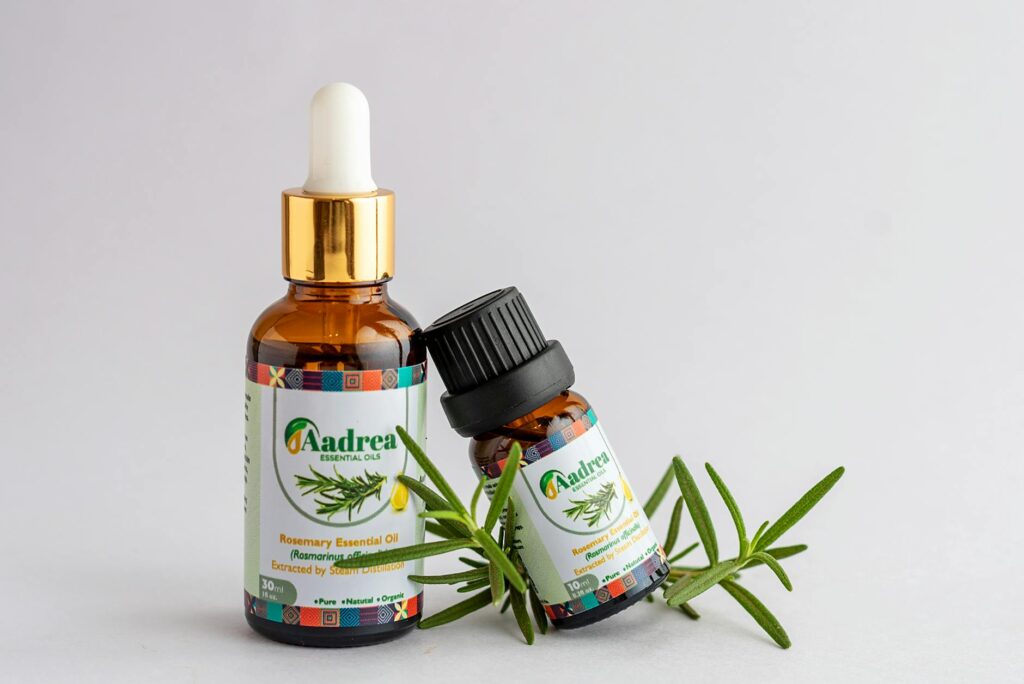
Complete Guide to Rosemary Oil Part 6
Introduction
Rosemary oil, derived from the aromatic herb Rosmarinus officinalis, has captivated humans for centuries with its invigorating fragrance and diverse applications. As an essential oil, it not only serves as a natural remedy for various ailments but also enhances culinary experiences and promotes mental clarity. This guide delves into the numerous facets of rosemary oil, outlining its composition, benefits, common uses, and safety considerations.
What Is Rosemary Oil?
Rosemary oil is an essential oil extracted from the leaves and flowering tops of the rosemary plant. This evergreen herb is native to the Mediterranean region and has been utilized in traditional medicine, cooking, and cosmetics for generations. The extraction process typically involves steam distillation, which captures the potent compounds within the plant, resulting in a concentrated oil that retains the herb’s characteristic aroma.
The chemical composition of rosemary oil includes various compounds, such as 1,8-cineole, camphor, and rosmarinic acid, which contribute to its distinctive scent and therapeutic properties. The oil is typically clear to pale yellow in color with a fresh, woody, and slightly minty fragrance.
Key Benefits and Properties
Rosemary oil boasts an array of beneficial properties that make it a versatile addition to both aromatherapy and natural wellness practices. Key benefits include:
1. Cognitive Enhancement: Research suggests that the aroma of rosemary oil may enhance memory and concentration. Some studies indicate that inhalation of the oil may improve cognitive performance and alertness.
2. Antioxidant Properties: Rosemary oil contains compounds that exhibit antioxidant activity, which can help neutralize free radicals and support overall cellular health.
3. Anti-inflammatory Effects: The oil is known for its potential anti-inflammatory properties, which may help alleviate minor discomfort and promote relaxation.
4. Antimicrobial Activity: Rosemary oil may possess antimicrobial properties, making it a popular choice for natural cleaning products and personal care items.
5. Hair Care: Often used in hair formulations, rosemary oil is believed to promote hair growth and scalp health due to its stimulating properties.
Common Uses
Rosemary oil has a wide range of applications, both in everyday life and in specialized practices. Some of the most common uses include:
- Culinary: Rosemary oil is used sparingly in cooking and baking to impart flavor to various dishes, particularly meats, breads, and roasted vegetables.
- Aromatherapy: The oil is commonly diffused in homes or used in massage practices. Its uplifting aroma is believed to promote a sense of well-being.
- Cosmetics: Many skincare and haircare products incorporate rosemary oil for its fragrance and potential benefits for skin and hair health.
- Household Cleaning: Due to its antimicrobial properties, rosemary oil is a popular ingredient in natural cleaning solutions, offering a pleasant scent while helping to sanitize surfaces.
- Dilution: Essential oils should not be applied directly to the skin without dilution. Always mix rosemary oil with a carrier oil before topical application to prevent skin irritation.
- Pregnancy and Nursing: Pregnant or nursing individuals should consult with a healthcare professional before using rosemary oil, as certain compounds may not be recommended during these periods.
- Allergies: Individuals with allergies to plants from the Lamiaceae family, such as mint or basil, should exercise caution when using rosemary oil, as they may be more susceptible to allergic reactions.
- Medical Conditions: Those with specific medical conditions, such as epilepsy or high blood pressure, should avoid rosemary oil unless otherwise advised by a healthcare professional.
- Children: Rosemary oil is not recommended for use in children under the age of two years.
- Storage Location: Keep rosemary oil in a cool, dark place, away from direct sunlight and heat sources. Exposure to light and heat can cause the oil to degrade more quickly.
- Container: Store the oil in a dark glass bottle to protect it from light. Avoid plastic containers, as essential oils can interact with plastic and compromise the oil’s integrity.
- Shelf Life: When stored properly, rosemary oil typically has a shelf life of around 2 to 3 years. It’s advisable to check for any changes in aroma, color, or consistency before use. If the oil smells rancid or has changed in appearance, it is best to discard it.
Aromatherapy Applications
In aromatherapy, rosemary oil is celebrated for its invigorating and uplifting properties. Here are some effective ways to incorporate rosemary oil into your aromatherapy practice:
1. Diffusion: Add a few drops of rosemary oil to a diffuser to fill your space with its refreshing scent. This practice can help create an energizing atmosphere, making it particularly beneficial in work or study environments.
2. Inhalation: For a quick pick-me-up, place a drop of rosemary oil on a cotton ball and inhale deeply. This method is often used to enhance focus and mental clarity.
3. Massage: Diluting rosemary oil with a carrier oil, such as jojoba or sweet almond oil, allows for its use in massage. This combination not only provides a soothing experience but also promotes relaxation and relief from tension.
4. Bath: Adding rosemary oil to bathwater can create a rejuvenating experience. Combine a few drops with a carrier oil or bath salts to ensure even distribution in the water.
5. Topical Applications: When diluted properly, rosemary oil can be applied to the skin to support hair health or alleviate minor discomfort. Always conduct a patch test to ensure no allergic reaction occurs.
Safety Considerations
While rosemary oil is generally considered safe for most people when used appropriately, there are some considerations to keep in mind:
Storage and Shelf Life
Proper storage is essential to maintain the potency and quality of rosemary oil. Consider the following guidelines:
Frequently Asked Questions
1. Can I use rosemary oil while cooking?
Yes, rosemary oil can be used sparingly in culinary applications. It should be used in moderation, as essential oils are highly concentrated.
2. Is rosemary oil safe for pets?
Rosemary oil can be toxic to some pets, particularly cats and dogs, if ingested in significant quantities. It is best to consult with a veterinarian before using rosemary oil around pets.
3. How can I incorporate rosemary oil into my skincare routine?
Diluting rosemary oil with a carrier oil can be an effective way to incorporate it into skincare. It is often added to facial oils or creams for its potential benefits.
4. Can rosemary oil help with hair growth?
Many people use rosemary oil in hair care for its reputed ability to promote hair growth. However, results can vary, and it should be used as part of a broader hair care regimen.
5. How do I conduct a patch test for rosemary oil?
To perform a patch test, dilute a drop of rosemary oil in a carrier oil and apply a small amount to an inconspicuous area of skin. Wait 24 hours to check for any adverse reactions.
Conclusion
Rosemary oil is a multifaceted essential oil that offers a wide range of benefits and applications. From its culinary uses to its role in aromatherapy and skincare, this aromatic oil has cemented its place in both traditional and modern practices. By understanding its properties, uses, and safety considerations, individuals can effectively incorporate rosemary oil into their daily routines and appreciate its many advantages.