
Complete Guide to Rosemary Oil Part 7
Introduction
Rosemary oil, derived from the leaves of the Rosmarinus officinalis plant, has been a staple in both culinary and medicinal practices for centuries. This essential oil is celebrated not only for its aromatic properties but also for its versatility in various uses, ranging from cooking and natural remedies to beauty and household applications. In this article, we will explore the characteristics, benefits, and safe usage of rosemary oil, along with its applications in aromatherapy.
What Is Rosemary Oil?
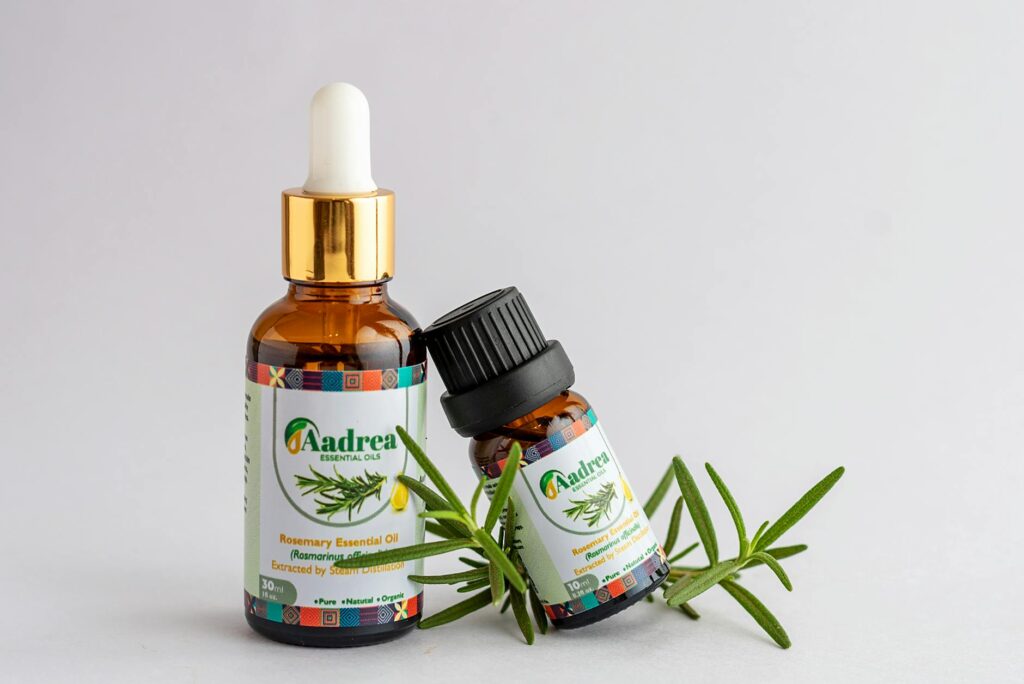
Rosemary oil is an essential oil extracted from the leaves of the rosemary plant, a perennial herb native to the Mediterranean region. The extraction process typically involves steam distillation, which captures the volatile compounds that give the oil its unique scent and properties. The main constituents of rosemary oil include 1,8-cineole, camphor, and alpha-pinene, among others. These compounds contribute to the oil’s characteristic fragrance and its various therapeutic properties.
Rosemary has long been revered for its culinary uses, often added to dishes for flavor enhancement. However, its essential oil form offers a concentrated source of its beneficial compounds, making it a popular choice in aromatherapy and natural wellness practices.
Key Benefits and Properties
Rosemary oil is associated with a variety of beneficial properties:
1. Antioxidant Properties: Rosemary oil is rich in antioxidants, which can help combat oxidative stress and protect cells from damage caused by free radicals.
2. Anti-inflammatory Effects: The compounds in rosemary oil may help reduce inflammation, making it a popular choice for topical applications.
3. Cognitive Support: Some studies suggest that the aroma of rosemary oil may improve memory and concentration, making it a favorite in study and work environments.
4. Digestive Aid: Traditionally, rosemary has been used to support digestive health, with the oil potentially aiding in the relief of gastrointestinal discomfort.
5. Hair Care: Rosemary oil is often included in hair care products due to its potential to stimulate hair growth and improve scalp health.
6. Mood Enhancement: The invigorating scent of rosemary oil is believed to uplift mood and alleviate stress, making it useful in aromatherapy practices.
Common Uses
Rosemary oil can be utilized in various ways, including but not limited to:
1. Culinary Uses: A few drops of rosemary oil can enhance the flavor of dishes like roasted vegetables, meats, and sauces. However, care should be taken due to its potency; a small amount goes a long way.
2. Cosmetic Applications: The oil is often found in skincare products and shampoos, valued for its ability to promote healthy skin and hair.
3. Household Cleaner: Due to its antibacterial properties, rosemary oil can be an effective natural cleaner when diluted in water and vinegar.
4. Massage Oil: When blended with a carrier oil, rosemary oil can be used for massage to help relieve muscle tension and promote relaxation.
Aromatherapy Applications
Aromatherapy is one of the most popular uses for rosemary oil, capitalizing on its aromatic properties to promote emotional and mental well-being. Here are some common applications:
1. Diffusion: Adding a few drops of rosemary oil to a diffuser can create an invigorating atmosphere, ideal for studying or working.
2. Inhalation: Inhaling the aroma directly from the bottle or by placing a few drops on a tissue can provide an instant mood boost and promote alertness.
3. Massage: When blended with a carrier oil, rosemary oil can be used in massage to relieve tension and stimulate circulation.
4. Bathing: Adding rosemary oil to bathwater can create a soothing and aromatic experience, promoting relaxation and mental clarity.
5. Room Spray: A homemade room spray with rosemary oil and water can freshen up spaces and purify the air.
Safety Considerations
While rosemary oil is generally safe for use, there are important safety considerations to keep in mind:
1. Dilution: Essential oils are highly concentrated and should be diluted before applying to the skin. A common recommendation is to mix 1-2 drops of rosemary oil with a carrier oil, such as coconut or jojoba oil.
2. Patch Test: Before using rosemary oil topically, conduct a patch test by applying a small amount of diluted oil to a small area of skin to check for any adverse reactions.
3. Pregnancy and Nursing: Pregnant or nursing women should exercise caution and consult with a healthcare professional before using rosemary oil.
4. Epilepsy: Individuals with epilepsy or a history of seizures should avoid using rosemary oil, as it may trigger seizures in susceptible individuals.
5. Allergies: Those with allergies to plants in the Lamiaceae family (such as basil, lavender, or mint) should approach rosemary oil with caution.
Storage and Shelf Life
Proper storage of rosemary oil is crucial to maintaining its quality and efficacy. Here are some tips:
1. Dark Glass Bottles: Store the oil in dark glass bottles to protect it from light, which can degrade its quality.
2. Cool, Dry Place: Keep rosemary oil in a cool, dry place away from direct sunlight and heat sources.
3. Tightly Sealed: Ensure that the bottle is tightly sealed to prevent oxidation, which can alter the oil’s properties.
The shelf life of rosemary oil is typically around 1-3 years when stored properly. Always check for changes in color, scent, or viscosity before use, as these may indicate that the oil has gone bad.
Frequently Asked Questions
1. Can rosemary oil be ingested?
While some people use rosemary oil in cooking, it is essential to do so sparingly and ensure that it is food-grade. Always consult with a knowledgeable source before considering ingestion.
2. Is rosemary oil safe for children?
Caution is advised when using essential oils around children. For children under the age of two, it’s best to avoid using rosemary oil altogether. For older children, consult a healthcare professional for guidance on appropriate use.
3. How can I use rosemary oil for hair growth?
To promote hair growth, rosemary oil can be diluted in a carrier oil and massaged into the scalp. Regular application may help stimulate circulation and improve scalp health.
4. Can rosemary oil help with headaches?
While some people find relief from headaches through the use of rosemary oil in aromatherapy or topical applications, individual results may vary. Always monitor how your body responds to essential oils.
5. What other essential oils blend well with rosemary oil?
Rosemary oil blends well with several other essential oils, including lavender, peppermint, and lemon. These combinations can enhance the aromatic experience and provide additional benefits.
Conclusion
Rosemary oil is a versatile essential oil with a rich history and a wide array of benefits. Whether used in cooking, beauty products, or aromatherapy, its unique properties make it a valuable addition to any wellness regimen. By understanding its uses and safety considerations, you can effectively incorporate rosemary oil into your daily life and enjoy the myriad of benefits it has to offer. Always remember that essential oils are potent substances and should be used responsibly to ensure a safe and enjoyable experience.