
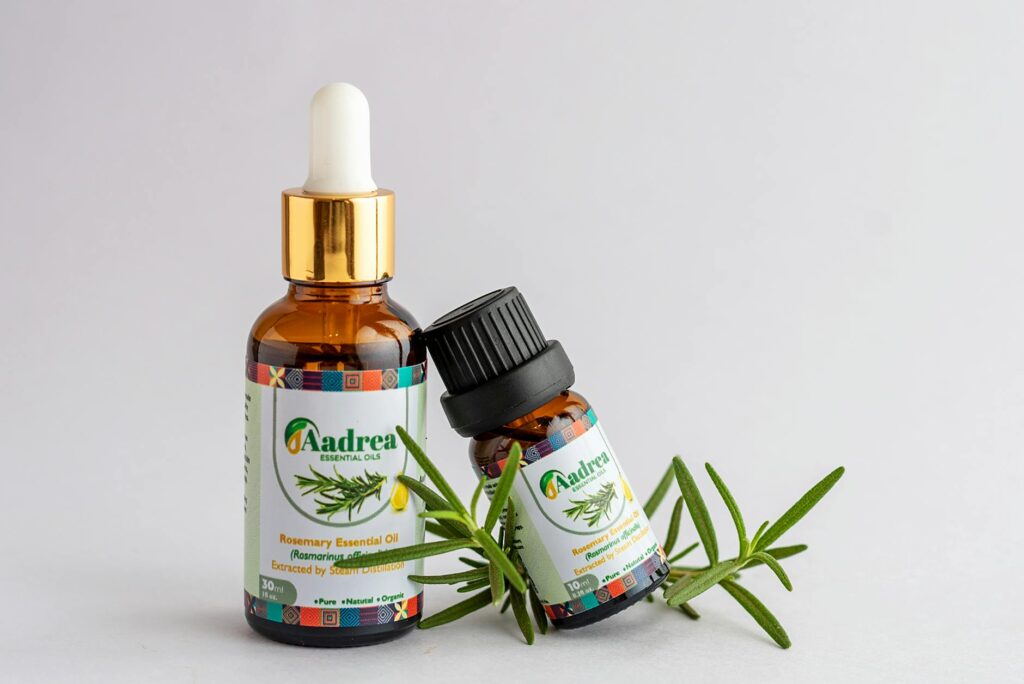
Complete Guide to Rosemary Oil
Introduction
Rosemary oil, derived from the leaves of the Rosmarinus officinalis plant, has been used for centuries in a variety of applications ranging from culinary uses to traditional medicine. This essential oil is celebrated for its distinct aroma and numerous beneficial properties. In this guide, we will explore what rosemary oil is, its key benefits, common uses, applications in aromatherapy, safety considerations, proper storage, and address frequently asked questions.
What Is Rosemary Oil?
Rosemary oil is an essential oil obtained through the steam distillation of the flowering tops and leaves of the rosemary plant, which is a member of the mint family (Lamiaceae). Native to the Mediterranean region, rosemary has a long history of use in various cultures, often associated with purification and remembrance. The oil has a fresh, herbaceous scent that can invigorate and stimulate the senses.
The chemical composition of rosemary oil largely consists of terpenes, with 1,8-cineole, camphor, and alpha-pinene being some of its primary constituents. These compounds contribute not only to the oil’s unique fragrance but also to its array of potential benefits.
Key Benefits and Properties
Rosemary oil is known for several beneficial properties, including:
1. Antioxidant Properties
Rosemary oil contains compounds that can help neutralize free radicals, thereby protecting cells from oxidative stress. This antioxidant activity may support overall health and well-being.
2. Anti-Inflammatory Effects
The anti-inflammatory properties of rosemary oil may help reduce inflammation in the body. This quality makes it a popular choice among those seeking natural alternatives for discomfort.
3. Cognitive Enhancement
Research suggests that the aroma of rosemary oil may have a positive effect on cognitive performance and memory. Its invigorating scent is often associated with increased alertness and concentration.
4. Antimicrobial Activity
Rosemary oil has demonstrated antimicrobial properties, making it effective against certain bacteria and fungi. This makes it a popular choice in natural cleaning solutions and personal care products.
5. Hair and Scalp Health
Rosemary oil is often included in hair care products due to its potential to promote hair growth and improve scalp health. Some believe it may help reduce dandruff and strengthen hair follicles.
Common Uses
Rosemary oil is versatile and can be used in various ways, including:
1. Culinary Uses
In cooking, rosemary leaves are commonly used to flavor meats, vegetables, and breads. While essential oils are more concentrated, culinary-grade rosemary oil can be used sparingly to enhance dishes.
2. Skincare
Due to its antimicrobial and anti-inflammatory properties, rosemary oil is often included in skincare products. It may help with acne and oily skin by balancing sebum production.
3. Household Cleaning
The antimicrobial properties of rosemary oil make it a suitable ingredient in homemade cleaning solutions. It can be added to vinegar or baking soda for an effective natural cleaner.
4. Hair Care
Rosemary oil is frequently added to shampoos and conditioners. It can be used in scalp massages to promote circulation and support hair health.
5. Massage Oil
When diluted with a carrier oil, rosemary oil can be used for massage therapy. Its invigorating scent can enhance the relaxation experience.
Aromatherapy Applications
In aromatherapy, rosemary oil is used for its uplifting and stimulating properties. Here are some common applications:
1. Diffusion
Adding a few drops of rosemary oil to a diffuser can fill a room with its refreshing aroma, promoting mental clarity and focus.
2. Inhalation
Inhaling rosemary oil directly from the bottle or from a cotton ball can provide an immediate boost to energy levels and concentration.
3. Bathing
Adding rosemary oil to a warm bath can enhance relaxation while stimulating the senses. Ensure that it is well-diluted in a carrier oil or bath salt.
4. Personal Inhalers
Creating a personal inhaler with rosemary oil can provide an on-the-go option for those who wish to benefit from its invigorating properties throughout the day.
Safety Considerations
While rosemary oil is generally considered safe for most people when used appropriately, there are some important safety considerations:
1. Dilution
Essential oils are highly concentrated and should be diluted before topical application. A common recommendation is to use one to three drops of rosemary oil per tablespoon of carrier oil.
2. Skin Sensitivity
Some individuals may experience skin irritation or allergic reactions. It is advisable to conduct a patch test before using rosemary oil on larger areas of the skin.
3. Avoid During Pregnancy
Pregnant individuals should avoid using rosemary oil, as it may stimulate uterine contractions.
4. Not for Young Children
Due to the potency of rosemary oil, it is not recommended for use on infants or young children.
5. Consult a Professional
Individuals with specific health conditions or those taking medications should consult a healthcare professional before using rosemary oil.
Storage and Shelf Life
Proper storage of rosemary oil is essential to maintain its potency and extend its shelf life. Here are some guidelines:
1. Keep It Cool and Dark
Store rosemary oil in a cool, dark place away from direct sunlight. UV rays and heat can degrade the oil over time.
2. Use Dark Glass Containers
Dark glass bottles, such as amber or cobalt, help protect the oil from light exposure, further preserving its quality.
3. Seal Tightly
Ensure that the bottle is sealed tightly to prevent evaporation and oxidation, which can affect the oil’s aroma and efficacy.
4. Shelf Life
When stored correctly, rosemary oil typically has a shelf life of about three to four years. It is advisable to check for any changes in aroma, color, or viscosity before use.
Frequently Asked Questions
1. Can rosemary oil be ingested?
While some culinary-grade rosemary oil can be used in cooking, it is essential to use it sparingly and ensure it is safe for consumption. Always consult a knowledgeable source or professional.
2. Is rosemary oil safe for pets?
Rosemary oil should be used with caution around pets, as some animals may be sensitive to essential oils. It is advisable to consult a veterinarian before using it in the presence of pets.
3. How can I incorporate rosemary oil into my daily routine?
Consider adding rosemary oil to your skincare regimen, using it in your hair care products, or diffusing it in your home for an uplifting atmosphere.
4. What is the best way to dilute rosemary oil?
A common dilution ratio is one to three drops of rosemary oil per tablespoon of carrier oil, such as jojoba, coconut, or olive oil.
5. Can rosemary oil help with headaches?
Some people find that inhaling rosemary oil or applying it to the temples (when diluted) may provide relief from tension headaches, but results can vary.
Conclusion
Rosemary oil is a versatile essential oil with a rich history and a wide array of applications. From its culinary uses to its benefits in skincare and aromatherapy, it offers something for everyone. However, it is important to use rosemary oil safely and responsibly. By following the guidelines outlined in this guide, you can enjoy the many benefits of this remarkable oil while ensuring a pleasant and safe experience.