
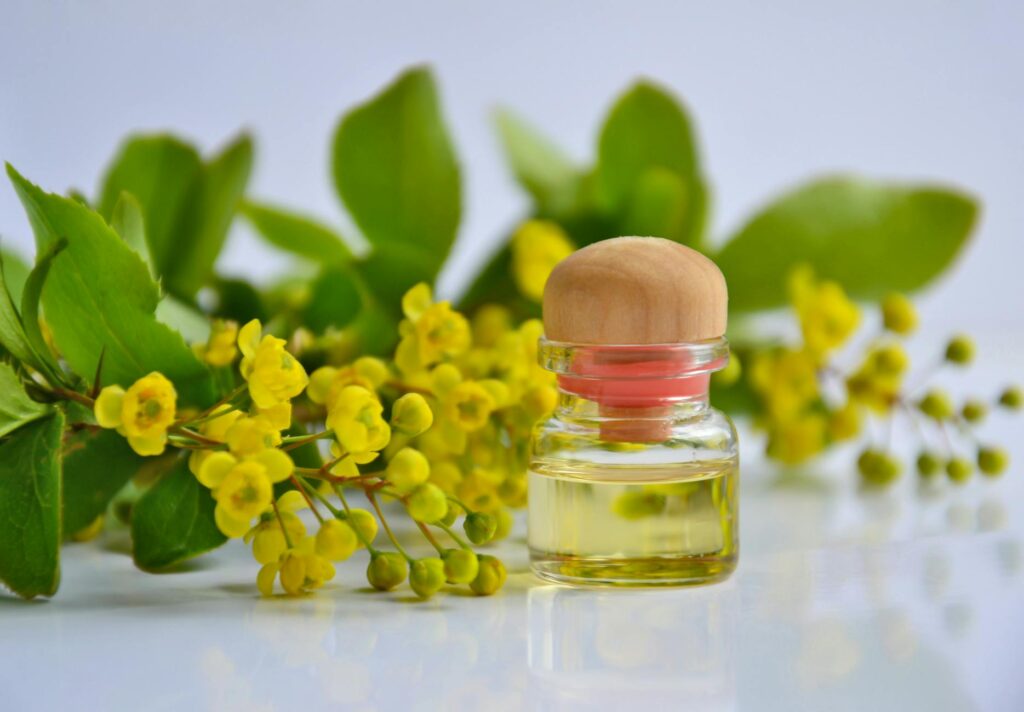
Complete Guide to Safflower Oil Part 1
Introduction
Safflower oil, derived from the seeds of the safflower plant (Carthamus tinctorius), has been utilized for centuries across various cultures for its culinary, cosmetic, and therapeutic properties. This versatile oil is gaining popularity in the fields of aromatherapy and holistic wellness, thanks to its beneficial properties and applications. This guide will explore the nature of safflower oil, its benefits, uses, and safety considerations, providing a comprehensive overview for those interested in incorporating it into their wellness practices.
What Is Safflower Oil?
Safflower oil is extracted from the seeds of the safflower plant, which is a thistle-like flowering plant native to regions of Asia, Africa, and the Mediterranean. The oil is cold-pressed or refined, resulting in a light, mild oil that is often colorless or pale yellow. It is composed primarily of unsaturated fatty acids, particularly linoleic acid (an omega-6 fatty acid), and oleic acid (an omega-9 fatty acid). Its high smoke point of around 450°F (232°C) makes it a popular choice for cooking, while its skin-nourishing properties render it beneficial in cosmetic formulations.
Key Benefits and Properties
Safflower oil boasts a range of beneficial properties that make it a valuable addition to both culinary and therapeutic practices. Some notable benefits include:
1. Nutrient-Rich Composition
Safflower oil is rich in essential fatty acids, vitamins, and antioxidants. These components contribute to its ability to support overall health, skin integrity, and cellular functions.
2. Moisturizing and Emollient
The oil is an effective moisturizer due to its lightweight texture and non-greasy feel. It penetrates the skin easily, making it an excellent choice for hydrating formulations.
3. Anti-Inflammatory Properties
Research suggests that safflower oil may possess anti-inflammatory properties, which can be beneficial for soothing irritated skin and reducing redness.
4. High Smoke Point
With its high smoke point, safflower oil is appropriate for various cooking methods, including frying and sautéing, without breaking down and producing harmful compounds.
5. Heart Health
Due to its high content of unsaturated fats, safflower oil is often recommended as a heart-healthy alternative to saturated fats, potentially contributing to improved cholesterol levels.
Common Uses
Safflower oil serves a multitude of purposes across different domains:
Culinary Uses
In the kitchen, safflower oil is primarily used for frying, sautéing, and salad dressings. Its mild flavor complements a variety of dishes without overpowering other ingredients. It is also a popular ingredient in commercial food products.
Cosmetic and Skincare Applications
Safflower oil is commonly found in skincare products such as lotions, creams, and serums. Its moisturizing properties make it suitable for dry or sensitive skin, while its ability to absorb quickly can help improve skin texture.
Hair Care
In hair care formulations, safflower oil can nourish the scalp, enhance shine, and promote healthy hair growth. It is often used in shampoos, conditioners, and hair masks.
Dietary Supplement
Safflower oil is available in capsule form as a dietary supplement, often marketed for its potential health benefits, including heart health and weight management.
Aromatherapy Applications
While safflower oil is not commonly used as an essential oil in traditional aromatherapy, its carrier oil properties make it an excellent medium for diluting essential oils. When blended with essential oils, safflower oil can enhance the therapeutic benefits of the oils while providing a nourishing base for topical applications.
Blending with Essential Oils
Safflower oil can be used to dilute more potent essential oils, making them safe for skin application. Some popular essential oils to blend with safflower oil include:
- Lavender: Promotes relaxation and can help alleviate stress.
- Tea Tree: Known for its antiseptic properties, it can be beneficial for acne-prone skin.
- Peppermint: Offers a refreshing scent that can invigorate and energize.
Massage Oil
When blended with essential oils, safflower oil can serve as an effective massage oil. Its smooth texture and moisturizing properties allow for seamless gliding on the skin, enhancing the massage experience while delivering the benefits of the essential oils.
Safety Considerations
While safflower oil is generally considered safe for most individuals, it is essential to take certain precautions:
Skin Sensitivity
Before using safflower oil topically, it is advisable to conduct a patch test to check for any allergic reactions or sensitivities. Apply a small amount of the oil to a discreet area of skin and monitor for any adverse effects over 24 hours.
Avoiding Overuse
Using too much safflower oil in recipes or skincare formulations can lead to an imbalance in fatty acid intake. Moderation is key to ensuring a balanced diet and skin care routine.
Consultation
Individuals with specific health conditions or those who are pregnant or breastfeeding should consult a qualified healthcare professional before adding safflower oil to their diet or skincare regimen.
Storage and Shelf Life
To maintain the quality and effectiveness of safflower oil, proper storage is essential:
Storage Conditions
Safflower oil should be stored in a cool, dark place away from direct sunlight. Exposure to light and heat can degrade the oil and reduce its beneficial properties.
Shelf Life
The shelf life of safflower oil typically ranges from 6 months to 1 year, depending on the extraction method and storage conditions. It is advisable to check for signs of rancidity, such as an off smell or taste, before use.
Frequently Asked Questions
1. Is safflower oil suitable for all skin types?
Safflower oil is generally safe for most skin types, including dry and sensitive skin. However, individuals with oily or acne-prone skin should use it cautiously and in moderation.
2. Can safflower oil be used for cooking?
Yes, safflower oil is suitable for various cooking methods due to its high smoke point and neutral flavor.
3. What is the difference between safflower oil and saffron oil?
Safflower oil is extracted from the seeds of the safflower plant, while saffron oil is derived from the stigma of the saffron crocus flower. They have different uses and properties.
4. Can safflower oil be used for weight loss?
While safflower oil is often marketed for its potential weight management benefits, it should be used as part of a balanced diet and healthy lifestyle.
5. Is safflower oil safe for pregnant women?
Pregnant women should consult a healthcare professional before using safflower oil in their diet or skincare regimen.
Conclusion
Safflower oil is a versatile and beneficial oil that has found its place in culinary, cosmetic, and aromatherapy applications. Its rich composition and numerous properties make it an appealing choice for those looking to enhance their wellness practices. In the subsequent part of this guide, we will delve deeper into specific recipes, blending techniques, and advanced applications of safflower oil in aromatherapy and holistic health. Stay tuned for more insights into this remarkable oil and its potential benefits.