
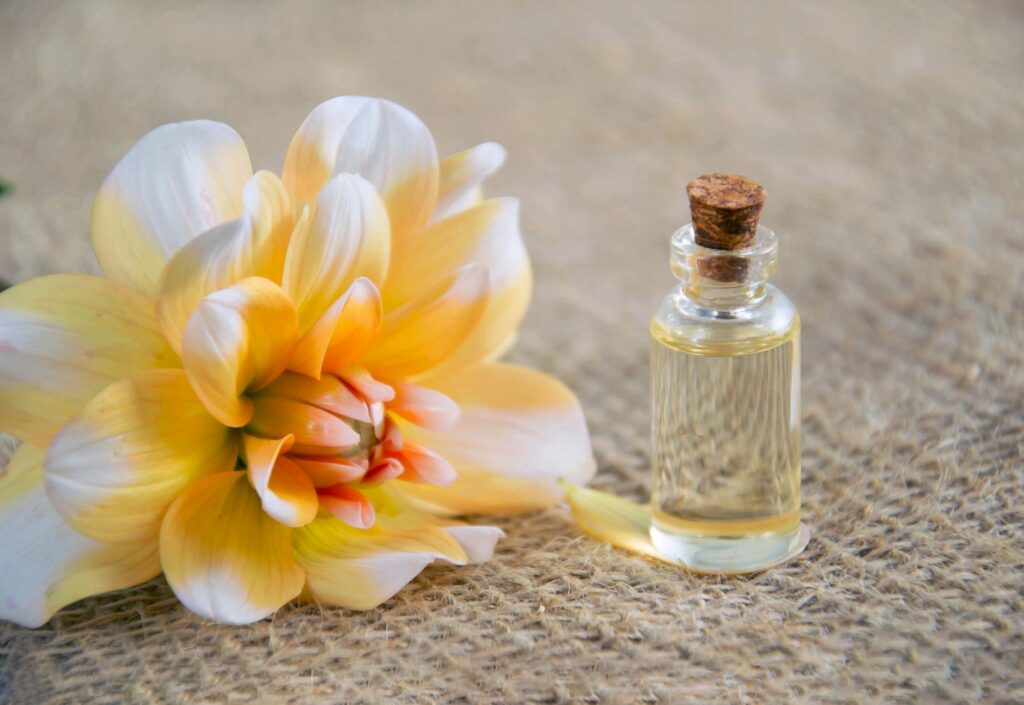
Complete Guide to Safflower Oil Part 3
Introduction
Safflower oil, derived from the seeds of the safflower plant (Carthamus tinctorius), has garnered attention in both culinary and wellness spheres. Known for its light texture and mild flavor, it has been utilized for centuries in various cultures for cooking and traditional medicine. This article explores the properties, benefits, and applications of safflower oil, particularly in the realm of aromatherapy and holistic practices.
What Is Safflower Oil?
Safflower oil is extracted from the seeds of the safflower plant, which is native to regions such as the Mediterranean and parts of Asia. The extraction process typically involves cold pressing or solvent extraction, yielding a light, pale yellow oil with a neutral aroma. Safflower oil is rich in unsaturated fatty acids, particularly oleic and linoleic acids, making it highly valued for its nutritional and therapeutic properties.
This oil is often categorized into two main types: high-oleic and high-linoleic safflower oil. High-oleic safflower oil contains a higher concentration of monounsaturated fats, while high-linoleic safflower oil is richer in polyunsaturated fats. Each type offers distinct benefits and applications, making safflower oil a versatile option for various uses.
Key Benefits and Properties
Nutritional Profile
Safflower oil is an excellent source of unsaturated fats, which are beneficial for heart health. It also contains vitamin E, a powerful antioxidant that helps combat oxidative stress in the body. The oil’s fatty acid composition may aid in maintaining healthy cholesterol levels and supporting overall cardiovascular health.
Skin Benefits
Safflower oil is often used in skincare due to its moisturizing properties. The oil is easily absorbed by the skin, making it an ideal carrier oil for essential oils in aromatherapy. Its non-comedogenic nature means it does not clog pores, making it suitable for various skin types, including oily and acne-prone skin.
Anti-inflammatory Properties
Research indicates that safflower oil may possess anti-inflammatory properties, which can be beneficial for reducing redness and irritation in the skin. The presence of linoleic acid, in particular, has been associated with improved skin barrier function and a reduction in inflammatory responses.
Common Uses
Culinary Applications
In the kitchen, safflower oil is favored for its high smoke point, making it suitable for frying, sautéing, and baking. Its mild flavor allows it to enhance dishes without overpowering other ingredients. It is also commonly used in salad dressings, marinades, and as a base for sauces.
Cosmetic Uses
Due to its skin-nourishing properties, safflower oil is a popular ingredient in various cosmetic formulations, including moisturizers, serums, and hair products. It can also be used as a standalone moisturizer or as a carrier oil for essential oils in massage blends.
Industrial Applications
Beyond culinary and cosmetic uses, safflower oil is also employed in the production of paint, varnish, and soap due to its emollient properties. Its versatility makes it a valuable resource in various industries.
Aromatherapy Applications
In the field of aromatherapy, safflower oil serves primarily as a carrier oil. Its light texture and neutral scent make it an excellent base for diluting essential oils before topical application. Common essential oils that pair well with safflower oil include lavender, eucalyptus, and tea tree oil.
Blending with Essential Oils
When creating blends for relaxation or rejuvenation, safflower oil can help facilitate the absorption of essential oils into the skin. A typical dilution ratio is 2-3 drops of essential oil per teaspoon of safflower oil. This combination can be used for massage, added to bathwater, or applied directly to pulse points.
Emotional Well-Being
While safflower oil itself is not aromatic, its use as a carrier oil in aromatherapy can enhance the overall experience. The soothing properties of the essential oils combined with safflower oil can promote relaxation and emotional balance, making it a valuable tool in holistic wellness practices.
Safety Considerations
Safflower oil is generally regarded as safe for most individuals when used appropriately. However, there are some considerations to keep in mind:
Allergies
While rare, some individuals may experience allergic reactions to safflower oil. It is advisable to conduct a patch test before using the oil topically, especially for those with known sensitivities to plants in the Asteraceae family.
Pregnancy and Nursing
While safflower oil is commonly used in food and skincare, pregnant or nursing individuals should consult a healthcare professional before incorporating it into their routines, particularly in concentrated forms or as part of essential oil blends.
Storage and Handling
To maintain the quality of safflower oil, it is essential to store it in a cool, dark place, away from direct sunlight and heat. Keeping the oil in a tightly sealed container will help prevent oxidation and preserve its beneficial properties.
Storage and Shelf Life
Safflower oil typically has a shelf life of around 12 to 24 months, depending on its exposure to light, heat, and air. To maximize its longevity:
- Store in a Cool, Dark Place: A pantry or cupboard away from heat sources is ideal.
- Use Dark Glass Containers: Amber or cobalt blue bottles can protect the oil from light degradation.
- Seal Tightly After Use: Ensure the cap is securely fastened to prevent air exposure.
If the oil develops an off smell, changes in color, or appears cloudy, it is advisable to discard it, as these may be signs of rancidity.
Frequently Asked Questions
1. Can safflower oil be used for cooking?
Yes, safflower oil is commonly used in cooking due to its high smoke point and mild flavor. It can be used for frying, baking, and as a base for salad dressings.
2. Is safflower oil suitable for all skin types?
Safflower oil is generally considered suitable for various skin types, including oily and acne-prone skin, due to its non-comedogenic nature. However, it is always wise to conduct a patch test for individual sensitivities.
3. How should safflower oil be used in aromatherapy?
Safflower oil is primarily used as a carrier oil in aromatherapy. It can be blended with essential oils for topical application, massage, or added to bathwater for a soothing experience.
4. What is the difference between high-oleic and high-linoleic safflower oil?
High-oleic safflower oil contains a higher concentration of monounsaturated fats, while high-linoleic safflower oil is richer in polyunsaturated fats. Each type has distinct nutritional and functional properties, making them suitable for different applications.
5. How can I tell if safflower oil has gone bad?
Signs of rancidity in safflower oil include an off smell, changes in color, or cloudiness. If any of these changes occur, it is best to discard the oil.
Conclusion
Safflower oil is a multifaceted oil with diverse applications in culinary, cosmetic, and aromatherapy contexts. Its beneficial properties, including skin nourishment and nutritional benefits, make it a valuable addition to health and wellness practices. By understanding its uses, benefits, and safety considerations, individuals can incorporate safflower oil effectively into their holistic lifestyle.