
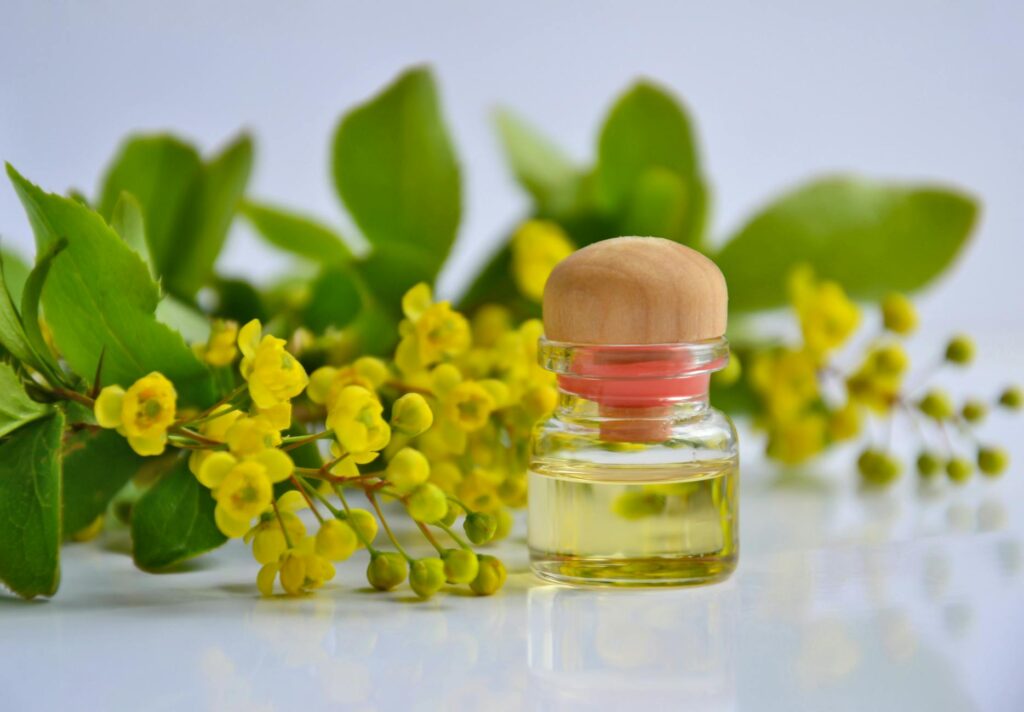
Complete Guide to Safflower Oil Part 3
Introduction
Safflower oil has gained prominence in the realm of natural oils and aromatherapy due to its versatile properties and applications. Derived from the seeds of the safflower plant (Carthamus tinctorius), it is known for its light texture and potential benefits for both culinary and cosmetic uses. In this comprehensive guide, we will explore the characteristics of safflower oil, its benefits, common applications, safety considerations, and more.
What Is Safflower Oil?
Safflower oil is extracted from the seeds of the safflower plant, which is native to regions of Asia and Africa. The oil is typically obtained through a process of cold pressing or refining, which helps maintain its quality and nutritional value. There are two main types of safflower oil: high-linoleic and high-oleic, distinguished by their fatty acid composition. High-linoleic safflower oil is rich in polyunsaturated fats, while high-oleic safflower oil contains monounsaturated fats, making it suitable for various uses.
The oil is often favored for its neutral flavor, making it a popular choice in cooking and salad dressings. However, beyond its culinary applications, safflower oil has made its way into the world of skincare and aromatherapy due to its beneficial properties.
Key Benefits and Properties
Safflower oil boasts a range of beneficial properties that contribute to its popularity in both culinary and cosmetic applications:
1. Rich in Fatty Acids: Safflower oil is high in essential fatty acids, particularly omega-6 (linoleic acid) and omega-9 (oleic acid). These fatty acids are important for maintaining healthy skin and supporting overall well-being.
2. Moisturizing Properties: The oil is known for its ability to hydrate and soften skin. It penetrates easily, making it suitable for various skincare formulations.
3. Anti-Inflammatory Effects: Safflower oil may help reduce inflammation, making it a potential ally for those with sensitive or irritated skin.
4. Antioxidant Activity: The oil contains antioxidants that can help protect the skin from environmental stressors and premature aging.
5. Non-Comedogenic: Safflower oil is non-comedogenic, meaning it won’t clog pores, making it suitable for a range of skin types, including oily and acne-prone skin.
Common Uses
Safflower oil has a variety of applications across different domains:
Culinary Uses
- Cooking Oil: Its high smoke point makes safflower oil ideal for frying and sautéing.
- Salad Dressings: Its light flavor allows it to blend well with other ingredients in dressings and marinades.
- Baking: It can be used in baking recipes to add moisture without altering the flavor of the final product.
- Moisturizers: Often included in lotions and creams for its hydrating properties.
- Carrier Oil: Frequently used as a carrier oil in essential oil blends for massage and topical applications.
- Cleansers: Some formulations utilize safflower oil for its ability to remove makeup and impurities without stripping the skin’s natural oils.
- Conditioners: Safflower oil can be found in hair conditioners and treatments, where it helps to nourish and hydrate hair.
- Allergies: Individuals with allergies to plants in the Asteraceae family (which includes daisies and marigolds) should exercise caution and conduct a patch test before applying safflower oil on the skin.
- Pregnancy and Nursing: It is advisable for pregnant or nursing women to consult with a healthcare professional before incorporating safflower oil into their regimen.
- Quality of the Oil: As with any oil, the quality of safflower oil can vary. It is essential to choose high-quality, cold-pressed, or organic safflower oil from reputable sources to ensure safety and efficacy.
- Cool, Dark Place: Store safflower oil in a cool, dark place away from direct sunlight and heat to prevent oxidation.
- Seal Tightly: Ensure that the container is tightly sealed after each use to minimize exposure to air, which can lead to rancidity.
- Shelf Life: Typically, safflower oil has a shelf life of about 6 to 12 months when stored properly. Always check for any off odors or changes in color before use.
Skincare
Hair Care
Aromatherapy Applications
While safflower oil is less commonly used as an essential oil in aromatherapy, it serves as an effective carrier oil due to its neutral scent and beneficial properties. Here are some ways safflower oil can be utilized in aromatherapy:
1. Dilution of Essential Oils: Safflower oil can be mixed with essential oils to create personalized blends for massage or diffusion. Its light texture allows for easy absorption into the skin.
2. Massage Oil: When combined with essential oils, safflower oil creates a soothing massage blend that can promote relaxation and alleviate tension in the muscles.
3. Skin Care Formulations: As a base for topical applications, safflower oil can enhance the benefits of essential oils while providing its own hydrating properties.
4. Aromatic Bath: Adding safflower oil to bathwater can provide a moisturizing effect while delivering the benefits of any added essential oils.
Safety Considerations
Safflower oil is generally considered safe for topical and culinary use. However, there are some precautions to keep in mind:
Storage and Shelf Life
To maintain the quality and longevity of safflower oil, proper storage is essential:
Frequently Asked Questions
1. Can safflower oil be used for frying?
Yes, safflower oil has a high smoke point, making it suitable for frying and sautéing.
2. Is safflower oil good for all skin types?
Safflower oil is generally non-comedogenic and can be beneficial for various skin types, including oily and sensitive skin. However, individual reactions may vary.
3. How does safflower oil compare to other carrier oils?
Safflower oil is lighter than many other carrier oils, such as olive or coconut oil. It absorbs quickly into the skin and does not leave a greasy residue.
4. Can safflower oil be used in aromatherapy blends?
Yes, safflower oil can be used as a carrier oil for diluting essential oils in aromatherapy applications.
5. Is safflower oil safe for cooking?
Yes, safflower oil is considered safe for cooking, especially due to its high smoke point and neutral flavor.
6. How should safflower oil be applied to the skin?
Safflower oil can be applied directly to the skin or blended with essential oils for enhanced benefits. Always conduct a patch test before full application.
Conclusion
Safflower oil is a versatile and beneficial oil that finds applications in culinary, skincare, and aromatherapy practices. With its rich composition of fatty acids and moisturizing properties, it serves as an excellent addition to various formulations. As with any natural product, understanding its uses, benefits, and safety considerations will allow you to integrate safflower oil effectively into your daily routine. Whether you are looking to enhance your cooking or improve your skincare regimen, safflower oil offers a multitude of possibilities.