
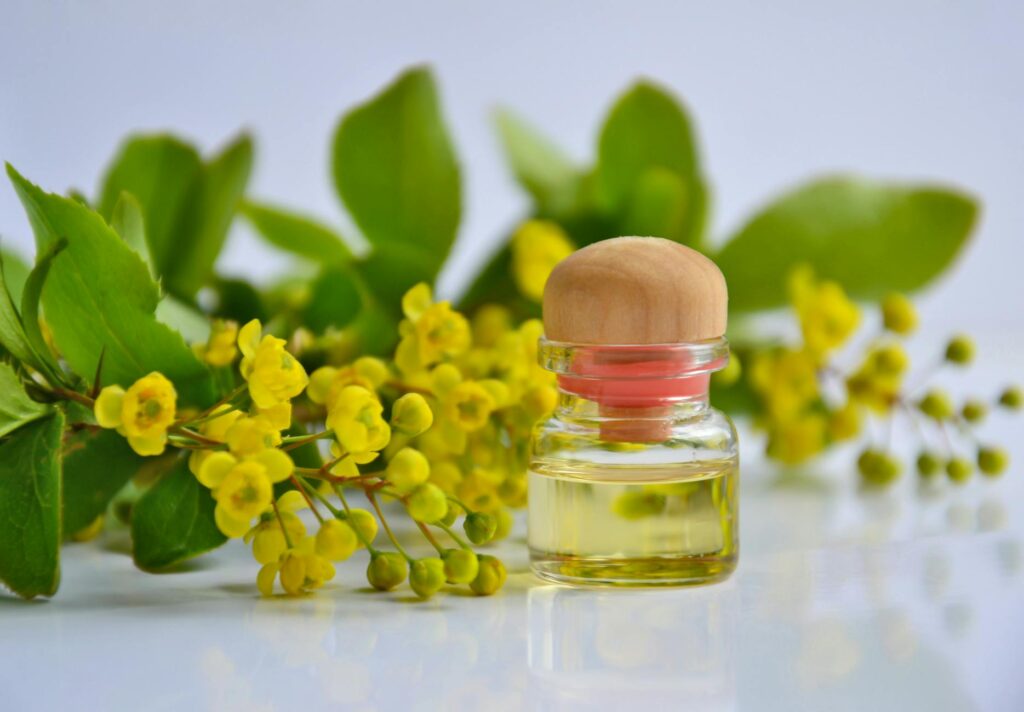
Complete Guide to Safflower Oil Part 5
Introduction
Safflower oil has garnered attention in recent years for its versatility and rich array of benefits. Extracted from the seeds of the Carthamus tinctorius plant, safflower oil is not only a staple in culinary traditions but also finds its place in the realms of cosmetics, aromatherapy, and wellness practices. This guide aims to provide a comprehensive overview of safflower oil, exploring its properties, benefits, common uses, and applications in aromatherapy.
What Is Safflower Oil?
Safflower oil is derived from the seeds of the safflower plant, a thistle-like flowering plant native to regions of Asia and Africa. The oil extraction process typically involves cold pressing or refining, resulting in a light, mild-flavored oil that is high in unsaturated fatty acids. Safflower oil is primarily composed of linoleic acid (omega-6) and oleic acid (omega-9), making it a popular choice for various applications.
The oil is available in two main varieties: high-linoleic and high-oleic. High-linoleic safflower oil is often favored for its nutritional profile, while high-oleic safflower oil is valued for its stability and resistance to oxidation, making it suitable for cooking at higher temperatures.
Key Benefits and Properties
Safflower oil boasts a number of beneficial properties, making it suitable for culinary and cosmetic applications:
1. Nutritional Properties
Rich in unsaturated fats, safflower oil is known for its potential to support heart health. The high linoleic acid content may help in reducing bad cholesterol levels when incorporated into a balanced diet.
2. Antioxidant Effects
The oil contains tocopherols, a form of vitamin E that acts as an antioxidant, helping to combat free radicals in the body. This property may contribute to skin health and overall wellness.
3. Moisturizing Qualities
In cosmetic applications, safflower oil is recognized for its emollient properties, making it an excellent moisturizer. Its lightweight texture allows for easy absorption into the skin, leaving it feeling soft and hydrated.
4. Anti-inflammatory Properties
Safflower oil may possess anti-inflammatory properties, which can be beneficial in reducing skin irritation and redness. This makes it a suitable ingredient in formulations for sensitive skin.
Common Uses
Safflower oil is incredibly versatile and can be used in various domains:
1. Culinary Uses
Due to its mild flavor and high smoke point, safflower oil is commonly used in frying, sautéing, and baking. It is also a popular choice for salad dressings and marinades, allowing other flavors to shine without overpowering them.
2. Cosmetic Applications
In skincare, safflower oil is often found in lotions, creams, and serums. Its moisturizing properties make it ideal for dry skin, while its lightweight nature makes it suitable for all skin types. It can also be used in hair care products to enhance shine and manageability.
3. Aromatherapy
In the realm of aromatherapy, safflower oil serves as a carrier oil, providing a base for essential oils. Its neutral scent and nourishing properties allow essential oils to be applied topically without irritation.
Aromatherapy Applications
Safflower oil is increasingly being recognized for its role as a carrier oil in aromatherapy practices. Here are some common applications:
1. Diluting Essential Oils
When using essential oils for topical application, it is essential to dilute them in a carrier oil to prevent skin irritation. Safflower oil’s light texture makes it an excellent choice for this purpose.
2. Massage Therapy
In massage therapy, safflower oil can be blended with various essential oils to create soothing blends. Its emollient properties help to glide smoothly over the skin, enhancing the overall massage experience.
3. Skin Care Formulations
Safflower oil can be incorporated into DIY skincare formulations, such as body scrubs, lotions, and serums. Its moisturizing properties can help to nourish the skin, making it a popular choice for homemade beauty products.
Safety Considerations
While safflower oil is generally regarded as safe for use, there are a few considerations to keep in mind:
1. Allergies
Individuals with a known allergy to safflower or related plants should avoid using safflower oil. Always perform a patch test before applying any new oil to the skin, especially for those with sensitive skin.
2. Pregnancy and Breastfeeding
While safflower oil is considered safe for general use, pregnant or breastfeeding individuals should consult with a healthcare professional before incorporating it into their routines.
3. Quality of Oil
When selecting safflower oil, quality matters. Opt for cold-pressed, organic varieties whenever possible to ensure the highest levels of nutrients and minimal processing.
Storage and Shelf Life
Proper storage of safflower oil is crucial for maintaining its quality and extending its shelf life. Here are some tips:
1. Storage Conditions
Safflower oil should be stored in a cool, dark place, away from direct sunlight and heat sources. A sealed, dark glass container is ideal for preserving the oil’s integrity.
2. Expiration Date
When stored correctly, safflower oil typically has a shelf life of about six months to one year. It is advisable to check for any off odors or changes in color before use, as these may indicate rancidity.
Frequently Asked Questions
1. Can safflower oil be used for cooking?
Yes, safflower oil is commonly used in cooking due to its high smoke point and neutral flavor.
2. Is safflower oil suitable for all skin types?
Safflower oil is generally well-tolerated by most skin types, including sensitive skin. However, it is always recommended to perform a patch test before widespread use.
3. How does safflower oil compare to other carrier oils?
Safflower oil is lighter in texture compared to many other carrier oils, making it a preferred choice for those seeking a non-greasy feel. It is also rich in essential fatty acids, offering unique benefits for skin health.
4. Can safflower oil be used for hair care?
Yes, safflower oil can be used in hair care products to moisturize and enhance shine. It is often included in formulations aimed at dry or damaged hair.
5. Is safflower oil vegan-friendly?
Yes, safflower oil is derived from plant sources, making it suitable for vegan diets.
Conclusion
Safflower oil is a versatile oil with a rich array of benefits, suitable for culinary, cosmetic, and aromatherapy applications. Its light texture, moisturizing properties, and nutritional advantages make it a valuable addition to any wellness toolkit. As with any oil, it is essential to consider individual sensitivities and preferences, ensuring that safflower oil is used safely and effectively. With its myriad of applications, safflower oil continues to be appreciated for its contributions to health and beauty practices around the globe.