
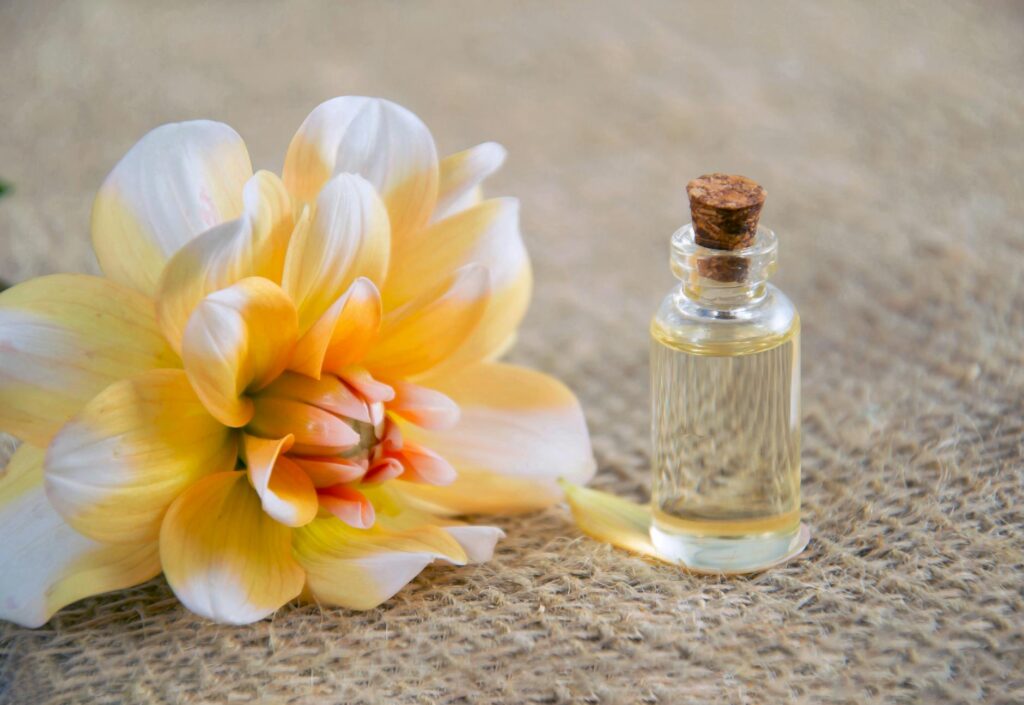
Complete Guide to Safflower Oil Part 5
Introduction
Safflower oil, derived from the seeds of the safflower plant (Carthamus tinctorius), has garnered attention for its versatility and myriad benefits. Native to regions of Africa and Asia, this oil has been utilized for centuries in cooking, cosmetics, and traditional practices. In this comprehensive guide, we will explore the characteristics, benefits, applications, and considerations associated with safflower oil.
What Is Safflower Oil?
Safflower oil is extracted from the seeds of the safflower plant through a process of cold pressing or refining. The oil is characterized by its light yellow color and mild flavor. It is rich in polyunsaturated fatty acids, particularly linoleic acid, making it a popular choice for various culinary applications. In addition to its culinary uses, safflower oil is also employed in cosmetics and aromatherapy, thanks to its beneficial properties.
Key Benefits and Properties
Safflower oil possesses a range of beneficial properties that contribute to its popularity. Below are some key benefits:
1. High in Unsaturated Fats: Safflower oil is primarily composed of unsaturated fats, particularly omega-6 fatty acids. These fats are considered heart-healthy and can support cardiovascular health.
2. Rich in Vitamin E: This oil is an excellent source of vitamin E, an antioxidant that helps protect cells from oxidative stress and contributes to skin health.
3. Moisturizing Properties: Safflower oil is known for its ability to hydrate the skin, making it a popular ingredient in skincare products. Its emollient properties help to lock in moisture and maintain skin elasticity.
4. Anti-Inflammatory Effects: Some studies suggest that safflower oil may have anti-inflammatory properties, which can be beneficial for various skin conditions.
5. Non-Comedogenic: Unlike some oils, safflower oil is non-comedogenic, meaning it is unlikely to clog pores, making it suitable for a variety of skin types.
Common Uses
Safflower oil has a multitude of applications across different domains. Some of the most common uses include:
Culinary Uses
- Cooking Oil: Due to its high smoke point, safflower oil is often used for frying, sautéing, and baking. Its mild flavor allows it to be a versatile ingredient in various dishes.
- Salad Dressings and Marinades: The light taste of safflower oil makes it an excellent base for salad dressings and marinades, enhancing flavors without overpowering them.
- Skin Care: Safflower oil is frequently included in creams, lotions, and serums for its moisturizing properties. It is particularly beneficial for dry or sensitive skin.
- Hair Care: Many hair care products also incorporate safflower oil, as it can help to nourish and condition hair, promoting shine and softness.
- Allergies: Individuals with allergies to daisies, marigolds, or other flowers in the Asteraceae family should exercise caution, as they may also be allergic to safflower oil.
- Skin Sensitivity: Although safflower oil is non-comedogenic, it’s always advisable to perform a patch test before using it on larger areas of the skin, especially for those with sensitive skin.
- Pregnancy and Nursing: Pregnant or nursing individuals should consult with a qualified healthcare provider before using safflower oil in significant amounts or in therapeutic contexts.
- Quality: As with any oil, the quality of safflower oil can vary. It is essential to choose high-quality, cold-pressed, or organic safflower oil to ensure purity and efficacy.
- Storage Conditions: Keep safflower oil in a cool, dark place, away from direct sunlight and heat sources. A refrigerator can help prolong its shelf life.
- Container: Store the oil in an airtight container, preferably glass, to prevent oxidation and maintain its beneficial properties.
- Shelf Life: When stored properly, safflower oil can last approximately 6 to 12 months. Always check for any signs of rancidity, such as an off smell, before use.
Cosmetic Uses
Aromatherapy Applications
While safflower oil is not commonly used as an essential oil in aromatherapy, it serves as a carrier oil. Its light texture makes it suitable for diluting essential oils for topical applications.
Aromatherapy Applications
In the realm of aromatherapy, safflower oil is often used as a carrier oil to dilute essential oils. This process is essential for safe topical application, as undiluted essential oils can be too potent and cause skin irritation. Here are some ways safflower oil can be utilized in aromatherapy:
1. Massage Oil: Combining safflower oil with essential oils such as lavender, chamomile, or eucalyptus can create a soothing massage oil. The emollient properties of safflower oil enhance the overall experience by providing a smooth application.
2. Skin Care Blends: When mixed with essential oils, safflower oil can be used in facial blends to nourish and hydrate the skin. It is particularly effective when paired with oils that target specific skin concerns.
3. Diffusion: Although safflower oil is not commonly diffused, it can be used to create a blend in a diffuser with essential oils to enhance the aroma in a space.
4. Bath Oils: Adding safflower oil to a warm bath can create a moisturizing experience, especially when combined with essential oils known for their relaxing properties.
Safety Considerations
While safflower oil is generally considered safe for most people, there are several considerations to keep in mind:
Storage and Shelf Life
Proper storage is crucial for maintaining the quality of safflower oil:
Frequently Asked Questions
Is safflower oil suitable for cooking?
Yes, safflower oil is suitable for cooking due to its high smoke point and mild flavor.
Can safflower oil be used on all skin types?
Safflower oil is generally well-tolerated and is non-comedogenic, making it suitable for various skin types. However, individuals with specific allergies or sensitivities should exercise caution.
How can I incorporate safflower oil into my skincare routine?
You can incorporate safflower oil by using it as a moisturizer, mixing it with essential oils for topical applications, or adding it to your bath for added hydration.
Is safflower oil good for hair?
Yes, safflower oil can be beneficial for hair, as it helps to nourish and condition it, promoting shine and softness.
Can safflower oil be used in aromatherapy?
While safflower oil is not an essential oil, it serves as an effective carrier oil for diluting essential oils in aromatherapy applications.
What is the difference between safflower oil and sunflower oil?
While both oils are derived from seeds and share some similar properties, safflower oil generally has a higher content of polyunsaturated fats and a different flavor profile compared to sunflower oil.
Conclusion
Safflower oil is a multifaceted oil with a rich history and a variety of applications. From culinary uses to skincare and aromatherapy, its beneficial properties make it a valuable addition to any household. Whether you are looking to enhance your cooking, nourish your skin, or explore the realm of aromatherapy, safflower oil offers a wealth of possibilities. As always, choosing high-quality oil and taking proper safety precautions will help you make the most of this versatile resource.