
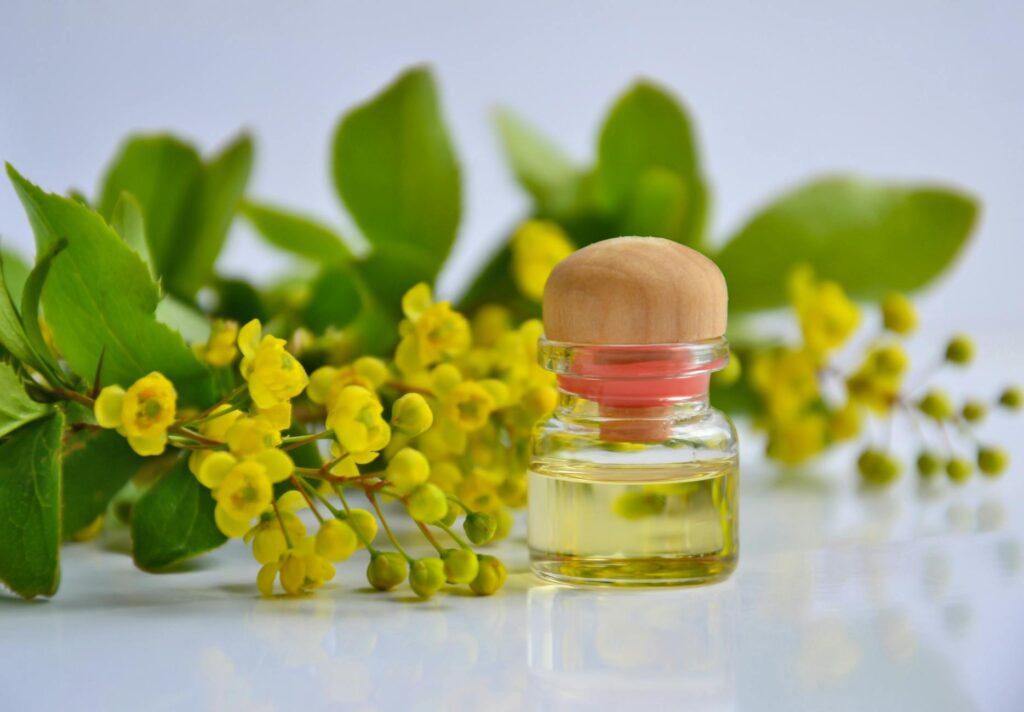
Complete Guide to Safflower Oil Part 6
Introduction
Safflower oil, derived from the seeds of the safflower plant (Carthamus tinctorius), has gained recognition in various fields, including culinary, cosmetic, and therapeutic applications. This guide aims to explore safflower oil in detail, including its characteristics, benefits, common uses, and safety considerations, offering a comprehensive resource for those interested in incorporating this versatile oil into their routines.
What Is Safflower Oil?
Safflower oil is a vegetable oil extracted from the seeds of the safflower plant, a thistle-like flowering plant native to regions of Africa and Asia. The extraction process typically involves cold pressing or refining, resulting in a pale yellow oil with a light flavor. Safflower oil is often categorized into two types: high-linoleic and high-oleic, which differ in their fatty acid composition and health benefits.
Composition
Safflower oil is primarily composed of unsaturated fatty acids, making it a heart-healthy oil. The high-linoleic variety is particularly rich in omega-6 fatty acids, while the high-oleic type contains a higher proportion of monounsaturated fats, similar to olive oil.
Key Benefits and Properties
Safflower oil is celebrated for its numerous benefits and properties, which include:
Nutritional Benefits
- Heart Health: Safflower oil is low in saturated fats and high in unsaturated fats, which may support cardiovascular health when used as a substitute for saturated oils.
- Skin Health: Rich in vitamin E and fatty acids, safflower oil is often used in skincare for its moisturizing properties and potential to improve skin barrier function.
- Lavender: Known for its calming properties, lavender essential oil combined with safflower oil can create a soothing massage blend.
- Tea Tree: For those looking to utilize its potential skin-clearing benefits, tea tree essential oil can be diluted in safflower oil for topical applications.
- Peppermint: Combining peppermint essential oil with safflower oil can yield a refreshing and invigorating blend, perfect for use in massage or inhalation.
- Topical Use: When using safflower oil as a carrier oil, it is recommended to dilute essential oils at a safe ratio, typically 2-3 drops of essential oil per teaspoon of carrier oil.
- Cooking: Although safflower oil is generally safe for culinary use, moderation is key, especially for those monitoring their intake of omega-6 fatty acids.
- Cool, Dark Place: Store safflower oil in a cool, dark place away from direct sunlight and heat sources to reduce oxidation.
- Sealed Container: Keep the oil in a tightly sealed container to prevent exposure to air, which can degrade its quality.
Anti-inflammatory Properties
Safflower oil contains antioxidants and anti-inflammatory compounds that may help reduce inflammation in the body, contributing to overall wellness.
Antioxidant Activity
The presence of vitamin E in safflower oil provides antioxidant benefits, which can help combat oxidative stress and promote cellular health.
Common Uses
Safflower oil is versatile and widely used in various domains:
Culinary Uses
In the kitchen, safflower oil is favored for its high smoke point, making it suitable for frying, sautéing, and baking. Its mild flavor allows it to blend seamlessly into dishes without overpowering other ingredients. Additionally, it can be used in salad dressings and marinades.
Cosmetic and Skincare Applications
Due to its emollient properties, safflower oil is commonly found in skincare products. It can be used as a carrier oil for essential oils or as a base for lotions and creams. Its ability to hydrate and nourish the skin makes it suitable for use in products targeting dry or sensitive skin.
Industrial Uses
Safflower oil is also utilized in various industrial applications, including paint, ink, and biodiesel production, owing to its composition and properties.
Aromatherapy Applications
While safflower oil is not commonly used as an essential oil in aromatherapy, it can serve as an excellent carrier oil. Carrier oils are essential for diluting essential oils, allowing for safe topical application. Safflower oil’s light texture and ability to absorb well into the skin make it an ideal choice for blending with essential oils.
Blending with Essential Oils
When using safflower oil in aromatherapy, it is essential to consider the essential oils being blended. The following essential oils pair well with safflower oil:
Safety Considerations
While safflower oil is generally considered safe for most individuals, it is essential to keep the following points in mind:
Allergies
Some individuals may be allergic to safflower or other members of the Asteraceae family. It is advisable to conduct a patch test before using safflower oil topically or in aromatherapy applications.
Usage Guidelines
Consultation
For individuals with specific health conditions or those who are pregnant or nursing, consulting a healthcare provider before incorporating safflower oil into their routines is advisable.
Storage and Shelf Life
Proper storage is crucial for maintaining the quality and longevity of safflower oil. The following tips can help ensure its shelf life:
Storage Conditions
Shelf Life
When stored correctly, safflower oil can have a shelf life of about 6 to 12 months. It is advisable to check for any changes in smell or appearance before use, as these may indicate rancidity.
Frequently Asked Questions
1. Is safflower oil suitable for all skin types?
Yes, safflower oil is generally well-tolerated by various skin types, including dry, sensitive, and oily skin. However, it is always advisable to perform a patch test before applying it widely.
2. Can safflower oil be used in cooking?
Yes, safflower oil can be used for cooking due to its high smoke point, making it suitable for frying, sautéing, and baking.
3. How do I know if safflower oil has gone bad?
Signs of rancidity in safflower oil include an off or rancid smell, changes in color, or a cloudy appearance. If any of these signs are present, it is best to discard the oil.
4. Can safflower oil be ingested?
While safflower oil is safe for culinary use, it is essential to use it in moderation as part of a balanced diet.
5. Is safflower oil safe during pregnancy?
As with any dietary or topical product, it is advisable for pregnant individuals to consult a healthcare provider before using safflower oil.
Conclusion
Safflower oil is a multifaceted oil with a range of applications in culinary, cosmetic, and aromatherapy practices. Its rich composition and beneficial properties make it a valuable addition to various routines. By understanding its uses, benefits, and safety considerations, individuals can make informed choices about incorporating safflower oil into their lives. Whether used in cooking, skincare, or as a carrier oil for essential oils, safflower oil offers a wealth of possibilities for enhancing well-being.