
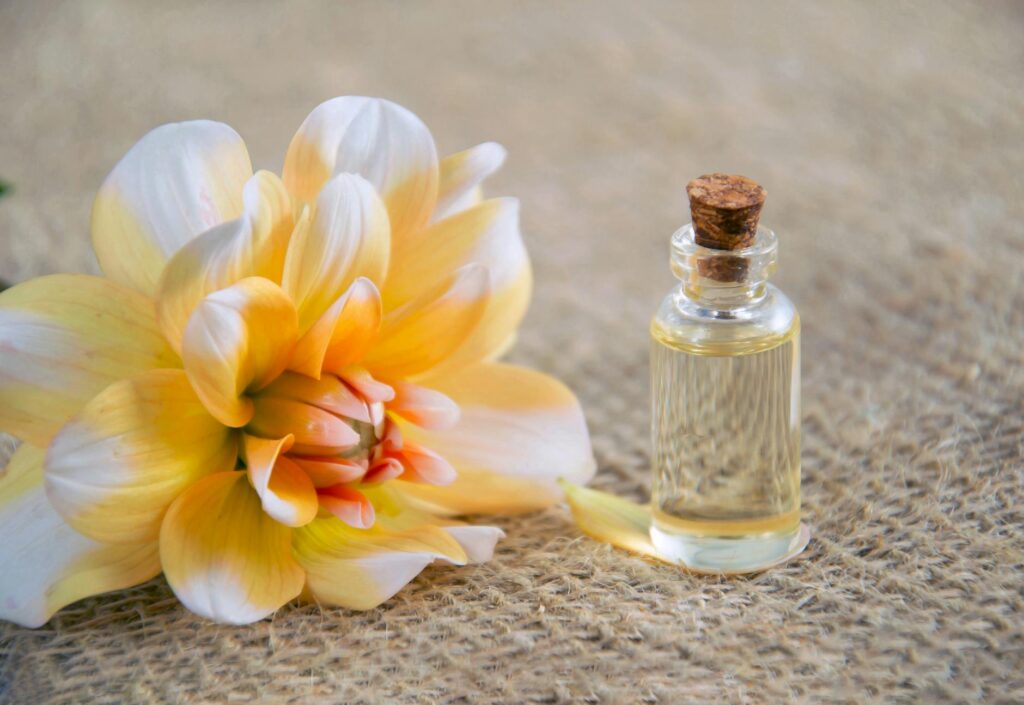
Complete Guide to Safflower Oil Part 6
Introduction
Safflower oil, derived from the seeds of the Carthamus tinctorius plant, has been appreciated for centuries for its versatility and beneficial properties. This guide aims to provide a comprehensive overview of safflower oil, exploring its characteristics, benefits, applications, safety considerations, and more. Whether you are a curious learner or a seasoned practitioner in the field of aromatherapy, this guide will enhance your understanding of this remarkable oil.
What Is Safflower Oil?
Safflower oil is a pale yellow to golden oil extracted from the seeds of the safflower plant, which is native to regions of Asia and Africa but is now cultivated in various parts of the world. The extraction process typically involves cold-pressing the seeds, although some commercial varieties may use refined methods. Safflower oil is known for its high content of unsaturated fatty acids, particularly linoleic acid, making it a popular choice in cooking, cosmetics, and skincare formulations.
Composition
Safflower oil is rich in several key components, including:
- Fatty Acids: Primarily composed of linoleic acid (omega-6), oleic acid (omega-9), and small amounts of saturated fatty acids.
- Vitamins: Contains vitamin E, a powerful antioxidant that supports skin health.
- Phytosterols: These compounds can help maintain cellular health and support cholesterol levels.
- Moisturizing: Due to its emollient properties, safflower oil can effectively hydrate and soften the skin, making it a popular ingredient in lotions and creams.
- Anti-inflammatory: The oil’s high linoleic acid content may help reduce inflammation, providing soothing benefits for irritated skin.
- Nourishing: Rich in antioxidants and essential fatty acids, safflower oil nourishes the skin and supports overall skin health.
- Non-comedogenic: Safflower oil is light and does not clog pores, making it suitable for various skin types, including oily and acne-prone skin.
- Heart Health: When used in moderation, safflower oil may support cardiovascular health due to its unsaturated fat content.
- Cooking Oil: Its high smoke point makes safflower oil an excellent choice for frying, sautéing, and baking.
- Salad Dressings: The light flavor profile allows safflower oil to blend seamlessly into salad dressings and marinades.
- Dietary Supplement: Some people incorporate safflower oil into their diets for its potential health benefits.
- Moisturizers: Safflower oil is often found in creams and lotions, providing hydration and nourishment to the skin.
- Hair Care: Used in shampoos and conditioners, it can help improve hair texture and shine.
- Massage Oil: Its smooth texture and skin-nourishing properties make it suitable for use in massage oils.
- Paints and Coatings: Safflower oil is sometimes used in the production of paints and varnishes due to its drying properties.
- Carrier Oil: It can be blended with essential oils for topical applications, ensuring safe and effective use on the skin.
- Massage Blends: Combined with relaxing essential oils like lavender or chamomile, safflower oil can enhance the therapeutic effects of massage.
- Skin Care Formulations: When mixed with oils rich in therapeutic properties, safflower oil can enhance absorption and potency, making it a popular choice in skincare formulations.
- Allergic Reactions: Individuals with allergies to plants in the Asteraceae family (e.g., daisies, ragweed) may experience allergic reactions to safflower oil.
- Quality and Purity: It is essential to select high-quality, cold-pressed safflower oil to ensure maximum benefits. Avoid oils that contain additives or are heavily refined.
- Pregnancy and Nursing: While safflower oil is considered safe for topical use, it is advisable for pregnant or nursing individuals to consult a healthcare professional before using it.
- Cool, Dark Place: Store safflower oil in a cool, dark location away from heat and direct sunlight to prevent oxidation.
- Sealed Container: Keep the oil in a tightly sealed container to minimize exposure to air, which can lead to rancidity.
- Shelf Life: When stored correctly, safflower oil typically has a shelf life of about 1 to 2 years. However, it is advisable to check for off odors or changes in color before use.
Key Benefits and Properties
Safflower oil boasts a range of beneficial properties that make it valuable in both culinary and therapeutic contexts. Here are some of the key benefits:
Common Uses
Safflower oil has a wide range of applications across various fields. Here are some of the most common uses:
Culinary Uses
Cosmetic and Skincare
Industrial Applications
Aromatherapy Applications
While safflower oil is not typically used as an essential oil in aromatherapy, its carrier oil properties make it an excellent medium for diluting essential oils. Here are some ways safflower oil can be utilized in aromatherapy:
Safety Considerations
While safflower oil is generally regarded as safe for most people, there are some precautions to keep in mind:
Storage and Shelf Life
Proper storage is crucial for maintaining the quality and efficacy of safflower oil. Here are some tips:
Frequently Asked Questions
1. Can safflower oil be used for cooking?
Yes, safflower oil is a popular cooking oil due to its high smoke point and neutral flavor, making it suitable for frying, baking, and salad dressings.
2. Is safflower oil suitable for all skin types?
Safflower oil is generally suitable for all skin types, including oily and acne-prone skin, due to its non-comedogenic properties.
3. How can safflower oil be used in aromatherapy?
While safflower oil is primarily used as a carrier oil, it can be blended with essential oils for topical applications, massage, and skincare formulations.
4. Are there any side effects of using safflower oil?
Safflower oil is generally safe, but individuals with allergies to plants in the Asteraceae family should exercise caution. Always perform a patch test before applying it to larger skin areas.
5. How should safflower oil be stored?
Store safflower oil in a cool, dark place in a tightly sealed container to prevent oxidation and extend its shelf life.
Conclusion
Safflower oil is a versatile and beneficial oil with a rich history of use in culinary, cosmetic, and therapeutic applications. Understanding its properties, uses, and safety considerations can help individuals make informed decisions about incorporating safflower oil into their daily routines. Whether you choose to use it in cooking, skincare, or aromatherapy, safflower oil is undoubtedly a valuable addition to any natural wellness toolkit.