
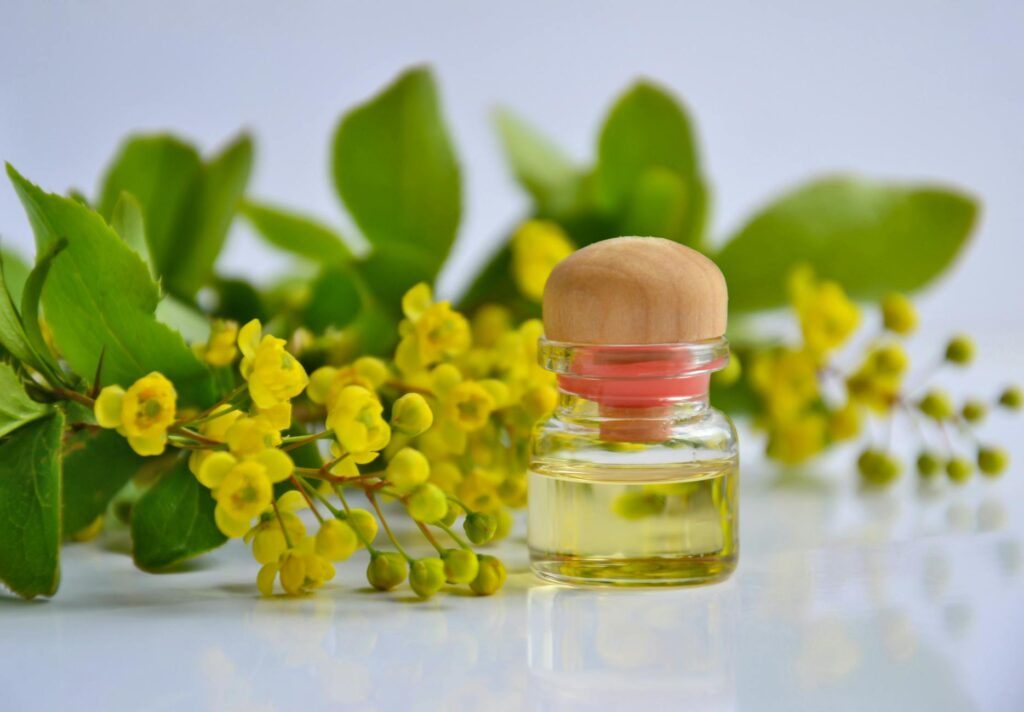
Complete Guide to Safflower Oil Part 7
Introduction
Safflower oil, derived from the seeds of the safflower plant (Carthamus tinctorius), has been utilized for centuries in various cultures for its culinary and health benefits. This comprehensive guide will explore the characteristics, benefits, and applications of safflower oil, particularly in the context of aromatherapy and essential oil practices.
What Is Safflower Oil?
Safflower oil is extracted from the seeds of the safflower plant through a process known as cold pressing or solvent extraction. The oil is light yellow to golden in color and possesses a mild flavor, making it particularly popular in cooking and food preparation. The safflower plant is native to regions in Asia, Africa, and the Mediterranean, and it is cultivated in many countries today for its seeds, which are rich in fatty acids.
Composition
Safflower oil primarily consists of unsaturated fatty acids, particularly linoleic acid (omega-6 fatty acid) and oleic acid (omega-9 fatty acid). It also contains small amounts of saturated fatty acids and phytosterols, contributing to its nutritional profile.
Key Benefits and Properties
Safflower oil is celebrated for its numerous benefits, both in culinary and therapeutic contexts. Some key properties include:
Nutritional Benefits
- Heart Health: High in unsaturated fats, safflower oil is believed to support cardiovascular health by potentially lowering bad cholesterol levels (LDL) and increasing good cholesterol (HDL).
- Skin Health: The oil is often used in skincare formulations due to its moisturizing properties and ability to help maintain skin elasticity.
- Anti-inflammatory: Safflower oil may exhibit anti-inflammatory properties, which can be beneficial in various topical applications.
- Antioxidant: It contains vitamin E, an antioxidant that helps protect cells from oxidative stress.
- Cooking Oil: Its high smoke point makes safflower oil ideal for frying, sautéing, and baking.
- Salad Dressings: The mild flavor allows it to be a popular choice for dressings and marinades.
- Emulsification: It can be used to create emulsions in sauces and spreads.
- Moisturizers: Safflower oil is commonly found in lotions and creams, providing hydration and nourishment to the skin.
- Hair Care: It is often included in hair products to enhance shine and manageability.
- Lavender: Known for its calming properties, when blended with safflower oil, it can create a soothing massage oil.
- Peppermint: This invigorating oil can be combined with safflower oil for a refreshing body lotion.
- Tea Tree: Known for its antimicrobial properties, combining tea tree oil with safflower oil may enhance skin care formulations.
- Cool, Dark Place: Store safflower oil in a cool, dark location to prevent oxidation. Exposure to light and heat can degrade the oil’s quality over time.
- Airtight Container: Use an airtight container to minimize air exposure, which can lead to rancidity.
Therapeutic Properties
Common Uses
Safflower oil is versatile and can be used in various applications:
Culinary Uses
Cosmetic and Personal Care
Aromatherapy Applications
While safflower oil is not as commonly used as other carrier oils in aromatherapy, it can play a role as a base oil for diluting essential oils. Due to its light texture and non-greasy feel, safflower oil can be an excellent choice for massage blends and topical applications when mixed with essential oils.
Blending with Essential Oils
Safflower oil can be combined with various essential oils to enhance their therapeutic effects. Some popular essential oils to blend with safflower oil include:
Safety Considerations
While safflower oil is generally considered safe for most individuals, there are some precautions to keep in mind:
Allergies
Some individuals may experience allergic reactions to safflower oil, particularly those with a history of allergies to other plants in the Asteraceae family, such as ragweed, chrysanthemums, or marigolds.
Skin Sensitivity
As with any oil used for topical applications, it is advisable to conduct a patch test before using safflower oil on larger areas of the skin.
Dietary Considerations
Individuals with specific dietary restrictions or health conditions should consult a healthcare professional before incorporating safflower oil into their diet.
Storage and Shelf Life
To maintain the quality and longevity of safflower oil, proper storage is essential:
Storage Recommendations
Shelf Life
When stored properly, safflower oil typically has a shelf life of about 12 months. However, it is advisable to check for any off-odors or changes in color before use, as these can indicate that the oil has gone rancid.
Frequently Asked Questions
1. Can safflower oil be used for cooking?
Yes, safflower oil is commonly used for cooking due to its high smoke point and mild flavor, making it suitable for frying, sautéing, and baking.
2. Is safflower oil safe for skin?
Safflower oil is generally considered safe for topical use. However, it is advisable to conduct a patch test before applying it to larger areas of the skin.
3. How does safflower oil compare to other oils?
Safflower oil is rich in unsaturated fats, making it a heart-healthy option compared to oils high in saturated fats. Its light texture makes it a versatile carrier oil for aromatherapy and cosmetic applications.
4. Is safflower oil suitable for all skin types?
Safflower oil is suitable for most skin types, particularly oily and combination skin, due to its lightweight and non-comedogenic properties.
5. Can safflower oil be used for hair care?
Yes, safflower oil is often included in hair care products for its moisturizing properties, helping to improve hair texture and shine.
Conclusion
Safflower oil is a versatile and beneficial oil that can enhance cooking, skincare, and aromatherapy practices. Its unique properties and numerous applications make it a valuable addition to both culinary and therapeutic regimes. As with any oil, understanding its characteristics and proper usage can help maximize its benefits, allowing individuals to explore its potential in various aspects of daily life.