
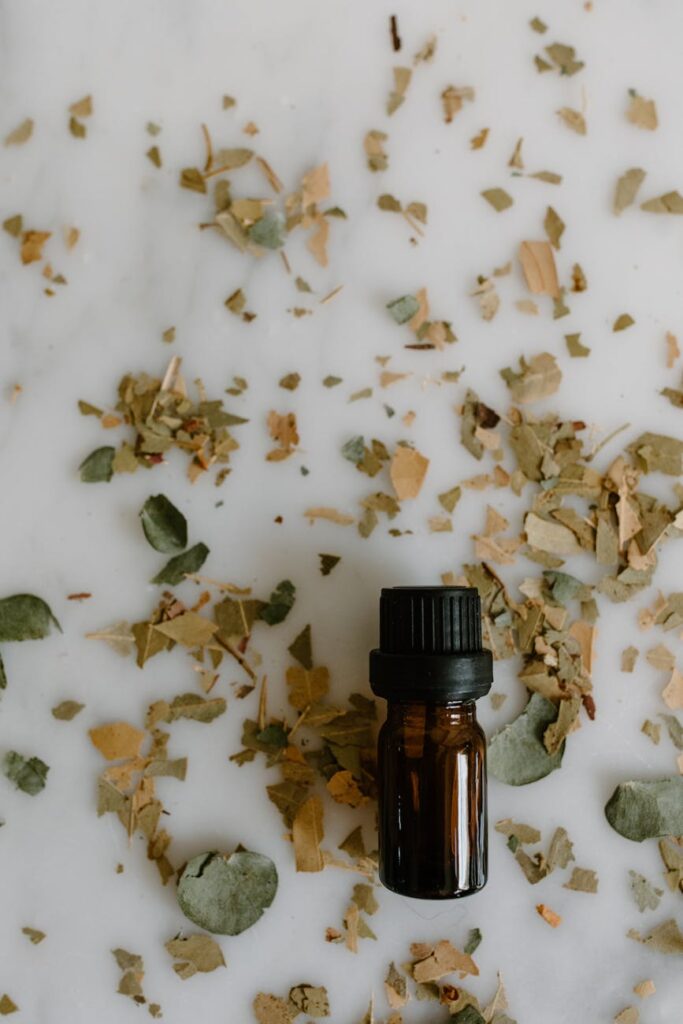
Complete Guide to Saffron Extract
Introduction
Saffron, derived from the flower of Crocus sativus, is one of the most expensive spices in the world, prized not only for its culinary applications but also for its numerous potential benefits. Saffron extract, which captures the essence of this vibrant flower, is utilized in various domains, including culinary arts, beauty, and wellness. This guide aims to explore saffron extract in detail, covering its origins, benefits, uses, and applications, particularly in aromatherapy.
What Is Saffron Extract?
Saffron extract is obtained from the dried stigmas of the crocus flower, specifically the Crocus sativus species. Each flower produces only three red stigmas, which are meticulously hand-harvested, making saffron one of the most labor-intensive crops. The extract is characterized by its rich golden-yellow hue and distinct, aromatic profile, featuring earthy, floral, and slightly sweet notes.
The chemical composition of saffron extract includes various bioactive compounds, such as crocin, picrocrocin, and safranal, which contribute to its color, flavor, and potential health benefits. These compounds are believed to play a significant role in the extract’s properties, making it a valuable resource in various applications.
Key Benefits and Properties
Saffron extract is celebrated for its potential benefits, which include:
1. Antioxidant Properties: Saffron is rich in antioxidants, which may help combat oxidative stress and protect cells from damage caused by free radicals.
2. Mood Enhancement: Some studies suggest that saffron extract may have mood-lifting properties and could help alleviate symptoms of mild depression or anxiety.
3. Anti-inflammatory Effects: The compounds present in saffron may have anti-inflammatory properties, potentially contributing to overall wellness.
4. Vision Support: Research has indicated that saffron may support eye health, particularly in relation to age-related macular degeneration (AMD).
5. Digestive Health: Traditionally, saffron has been used to support digestive health, though more research is needed to substantiate these claims.
6. Skin Benefits: The antioxidant and anti-inflammatory properties of saffron extract may also benefit skin health, contributing to a more radiant complexion.
Common Uses
Saffron extract is versatile and can be found in various applications, including:
- Culinary Uses: In cooking, saffron is often used to impart flavor and color to dishes such as paella, risotto, and certain desserts. It can be infused into liquids or incorporated directly into recipes.
- Cosmetics: Due to its potential skin benefits, saffron extract is commonly used in skincare products, such as lotions, creams, and serums, aimed at promoting a healthy complexion.
- Supplements: Saffron extract is available in supplement form, marketed for mood enhancement and overall wellness.
- Allergies: Individuals with allergies to plants in the Iridaceae family should exercise caution and consult a healthcare professional before using saffron extract.
- Pregnancy and Lactation: Pregnant or nursing individuals should consult with a healthcare provider before using saffron extract, as high doses may not be advisable.
- Dosage: When used in supplement form, it is crucial to adhere to recommended dosages, as excessive consumption of saffron can lead to adverse effects.
- Interactions: Saffron may interact with certain medications, particularly those affecting mood and blood pressure. It is advisable to consult with a healthcare professional if you are taking any medications.
- Storage Conditions: Store saffron extract in a cool, dark place away from direct sunlight. Ideal storage conditions include a sealed container in a pantry or cupboard.
- Shelf Life: When stored correctly, saffron extract can maintain its potency for up to two years. However, it is advisable to check for signs of spoilage, such as changes in aroma or color, before use.
Aromatherapy Applications
In the realm of aromatherapy, saffron extract is gaining popularity for its unique aromatic profile and potential therapeutic benefits. Here are a few ways saffron can be applied in aromatherapy:
1. Diffusion: Saffron essential oil, when diffused, can create a calming and uplifting atmosphere, making it suitable for meditation and relaxation.
2. Massage: When blended with carrier oils, saffron extract can be used in massage therapy, potentially providing a soothing experience while harnessing its aromatic properties.
3. Bath Blends: Adding saffron extract to bath preparations can create a luxurious experience, promoting relaxation and skin benefits.
4. Inhalation: Direct inhalation of saffron vapor or steam can be used as a means to experience its calming effects, especially during moments of stress or anxiety.
Safety Considerations
While saffron extract is generally regarded as safe for most individuals, it is important to keep the following safety considerations in mind:
Storage and Shelf Life
To preserve the quality and potency of saffron extract, proper storage is essential:
Frequently Asked Questions
1. What is the difference between saffron and saffron extract?
Saffron refers to the dried stigmas of the Crocus sativus flower, while saffron extract is a concentrated form that captures the essence of saffron’s aroma and flavor. Extracts may be used in smaller quantities due to their potency.
2. Can saffron extract be ingested?
Yes, saffron extract can be ingested in culinary dishes or supplement form. However, it is important to adhere to recommended dosages to avoid potential side effects.
3. Is saffron extract safe for children?
While saffron is generally safe for adults, caution should be exercised when considering its use in children. Consulting a healthcare professional is recommended before administering saffron or saffron extract to children.
4. How can I tell if saffron extract is of high quality?
High-quality saffron extract should have a rich, vibrant color, a strong aroma, and should be free from additives or fillers. Purchasing from reputable sources can also help ensure quality.
5. Can saffron extract be used in cooking?
Yes, saffron extract is commonly used in cooking to add flavor and color to dishes. It can be infused in liquids or added directly to recipes.
Conclusion
Saffron extract is a remarkable botanical product with a rich history and a plethora of uses. From enhancing culinary creations to providing potential benefits in aromatherapy and skincare, its versatility is undeniable. Understanding its properties, benefits, and safe usage can help individuals appreciate this luxurious extract and incorporate it thoughtfully into their routines. As with any natural product, consulting a professional for personalized guidance is advisable, particularly when considering its integration into health and wellness practices.