
Complete Guide to Sage Essential Oil
Introduction
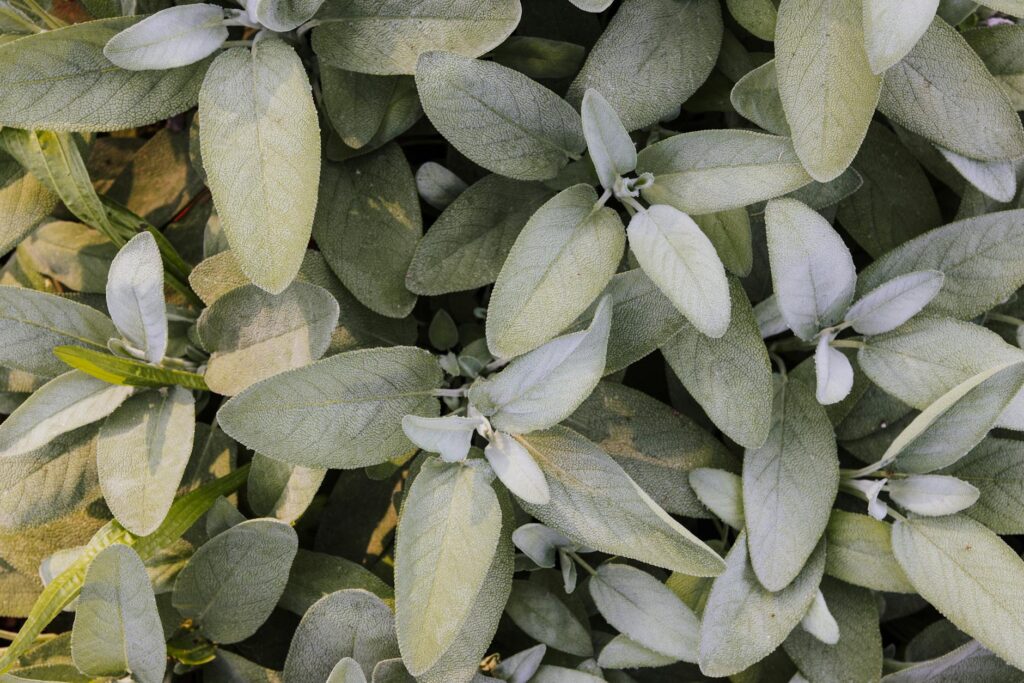
Sage essential oil, derived from the leaves of the Salvia officinalis plant, has been valued for centuries for its aromatic properties and various applications. This essential oil is renowned for its distinct, earthy scent and is a staple in both culinary and holistic practices. In this guide, we will explore the origins, benefits, uses, and safety considerations associated with sage essential oil, providing a comprehensive overview for those interested in incorporating it into their lives.
What Is Sage Essential Oil?
Sage essential oil is extracted through steam distillation from the leaves and flowering tops of the sage plant, a member of the Lamiaceae family. Sage, which means “to heal” in Latin, has a long history of use in various cultures for its culinary and medicinal properties. The oil has a warm, herbaceous aroma that can evoke feelings of grounding and clarity.
Sage essential oil is composed of various chemical constituents, including thujone, camphor, and 1,8-cineole, which contribute to its unique scent and properties. These components also provide sage essential oil with its characteristic therapeutic benefits.
Key Benefits and Properties
Sage essential oil is known for several beneficial properties:
1. Antioxidant: The oil contains antioxidants that may help combat oxidative stress in the body.
2. Anti-inflammatory: Sage essential oil has properties that may help reduce inflammation, making it a popular choice in various wellness practices.
3. Antimicrobial: Certain compounds in sage oil exhibit antimicrobial activity, which can help inhibit the growth of bacteria and fungi.
4. Digestive Aid: Traditionally, sage has been used to support digestive health, alleviating discomfort and promoting overall gut health.
5. Mood Enhancer: The aroma of sage essential oil is believed to have uplifting effects, helping to alleviate feelings of stress and anxiety.
6. Cognitive Support: Some studies suggest that sage essential oil may enhance memory and cognitive function.
Common Uses
Sage essential oil can be employed in various ways, both in daily life and in specialized practices:
- Aromatherapy: Used in diffusers or inhalers, sage essential oil can create a calming atmosphere conducive to relaxation and mindfulness.
- Massage: When diluted with a carrier oil, sage oil can be used for massage, providing soothing relief to sore muscles and joints.
- Skin Care: Due to its antimicrobial properties, sage essential oil is often included in skincare formulations, targeting acne and promoting a clear complexion.
- Household Cleaner: The antimicrobial nature of sage oil makes it an effective ingredient in natural cleaning solutions.
- Cooking: Sage leaves are commonly used in culinary applications, and the essential oil can enhance flavors in various dishes when used sparingly.
- Diffusion: Add a few drops of sage essential oil to a diffuser to fill the room with its earthy scent. This can help promote a calming environment, ideal for meditation or yoga practices.
- Inhalation: Inhale directly from the bottle or place a few drops on a tissue for quick access to its uplifting properties.
- Bathing: Add a few drops of sage essential oil to a warm bath for a soothing experience that can help alleviate stress and tension.
- Custom Blends: Sage essential oil blends well with other essential oils like lavender, rosemary, and bergamot, allowing for customized aromatic experiences.
- Dilution: Always dilute sage essential oil with a carrier oil before applying it to the skin to prevent irritation. A common dilution ratio is 2-3 drops of essential oil per teaspoon of carrier oil.
- Pregnancy and Nursing: Pregnant and nursing individuals should consult with a healthcare professional before using sage essential oil, as certain compounds may have effects on hormonal balance.
- Allergies: Conduct a patch test to check for potential allergic reactions before widespread use. Apply a diluted drop of sage oil to a small area of skin and observe for any adverse reactions.
- Medication Interactions: If you are taking medications, consult a healthcare professional before using sage essential oil, as it may interact with certain drugs.
- Children: Keep sage essential oil out of reach of children and consult a professional before introducing it into their routines.
Aromatherapy Applications
In aromatherapy, sage essential oil is prized for its grounding aroma, which can aid in mental clarity and emotional balance. Here are some popular applications:
Safety Considerations
While sage essential oil is generally regarded as safe when used appropriately, there are several safety considerations to keep in mind:
Storage and Shelf Life
To maintain the quality and potency of sage essential oil, proper storage is essential:
1. Keep Away from Light: Store the essential oil in a dark glass bottle to protect it from UV light, which can degrade its quality.
2. Cool Temperature: Store in a cool, dry place away from heat sources to prolong shelf life.
3. Tightly Sealed: Ensure the bottle is tightly closed to prevent oxidation and contamination.
Typically, sage essential oil can last for about 3-5 years when stored properly. Always check for changes in aroma or appearance before use, as these may indicate that the oil has gone rancid.
Frequently Asked Questions
1. Can I use sage essential oil for cooking?
While sage essential oil can be used in cooking, it should be used very sparingly due to its potency. A drop or two can enhance flavor, but it is generally more common to use fresh or dried sage leaves for culinary purposes.
2. Is sage essential oil safe for skin application?
When properly diluted with a carrier oil, sage essential oil is generally safe for skin application. However, it is advisable to perform a patch test first to ensure there are no allergic reactions.
3. What other oils blend well with sage essential oil?
Sage essential oil blends well with a variety of other oils, including lavender, rosemary, bergamot, and cedarwood. These combinations can enhance the therapeutic effects and create a balanced aroma.
4. How can I use sage essential oil to relieve stress?
You can use sage essential oil in a diffuser, during a warm bath, or in a personal inhaler to help relieve stress and promote relaxation. The scent can evoke a sense of calmness and clarity.
5. Can sage essential oil help with respiratory issues?
While sage essential oil may possess properties that could support respiratory health, it is not a substitute for medical treatment. Always consult a healthcare professional for respiratory concerns.
Conclusion
Sage essential oil is a versatile and valuable component of aromatherapy and holistic practices. With its rich history and numerous benefits, it offers a unique addition to both personal care and wellness routines. By understanding its properties, uses, and safety considerations, individuals can make informed decisions on how to incorporate sage essential oil into their lives. Always remember to approach essential oils with respect, and enjoy the many aromatic benefits that sage has to offer.