
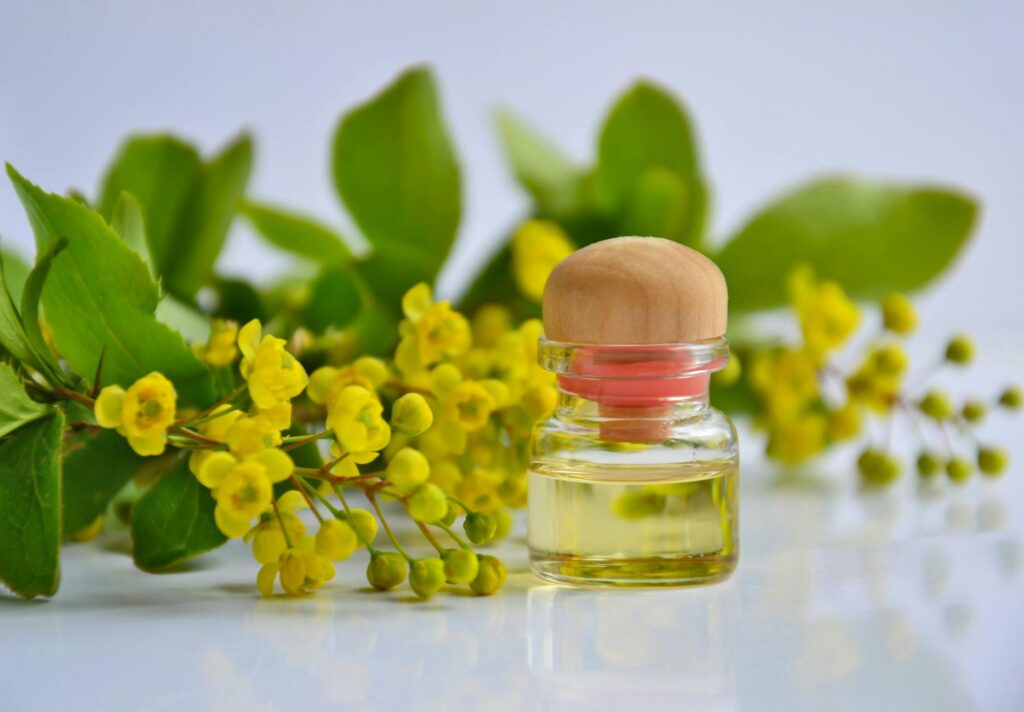
Complete Guide to Sage Extract
Introduction
Sage, scientifically known as Salvia officinalis, is a perennial herb belonging to the mint family, Lamiaceae. Renowned for its culinary and medicinal properties, sage has captured the attention of herbalists, chefs, and wellness enthusiasts alike. Sage extract, derived from the leaves of the sage plant, is celebrated for its aromatic qualities and potential health benefits. This comprehensive guide explores sage extract, its benefits, applications, safety considerations, and more.
What Is Sage Extract?
Sage extract is a concentrated form of the essential oils and active compounds found in the leaves of the sage plant. The extraction process typically involves steam distillation or solvent extraction, resulting in a potent liquid that encapsulates the plant’s aromatic and therapeutic properties. The extract is characterized by its earthy, slightly peppery scent, often described as warm and herbaceous.
Sage has a long history of use, dating back to ancient civilizations. It was employed by the Greeks and Romans not only as a culinary herb but also for its supposed health benefits. Today, sage extract is utilized in various forms, including essential oils, tinctures, and encapsulated supplements.
Key Benefits and Properties
Sage extract is rich in various bioactive compounds, including flavonoids, phenolic acids, and essential oils such as thujone and camphor. Here are some of the notable benefits and properties attributed to sage extract:
1. Antioxidant Properties: Sage contains compounds that may help combat oxidative stress in the body, promoting overall health and wellness.
2. Anti-Inflammatory Effects: Some studies suggest that sage may have anti-inflammatory properties, which could contribute to its traditional use in alleviating discomfort.
3. Cognitive Support: Sage has been linked to cognitive enhancement in some research, with potential benefits for memory and concentration.
4. Digestive Aid: Traditionally, sage has been used to support digestive health, often consumed as a tea or infusion.
5. Antimicrobial Activity: Sage extract has shown potential against various pathogens in laboratory studies, making it a candidate for natural preservation in food products.
6. Hormonal Balance: Some herbalists advocate for sage’s ability to assist in hormonal regulation, particularly concerning women’s health.
Common Uses
Sage extract is versatile and is commonly used in various applications:
- Culinary Uses: In cooking, sage is a popular seasoning for meats, vegetables, and sauces. Sage extract can enhance flavors in dishes, marinades, and dressings.
- Herbal Remedies: Sage extract is often included in herbal formulations aimed at digestive health, respiratory support, and overall wellness.
- Cosmetics and Skincare: Due to its antimicrobial and antioxidant properties, sage extract is found in skincare products, such as creams and lotions, that target skin health.
- Household Products: Some cleaning products and air fresheners incorporate sage extract for its pleasant aroma and potential antibacterial qualities.
- Dark Glass Containers: Store sage extract in dark glass containers to protect it from light, which can degrade its quality.
- Cool, Dry Place: Keep the extract in a cool, dry environment, away from heat sources and direct sunlight.
- Shelf Life: The shelf life of sage extract can vary depending on the extraction method and storage conditions, but it typically ranges from 1 to 3 years. Always check for signs of spoilage, such as changes in color, scent, or consistency.
Aromatherapy Applications
In aromatherapy, sage extract is valued for its calming and grounding properties. It can be used in various ways:
1. Diffusion: Sage essential oil can be added to a diffuser to create a soothing atmosphere, promoting relaxation and mental clarity.
2. Massage Oils: When diluted with a carrier oil, sage extract can be used in massage therapies to ease tension and enhance emotional balance.
3. Bathing: Adding a few drops of sage essential oil to bathwater can create a tranquil experience, encouraging relaxation after a long day.
4. Inhalation: Inhaling the aroma of sage extract can be a part of mindfulness practices, helping to center the mind and promote a sense of calm.
Safety Considerations
While sage extract is generally considered safe for most people, several precautions should be observed:
1. Dilution: Essential oils, including sage, should always be diluted before topical application. A common recommendation is to mix essential oils with a carrier oil at a ratio of 1:5.
2. Allergies: Individuals with known allergies to plants in the Lamiaceae family should exercise caution when using sage extract.
3. Pregnancy and Nursing: Pregnant or nursing women should consult with a healthcare professional before using sage extract, as high concentrations may not be advisable.
4. Medication Interactions: Sage extract may interact with certain medications, including those affecting hormone levels. Consult a healthcare provider if you are on medication before using sage extract.
5. Quality of Product: It is essential to choose high-quality sage extract from reputable sources to avoid contamination and ensure efficacy.
Storage and Shelf Life
To maintain the potency and quality of sage extract, proper storage is crucial:
Frequently Asked Questions
1. Can sage extract be consumed orally?
Sage extract can be used in culinary applications, but it is important to ensure that it is food-grade and suitable for consumption. Always follow dosage recommendations.
2. What is the difference between sage essential oil and sage extract?
Sage essential oil is a concentrated volatile oil extracted from the leaves of the sage plant, while sage extract can refer to various forms, including tinctures and oils, that may contain additional compounds.
3. Is sage extract safe for children?
Children should use sage extract with caution. It is advisable to consult a healthcare professional before using sage extract in children, especially in concentrated forms.
4. How can I incorporate sage extract into my daily routine?
Sage extract can be added to culinary dishes, used in aromatherapy practices, or applied topically in diluted forms. Always start with small amounts to assess individual reactions.
5. Are there any side effects associated with sage extract?
While sage extract is generally safe, some individuals may experience allergic reactions or sensitivity. Always conduct a patch test for topical applications and consult a healthcare provider if any adverse reactions occur.
Conclusion
Sage extract is a multifaceted herbal product with a rich history of use in culinary, medicinal, and aromatic applications. Its potential benefits, from antioxidant properties to cognitive support, make it a valuable addition to both wellness routines and culinary practices. As with any herbal extract, proper usage, storage, and safety considerations are essential to ensure a positive experience. Embracing the aromatic and therapeutic qualities of sage extract can enhance quality of life and promote a sense of well-being.