
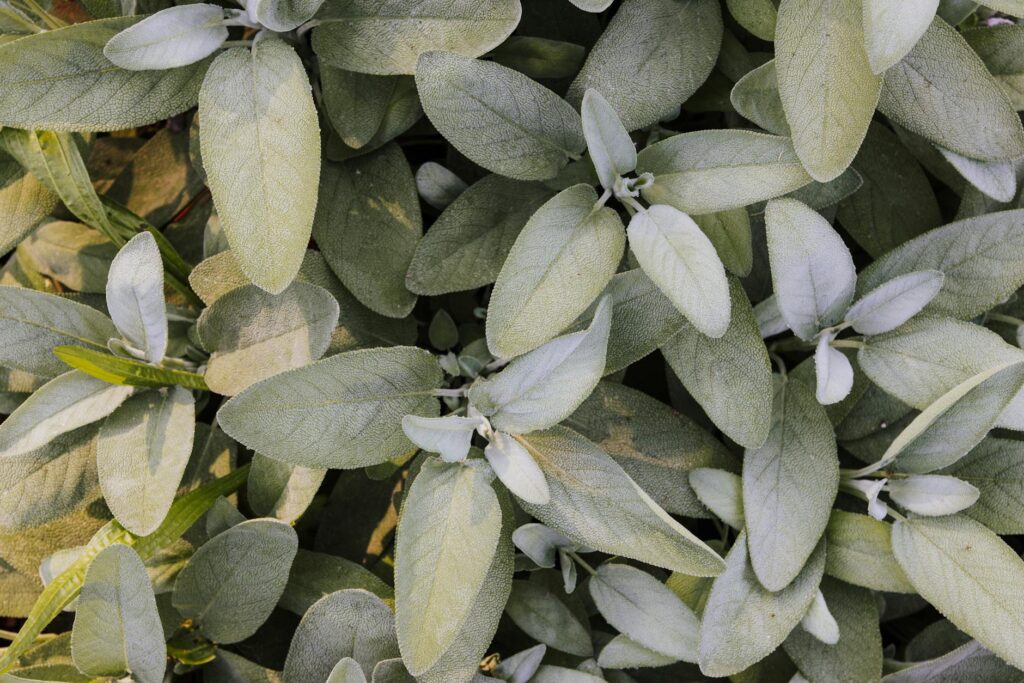
Complete Guide to Sage Oil Part 4
Introduction
Sage oil, derived from the leaves of the Salvia officinalis plant, has been utilized for centuries in various cultures for its aromatic and therapeutic properties. This essential oil is celebrated not only for its unique fragrance but also for its potential benefits in promoting wellness and enhancing emotional well-being. In this comprehensive guide, we will explore the characteristics, uses, and applications of sage oil, as well as important safety considerations.
What Is Sage Oil?
Sage oil is an essential oil extracted from the leaves of the sage plant, a member of the Lamiaceae family, which includes other herbs such as mint and rosemary. The extraction process typically involves steam distillation, which captures the plant’s volatile compounds while preserving its aromatic qualities. The resulting oil has a warm, herbaceous scent and possesses a pale yellow to clear appearance.
Sage is native to the Mediterranean region but is now cultivated worldwide. It has a long history of use in culinary, medicinal, and ritualistic practices. As an essential oil, sage oil is appreciated for its versatility and potency.
Key Benefits and Properties
Sage oil is lauded for its various properties, which contribute to its popularity in aromatherapy and holistic practices. Some of the key benefits include:
- Antimicrobial: Sage oil has demonstrated antimicrobial properties, making it a useful addition to formulations aimed at purifying the air and surfaces.
- Anti-inflammatory: The oil may help reduce inflammation, making it a potential aid for soothing minor skin irritations.
- Antioxidant: Rich in antioxidants, sage oil can help combat oxidative stress, potentially contributing to overall wellness.
- Mood Enhancer: The aromatic profile of sage oil is believed to promote feelings of calm and balance, making it popular in stress-relief practices.
- Hormonal Support: Some studies suggest that sage oil may help balance hormones, particularly in women, although more research is needed to fully understand these effects.
- Culinary Uses: Although primarily used in its whole-leaf form, sage oil can enhance dishes with its concentrated flavor. It should be used sparingly due to its potency.
- Cosmetic Products: The oil is often incorporated into skincare products for its potential benefits in promoting healthy skin and providing a pleasant scent.
- Household Cleaning: Due to its antimicrobial properties, sage oil is commonly included in natural cleaning products to help disinfect and purify.
- Meditation and Rituals: Traditionally, sage has been used in rituals for cleansing spaces and promoting mindfulness. The oil is often diffused or used in smudging practices.
- Dilution: Essential oils are highly concentrated and should always be diluted with a carrier oil before topical application to prevent skin irritation.
- Pregnancy and Breastfeeding: Pregnant or nursing individuals should consult a healthcare provider prior to using sage oil, as some compounds may affect hormonal balance.
- Allergies: Individuals with known allergies to sage or other members of the Lamiaceae family should avoid sage oil. A patch test is recommended for anyone using it for the first time.
- Medical Conditions: Those with specific medical conditions or on certain medications should consult a healthcare professional before using sage oil.
- Avoid Ingestion: Sage oil should not be ingested unless under the guidance of a qualified professional, as it can be toxic in large quantities.
- Container: Store sage oil in a dark glass bottle to protect it from light, which can degrade its quality.
- Temperature: Keep the oil in a cool, dry place away from direct sunlight and heat sources to prolong its shelf life.
- Shelf Life: When stored correctly, sage oil can last for 1 to 3 years. It’s advisable to check for any changes in aroma or consistency before use. If the oil smells rancid or has changed color, it should be discarded.
Common Uses
Sage oil has a variety of applications across different fields, including:
Aromatherapy Applications
In aromatherapy, sage oil is valued for its uplifting and calming effects. Here are some common applications:
Diffusion
One of the most popular ways to enjoy sage oil is through diffusion. Using an essential oil diffuser, you can disperse the oil into the air, creating a tranquil environment. This method is particularly beneficial for promoting relaxation during meditation or yoga sessions.
Topical Application
When diluted with a carrier oil, sage oil can be applied topically. This method allows for localized benefits, such as soothing skin irritations or promoting relaxation during a massage. It is crucial to perform a patch test on a small area of skin before applying it more broadly.
Bathing Rituals
Adding a few drops of sage oil to a warm bath can create a soothing and aromatic experience. This practice not only enhances relaxation but may also help in alleviating muscle tension and stress.
Inhalation
For a quick boost, inhaling sage oil directly from the bottle or from a cotton ball can provide immediate benefits. This method is effective for promoting clarity and focus, especially during moments of overwhelm.
Safety Considerations
While sage oil is generally regarded as safe when used appropriately, there are several important safety considerations to keep in mind:
Storage and Shelf Life
Proper storage is essential for maintaining the integrity of sage oil. Here are some guidelines:
Frequently Asked Questions
1. Can sage oil be used for cooking?
Yes, sage oil can be used in cooking, but it should be used sparingly due to its strong flavor. It’s best to start with a small amount and adjust according to taste.
2. Is sage oil safe for children?
Sage oil is generally not recommended for children under the age of 2. For older children, it is essential to dilute the oil properly before use and consult with a healthcare provider for guidance.
3. How can I incorporate sage oil into my skincare routine?
Sage oil can be added to your skincare routine by mixing a few drops with a carrier oil, such as coconut or jojoba oil. This mixture can be applied to the skin for moisturizing benefits.
4. What should I do if I experience skin irritation?
If you experience skin irritation after using sage oil, discontinue use immediately and wash the area with soap and water. If irritation persists, consult a healthcare professional.
5. Can sage oil help with stress relief?
Many individuals find sage oil beneficial for stress relief due to its calming properties. Whether through diffusion, inhalation, or topical application, it can create a soothing environment.
Conclusion
Sage oil is a versatile essential oil with a rich history and a variety of potential benefits. From its applications in aromatherapy to its uses in culinary and cosmetic products, sage oil offers a unique blend of properties that can enhance overall well-being. However, it is crucial to use sage oil responsibly, adhering to safety guidelines and considering individual health circumstances. As you explore the world of sage oil, you can unlock its potential to enrich your daily practices and promote a sense of balance and tranquility.