
Complete Guide to Sage Oil Part 7
Introduction
Sage oil, derived from the leaves of the Salvia officinalis plant, has been celebrated for centuries for its aromatic and therapeutic properties. This essential oil is not only a staple in culinary practices but also holds a significant place in the realm of aromatherapy and holistic wellness. In this comprehensive guide, we will explore the various aspects of sage oil, including its definition, benefits, common uses, applications in aromatherapy, safety considerations, storage recommendations, and frequently asked questions.
What Is Sage Oil?
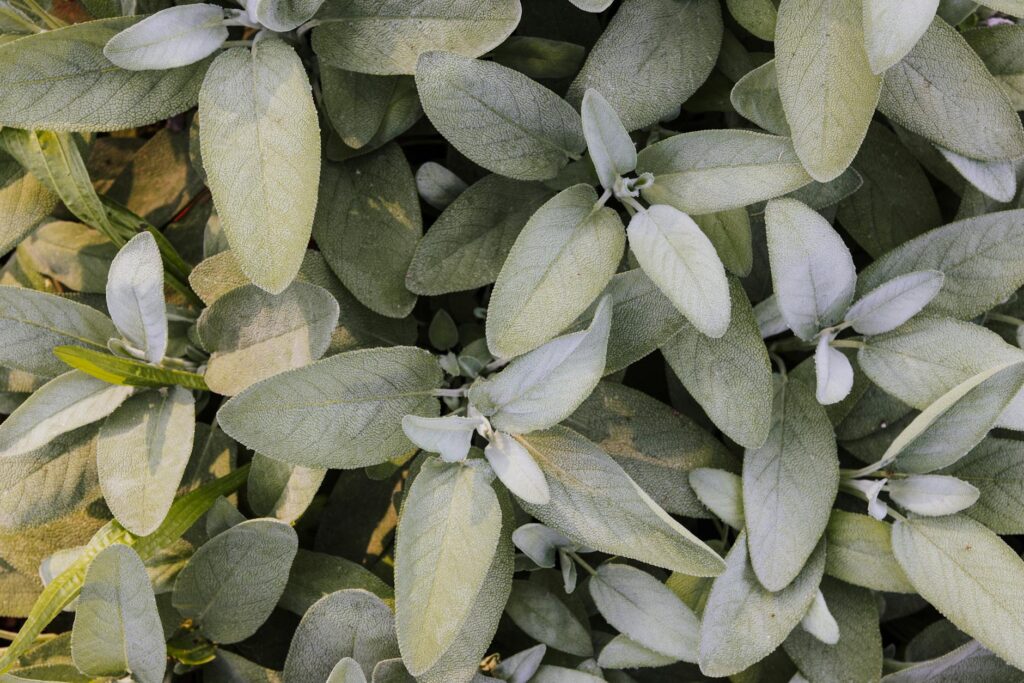
Sage oil is an essential oil extracted from the leaves of the sage plant, primarily through steam distillation. The plant itself is a perennial herb belonging to the mint family, Lamiaceae, and is characterized by its soft, gray-green leaves and purple flowers. Sage has a long history of use dating back to ancient times, where it was often regarded as a sacred herb.
The oil boasts a warm, earthy, and herbaceous aroma, making it a popular choice in both culinary and therapeutic applications. Depending on the species, sage oil can vary in chemical composition and scent profile, but Salvia officinalis remains the most commonly used variety for essential oil extraction.
Key Benefits and Properties
Sage oil is renowned for its diverse range of benefits and properties. While it is essential to note that the following information is for educational purposes only and not intended as medical advice, sage oil is typically associated with the following properties:
1. Antioxidant: Sage oil contains compounds such as rosmarinic acid and flavonoids, which may help combat oxidative stress in the body.
2. Antimicrobial: The oil is known for its potential antimicrobial properties, making it a common choice for promoting a clean atmosphere.
3. Anti-inflammatory: Some studies suggest that certain compounds in sage oil may have anti-inflammatory effects, which can be beneficial for maintaining overall wellness.
4. Hormonal Balance: Traditionally, sage has been used to support hormonal balance, particularly in women, although more research is needed in this area.
5. Cognitive Support: Sage is often linked to improved memory and cognitive function, partly attributed to its antioxidant properties.
6. Mood Enhancement: The aroma of sage oil is thought to have mood-lifting effects, potentially helping to alleviate feelings of stress and anxiety.
Common Uses
Sage oil is versatile and can be utilized in various ways. Some of the most common uses include:
1. Culinary Uses: Sage oil can be added to dishes to enhance flavor. A few drops can elevate soups, stews, and marinades.
2. Herbal Remedies: Traditionally, sage has been used in herbal teas and tinctures.
3. Aromatherapy: Sage oil is frequently used in diffusers, candles, and potpourri for its calming aroma.
4. Skincare: Due to its antimicrobial properties, sage oil is often included in natural skincare formulations.
5. Household Cleaning: Its antimicrobial properties make sage oil a popular ingredient in homemade cleaning products.
Aromatherapy Applications
In aromatherapy, sage oil is often utilized for its aromatic properties and potential therapeutic effects. Here are some common applications:
1. Diffusion: Adding a few drops of sage oil to a diffuser can create a calming atmosphere, promoting relaxation and clarity of mind.
2. Topical Applications: When diluted with a carrier oil, sage oil can be applied to the skin to benefit from its potential soothing properties.
3. Bathing: A few drops of sage oil in a warm bath can enhance relaxation and provide a soothing experience.
4. Inhalation: Inhaling the aroma directly from the bottle or a tissue can offer an instant mood boost and may help clear the mind.
5. Massage: Combining sage oil with a carrier oil for massage can create a calming and rejuvenating experience.
Safety Considerations
While sage oil is generally considered safe for use, there are some safety considerations to keep in mind:
1. Dilution: Always dilute sage oil with a carrier oil before applying it to the skin to prevent irritation.
2. Allergies: Conduct a patch test before using sage oil for the first time to check for allergic reactions.
3. Pregnancy and Nursing: Pregnant or nursing individuals should consult a healthcare professional before using sage oil.
4. Medical Conditions: Those with specific medical conditions or who are on medication should consult a healthcare provider before incorporating sage oil into their routine.
5. Children: Keep sage oil out of reach of children and consult a healthcare provider before using it with young ones.
Storage and Shelf Life
Proper storage is essential to maintain the quality of sage oil. Here are some guidelines:
1. Container: Store sage oil in a dark glass bottle to protect it from light, which can degrade the oil.
2. Temperature: Keep the oil in a cool, dry place away from direct sunlight and heat sources.
3. Shelf Life: When stored properly, sage oil typically has a shelf life of 1 to 3 years. Always check for any changes in smell, color, or consistency before use.
Frequently Asked Questions
1. What is the difference between culinary sage and sage essential oil?
Culinary sage refers to the whole herb used in cooking, while sage essential oil is a concentrated extract obtained from the leaves. The essential oil is much stronger in aroma and should be used sparingly.
2. Can I use sage oil for cooking?
While sage oil can enhance flavor in culinary dishes, it should be used cautiously due to its concentrated nature. A few drops can be added to marinades or dressings, but it’s best to consult recipes that specifically call for essential oils.
3. Is sage oil safe for children?
Sage oil should be used with caution around children. It is advisable to consult a healthcare provider before using sage oil on or around children.
4. How can I tell if my sage oil has gone bad?
Signs of degradation can include a change in color, a rancid or off smell, or a change in viscosity. If you notice any of these changes, it’s best to dispose of the oil.
5. Can sage oil help with stress and anxiety?
While many individuals find the aroma of sage oil calming, it is essential to remember that experiences can vary. Aromatherapy is not a substitute for professional mental health care.
Conclusion
Sage oil is a multifaceted essential oil with a rich history and a wide array of applications. From culinary uses to aromatherapy practices, its benefits extend beyond mere fragrance. However, as with any essential oil, it is crucial to use sage oil responsibly and with an awareness of safety considerations. By understanding its properties and applications, individuals can incorporate sage oil into their lives in a meaningful and beneficial way.