
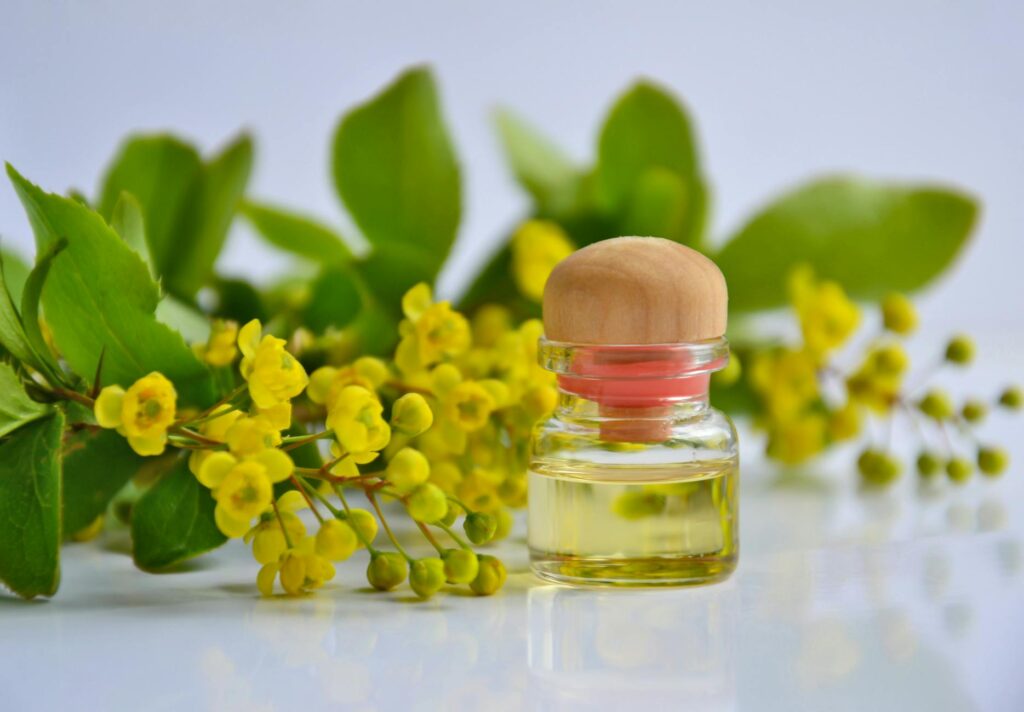
Complete Guide to Sage Oil
Introduction
Sage oil, derived from the leaves of the Salvia officinalis plant, has been revered for centuries for its aromatic and therapeutic properties. This essential oil is a staple in both culinary and wellness practices, offering a wide array of benefits that make it a valuable addition to any essential oil collection. This guide will provide an in-depth look at sage oil, including its properties, benefits, uses, and safety considerations.
What Is Sage Oil?
Sage oil is an essential oil extracted from the leaves of the sage plant, a member of the mint family. The extraction process typically involves steam distillation, which preserves the plant’s aromatic compounds. Sage is native to the Mediterranean region but is now cultivated in various parts of the world. The oil is characterized by a warm, herbaceous aroma that is both grounding and uplifting.
The primary chemical constituents of sage oil include thujone, camphor, and 1,8-cineole. These compounds contribute to its distinctive scent and are responsible for many of its properties.
Key Benefits and Properties
Sage oil is known for its numerous benefits, which can be broadly categorized into physical, emotional, and spiritual aspects.
Physical Benefits
1. Antimicrobial Properties: Sage oil has been studied for its ability to inhibit the growth of various bacteria and fungi, making it a potential ally in maintaining cleanliness and hygiene.
2. Anti-Inflammatory Effects: The oil is often used in topical applications for its anti-inflammatory properties, which may help soothe minor skin irritations.
3. Digestive Aid: Traditionally, sage has been used to support digestive health, and the oil may promote healthy digestion when used in moderation.
Emotional and Spiritual Benefits
1. Mood Enhancement: The uplifting aroma of sage oil is known to promote feelings of relaxation and well-being, often used to reduce stress and anxiety.
2. Clarity and Focus: Aromatherapists often recommend sage oil for its ability to enhance mental clarity, making it a popular choice when studying or working on projects.
3. Spiritual Cleansing: In many cultures, sage has been used for centuries in rituals to cleanse spaces and promote positive energy. The oil can be used in diffusers or during meditation to enhance spiritual practices.
Common Uses
Sage oil can be used in a variety of ways, making it a versatile addition to both personal care and household applications.
Aromatherapy
In aromatherapy, sage oil is often diffused to promote a calm environment. A few drops in a diffuser can create an atmosphere conducive to relaxation, improving mood and focus.
Skin Care
Due to its antimicrobial and anti-inflammatory properties, sage oil is sometimes added to skin care products. It can be diluted with a carrier oil and applied topically to help alleviate skin irritations.
Culinary Uses
While sage oil is less commonly used in cooking compared to fresh sage leaves, it can still enhance dishes when used sparingly. It is particularly effective in savory meals and can be used to infuse oils for dressings or marinades.
Aromatherapy Applications
Sage oil can be incorporated into various aromatherapy practices, enhancing the overall sensory experience.
Diffusion
When diffused, sage oil can fill a room with its warm, herbaceous scent, creating a comforting atmosphere. It pairs well with other essential oils such as lavender and frankincense.
Massage
When diluted with a carrier oil, sage oil can be used in massage therapies. Its soothing aroma and anti-inflammatory properties may contribute to relaxation and relief from muscle tension.
Bath Products
Adding a few drops of sage oil to bathwater can create a therapeutic experience, promoting relaxation and easing tension after a long day.
Safety Considerations
While sage oil is generally considered safe when used appropriately, there are several important safety considerations to keep in mind:
1. Dilution: Essential oils should always be diluted in a carrier oil before applying to the skin to avoid irritation. A common dilution ratio is 2-3 drops of essential oil per teaspoon of carrier oil.
2. Pregnancy and Nursing: Pregnant or nursing individuals should consult with a qualified healthcare professional before using sage oil.
3. Allergic Reactions: As with any essential oil, it is advisable to conduct a patch test prior to widespread use to check for allergic reactions. Apply a small diluted amount on a discreet area of skin and wait for 24 hours.
4. Thujone Content: Sage oil contains thujone, a compound that can be toxic in large amounts. It is essential to use sage oil in moderation, especially in culinary applications.
5. Avoid Ingestion: Sage oil should not be ingested unless under the supervision of a trained professional.
Storage and Shelf Life
To maintain the quality of sage oil, proper storage is crucial. Here are some tips to prolong its shelf life:
1. Dark Glass Bottles: Store sage oil in dark glass bottles to protect it from light exposure, which can degrade its quality.
2. Cool, Dry Place: Keep the oil in a cool, dry place, away from direct sunlight and heat sources. A cabinet or drawer is ideal.
3. Tightly Sealed: Ensure that the bottle is tightly sealed when not in use to prevent oxidation.
The shelf life of sage oil is typically around 1-3 years, depending on storage conditions. Always check for changes in aroma or consistency before use.
Frequently Asked Questions
Can sage oil be used on all skin types?
While sage oil is generally safe for most skin types when diluted, individuals with sensitive skin should exercise caution and perform a patch test.
Is sage oil safe for children?
Sage oil is not recommended for use on young children due to its thujone content. It is advisable to consult a healthcare professional for alternatives.
Can sage oil be used in cooking?
Sage oil can be used in cooking, but it should be used sparingly. Its strong flavor can overpower dishes, so a few drops are often sufficient.
How does sage oil compare to other essential oils?
Sage oil has unique properties that differentiate it from other essential oils. Its warm, herbaceous aroma and specific chemical constituents make it suitable for distinct applications, particularly in emotional and spiritual practices.
What are the best essential oils to blend with sage oil?
Sage oil blends well with various oils, including lavender, frankincense, and citrus oils like lemon and bergamot. These combinations can enhance the aromatic experience and provide synergistic benefits.
Conclusion
Sage oil is a multifaceted essential oil with a rich history of use in both culinary and therapeutic practices. Its diverse properties and applications make it a valuable addition to any essential oil collection. By understanding its benefits, uses, and safety considerations, individuals can effectively incorporate sage oil into their daily routines, enhancing both their physical and emotional well-being.