
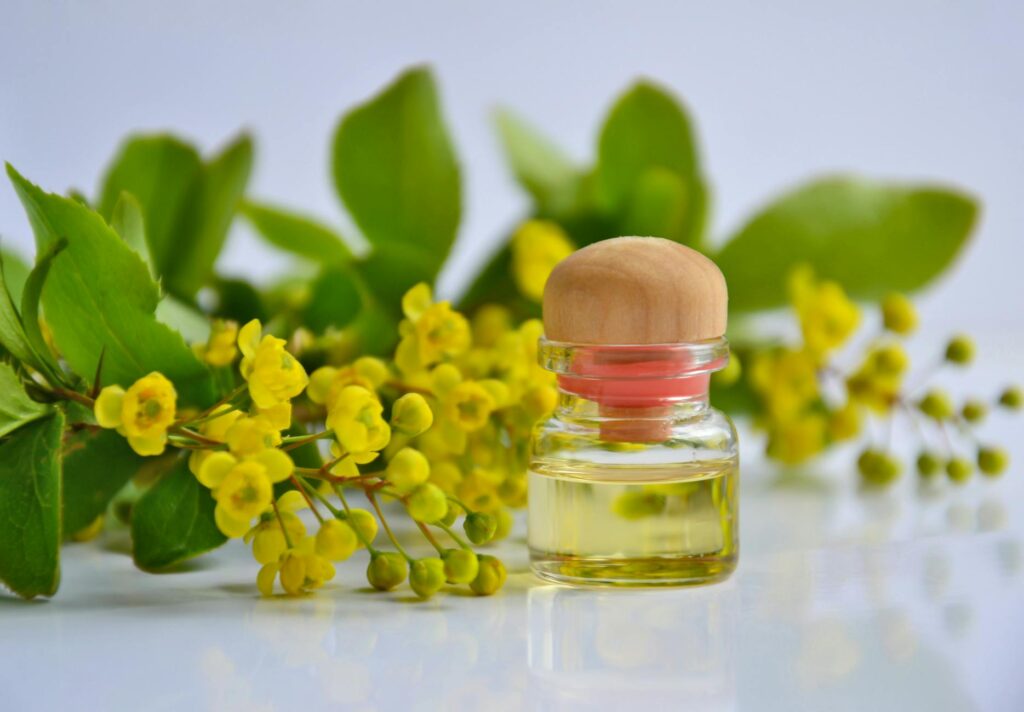
Complete Guide to Sandalwood Oil Part 1
Introduction
Sandalwood oil, derived from the wood of the Santalum album tree, is a prized essential oil known for its rich aroma and numerous applications. Esteemed in many cultures for its spiritual significance and therapeutic benefits, sandalwood oil has been a staple in the world of aromatherapy, perfumery, and traditional medicine for centuries. This guide aims to provide a comprehensive overview of sandalwood oil, exploring its properties, benefits, common uses, and more.
What Is Sandalwood Oil?
Sandalwood oil is an essential oil extracted from the heartwood of the sandalwood tree, primarily found in India, Australia, and several South Asian countries. The extraction process typically involves steam distillation, allowing for the retention of the oil’s aromatic compounds. Sandalwood oil has a warm, creamy, and woody scent, often described as grounding and calming.
The primary species used for oil production are Santalum album, which is native to India, and Santalum spicatum, found in Australia. The oil is highly sought after in the fragrance industry, as well as in traditional practices, due to its unique aroma and properties.
Key Benefits and Properties
Sandalwood oil is known for various beneficial properties, which have contributed to its longstanding popularity:
- Anti-inflammatory: Sandalwood oil possesses anti-inflammatory properties that may help to soothe irritated skin and reduce redness.
- Antiseptic and Antimicrobial: The oil has been recognized for its antiseptic qualities, making it useful for minor cuts and abrasions.
- Relaxation and Stress Relief: The calming aroma of sandalwood oil is often used in meditation and relaxation practices, as it may help reduce feelings of anxiety and promote emotional balance.
- Skin Care: Rich in antioxidants, sandalwood oil is often included in skincare products for its hydrating and rejuvenating properties.
- Aphrodisiac: Traditionally, sandalwood oil has been regarded as an aphrodisiac, believed to enhance sensuality and intimacy.
- Spiritual and Ritualistic Uses: In many cultures, sandalwood is considered sacred and is often used in religious rituals, meditation, and yoga practices.
- Diffusion: Add a few drops of sandalwood oil to a diffuser to create a serene atmosphere. This practice is especially beneficial during meditation or yoga sessions.
- Topical Application: Dilute sandalwood oil with a carrier oil, such as jojoba or coconut oil, for topical use. This method can help with relaxation during massages or as part of a skincare routine.
- Bath: Incorporating sandalwood oil into a warm bath can provide a soothing experience. Combine several drops with a carrier oil and mix it into the bathwater.
- Inhalation: Inhale sandalwood oil directly from the bottle or from a tissue to experience its calming effects, especially during moments of stress.
- Dilution: Always dilute sandalwood oil with a carrier oil when applying it to the skin to avoid irritation. A general ratio is 2-3 drops of essential oil to 1 teaspoon of carrier oil.
- Patch Test: Conduct a patch test before using sandalwood oil topically. Apply a small amount to the inner wrist and wait for 24 hours to check for any adverse reactions.
- Pregnancy and Nursing: Pregnant or nursing individuals should consult with a healthcare professional before using sandalwood oil.
- Allergies: Individuals with allergies to sandalwood or related species should avoid using sandalwood oil.
- Children and Pets: Exercise caution when using essential oils around children and pets. Always consult guidelines specific to their use.
- Container: Store sandalwood oil in a dark, glass container to protect it from light exposure, which can degrade the oil.
- Location: Keep the bottle in a cool, dry place away from direct sunlight and heat sources.
- Shelf Life: When stored properly, sandalwood oil can last for 3 to 5 years. However, always check for changes in aroma or consistency before use.
Common Uses
Sandalwood oil is versatile and can be utilized in various applications:
1. Aromatherapy: Sandalwood oil is widely used in diffusers and personal inhalers to promote a calming environment.
2. Skincare: It can be added to lotions, creams, and serums to enhance hydration and improve skin texture.
3. Massage Oil: When diluted with a carrier oil, sandalwood oil makes an excellent massage oil, providing relaxation and relief to sore muscles.
4. Perfume: Sandalwood is a popular base note in perfumery, lending depth and warmth to fragrance blends.
5. Incense and Candles: Its rich scent is often used in incense sticks and candles, enhancing the ambiance of a space.
Aromatherapy Applications
In aromatherapy, sandalwood oil is valued for its grounding and centering effects. It can be used in various ways:
Safety Considerations
While sandalwood oil is generally considered safe for topical and aromatic use, some precautions should be observed:
Storage and Shelf Life
To maintain the quality and longevity of sandalwood oil, proper storage is essential:
Frequently Asked Questions
1. How is sandalwood oil extracted?
Sandalwood oil is primarily extracted through steam distillation from the heartwood of the sandalwood tree. The process involves steaming the wood to vaporize the essential oil, which is then condensed back into liquid form.
2. Can sandalwood oil be used for all skin types?
Sandalwood oil is generally suitable for most skin types, including oily, dry, and sensitive skin. However, performing a patch test is recommended to ensure compatibility with individual skin sensitivities.
3. Is sandalwood oil safe for children?
While sandalwood oil can be used around children, it should be heavily diluted and used with caution. Consulting specific guidelines or a healthcare professional is advisable.
4. What are the differences between Indian and Australian sandalwood oils?
Indian sandalwood oil (Santalum album) is typically considered more aromatic and valuable due to its rich history and traditional use. Australian sandalwood oil (Santalum spicatum) has a different scent profile and is often more affordable but may vary in properties.
5. Can sandalwood oil be ingested?
Sandalwood oil is primarily meant for topical or aromatic use and is not recommended for ingestion unless under the guidance of a qualified professional.
—
In this first part of the complete guide to sandalwood oil, we have explored its origins, benefits, and applications. Stay tuned for the next installment, where we will delve deeper into more specific uses, blending techniques, and the oil’s impact on mental and emotional well-being.