
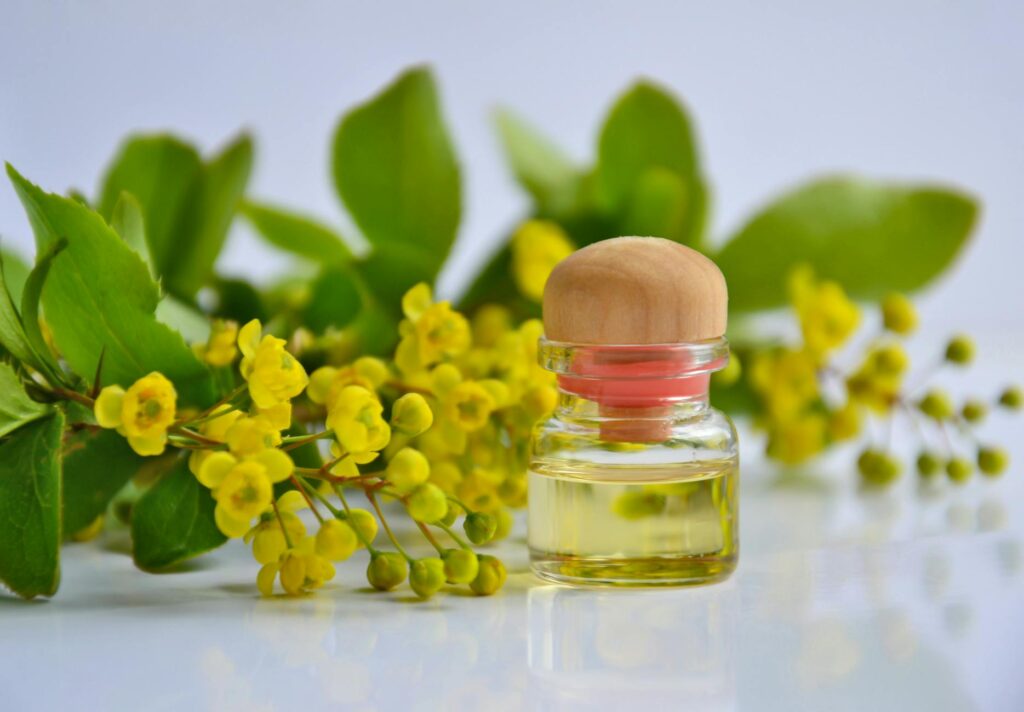
Complete Guide to Sandalwood Oil Safety
Introduction
Sandalwood oil, derived from the wood of the Santalum album tree, has been cherished for centuries for its rich aroma and various applications in perfumery, cosmetics, and traditional medicine. Known for its calming and grounding properties, sandalwood oil has become increasingly popular in the world of aromatherapy. However, like all essential oils, it is essential to understand sandalwood oil safety to maximize its benefits while minimizing any potential risks. This guide aims to provide comprehensive information on sandalwood oil, including its benefits, uses, and safety considerations.
What Is Sandalwood Oil Safety?
Sandalwood oil safety encompasses the practices and knowledge required to use this essential oil responsibly. It involves understanding the oil’s composition, potential risks, and proper usage guidelines to ensure that it is used effectively and without adverse effects. As with any essential oil, sandalwood oil can cause reactions in some individuals, making it crucial to approach its use with care and mindfulness.
Key Benefits and Properties
Sandalwood oil is renowned for several beneficial properties, which contribute to its widespread use in aromatherapy and alternative healing practices. Some of these key benefits include:
1. Calming Effects: Sandalwood oil is often used to promote relaxation and reduce anxiety. Its warm, woody scent can help create a tranquil atmosphere, making it a popular choice for meditation and stress relief.
2. Anti-Inflammatory Properties: Some studies suggest that sandalwood oil may possess anti-inflammatory effects, making it a potential ally for soothing irritated skin and promoting healing.
3. Antiseptic Qualities: Sandalwood oil may help inhibit the growth of certain bacteria and fungi, which has led to its inclusion in various skin care products.
4. Aphrodisiac Effects: Traditionally, sandalwood has been regarded as an aphrodisiac, often used to enhance intimacy and emotional connection.
5. Skin Benefits: Its moisturizing properties make sandalwood oil suitable for various skin types, particularly for dry or sensitive skin.
Common Uses
Sandalwood oil can be utilized in numerous ways, reflecting its versatility. Some common applications include:
- Aromatherapy: Used in diffusers or inhaled directly, sandalwood oil can help create a serene environment.
- Topical Applications: It can be diluted with a carrier oil and applied to the skin for its soothing effects.
- Skincare Products: Sandalwood oil is frequently included in lotions, creams, and soaps for its fragrance and skin benefits.
- Massage Oils: Its aromatic and relaxing properties make it a popular choice for massage blends.
- Incense and Perfumes: Sandalwood oil is a staple in the fragrance industry, often used in incense and perfumes for its distinctive scent.
- Diffusion: Adding a few drops of sandalwood oil to an essential oil diffuser can help purify the air and create a calming atmosphere.
- Inhalation: Direct inhalation can be achieved by placing a drop of sandalwood oil on a tissue or cotton ball and breathing in deeply.
- Bathing: Adding a few drops of sandalwood oil to bathwater can enhance relaxation and provide skin benefits.
- Storage Conditions: Store sandalwood oil in a cool, dark place, away from direct sunlight and heat. A cabinet or drawer is ideal.
- Container: Keep the oil in its original glass container, as essential oils can interact with plastic and degrade over time.
- Shelf Life: Sandalwood oil typically has a shelf life of 2-3 years when stored correctly. Always check for any changes in color, smell, or consistency before use.
Aromatherapy Applications
In the realm of aromatherapy, sandalwood oil is favored for its grounding and centering effects. Its warm, woody aroma can help create a peaceful environment conducive to relaxation and mindfulness practices. Some popular methods of using sandalwood oil in aromatherapy include:
Safety Considerations
While sandalwood oil is generally regarded as safe for most individuals, certain precautions should be observed to ensure its safe use:
1. Allergic Reactions: Conduct a patch test before using sandalwood oil topically. Apply a diluted amount on a small area of skin and wait 24 hours to check for any allergic reactions or sensitivity.
2. Pregnancy and Nursing: Pregnant and nursing women should consult a healthcare professional before using sandalwood oil, as the effects during these periods are not well-studied.
3. Dilution: Always dilute sandalwood oil with a carrier oil, such as jojoba or coconut oil, before applying it to the skin. A common dilution ratio is 1-2 drops of essential oil per teaspoon of carrier oil.
4. Medical Conditions: Individuals with pre-existing medical conditions or those taking medications should consult a healthcare provider before using sandalwood oil, particularly for therapeutic purposes.
5. Child Safety: Keep sandalwood oil out of reach of children. Consult a qualified aromatherapist or healthcare provider for advice on using essential oils with children.
6. Quality of the Oil: Ensure you are using high-quality, pure sandalwood oil from a reputable source. Adulterated or synthetic oils may pose additional risks.
Storage and Shelf Life
Proper storage of sandalwood oil is essential to maintain its potency and efficacy. Here are some guidelines:
Frequently Asked Questions
1. Can sandalwood oil be ingested?
Ingesting essential oils is not recommended without consulting a qualified healthcare provider. Sandalwood oil is primarily intended for external use and aromatherapy.
2. Is sandalwood oil safe for sensitive skin?
While sandalwood oil is generally well-tolerated, individuals with sensitive skin should perform a patch test before using it topically. Dilution with a carrier oil is essential to minimize the risk of irritation.
3. What should I do if I experience an allergic reaction?
If you experience any allergic reaction, such as redness, itching, or swelling, discontinue use immediately and consult a healthcare professional if necessary.
4. Can I use sandalwood oil for pets?
Consult a veterinarian before using essential oils, including sandalwood oil, around pets. Some essential oils can be harmful to animals.
5. How can I incorporate sandalwood oil into my daily routine?
Sandalwood oil can be incorporated into your daily routine through aromatherapy, skincare, or as a relaxing addition to your bath. Always ensure safe usage by adhering to dilution guidelines.
Conclusion
Sandalwood oil is a valuable addition to the realm of essential oils, offering a range of benefits and applications. Understanding sandalwood oil safety is crucial for maximizing its advantages while minimizing potential risks. By following guidelines for safe usage, storage, and application, individuals can enjoy the calming and grounding effects of this cherished essential oil. Whether used in aromatherapy, skincare, or personal wellness routines, sandalwood oil can enhance your overall well-being when used responsibly.